
Types of Metal For Jewelry Making (Beginner Guide)
Jewelry metals are not all the same. Some are chosen because they are strong. Some are chosen because they look beautiful. Others are used because they keep the price more affordable.
1. Gold

Gold is one of the most popular metals in jewelry. It is known for its warm color, high value, and long history in fine jewelry.
Pure gold is called 24K gold. This means it is 100% gold. But pure gold is very soft, so it is not the best choice for most jewelry you wear every day.
To make gold stronger, jewelers mix it with other metals like copper, silver, or zinc. This creates different types of gold:
- 18K gold is 75% gold.
- 14K gold is 58.3% gold.
- 10K gold is 41.7% gold.
You can often find a stamp on the jewelry, such as “14K” or “18K”. This stamp can help you tell what type of gold the piece is made from.
Gold can come in yellow, white, or rose tones. The color depends on the metals mixed with it. Gold also does not tarnish easily, which is one reason people like it for rings, necklaces, bracelets, and earrings.
The main downside is the price. Gold is more expensive than many other jewelry metals because its value is tied to the global gold market.
Related read:
- How Fast Does 10K Gold Tarnish?
- How to Keep Gold Plated Jewelry from Tarnishing
- How to Keep Gold Filled Jewelry from Tarnishing
- How Much Is Gold Plating? A Complete Cost & Value Breakdown
- How Much Is a Gold Plated Chain? Everything You Need to Know
2. Silver

Sterling silver is a popular choice for beautiful jewelry at a lower price. It is made from 92.5% silver and 7.5% other metals, usually copper. This mix makes the silver stronger, since pure silver is too soft for many jewelry pieces.
You can often spot sterling silver by looking for a stamp like “925” or “Sterling”.
Silver has a bright, cool shine. It works well for detailed designs, such as filigree earrings, charm bracelets, rings, and pendant necklaces.
The main downside is that silver can tarnish. This happens when it is exposed to air, moisture, or certain chemicals. The good news is that tarnish can usually be cleaned with a simple polish.
Related read:
- How Much Is 925 Sterling Silver Worth?
- How Much Is Silver Jewelry? A Complete Price Guide
- How to Prevent Silver Plated Jewelry from Tarnishing
- How to Clean Fake Silver Jewelry (A Step-by-Step Guide)
- What are the Best Ways to Clean Tarnished Silver Jewelry?
- How to Tell if Silver Jewelry is Fake (Complete Guide)
3. Platinum

Platinum is a rare and valuable precious metal. It is heavier and usually more expensive than gold. Most platinum jewelry is very pure, often around 95% platinum. You may see stamps like “Plat” or “950”.
Platinum has a cool, silvery-white color. It does not tarnish, and it holds up well over time. It is also a good choice for sensitive skin because it is usually hypoallergenic.
Because it is strong and long-lasting, platinum is often used for engagement rings and wedding bands.
The main downside is the cost. Platinum is also heavier than many other metals, so some people may not like the feel of it for daily wear.
4. Palladium
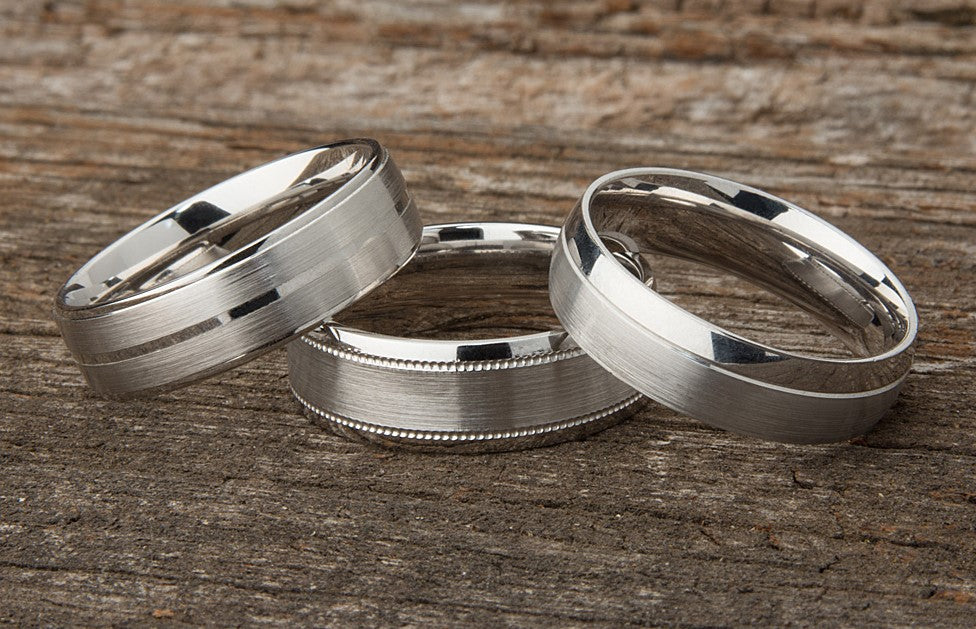
Palladium is part of the platinum metal family. It looks similar to platinum but is usually lighter. It has a bright white color and does not tarnish easily. It is also often a good choice for sensitive skin. You may see palladium jewelry marked with stamps like “Pd” or “950 Pd”.
Palladium is often used in wedding bands and simple jewelry designs. It gives a clean, white-metal look without the same weight as platinum.
The downside is that palladium is not as common as gold or silver, so it may be harder to find in some jewelry stores.
5. Titanium
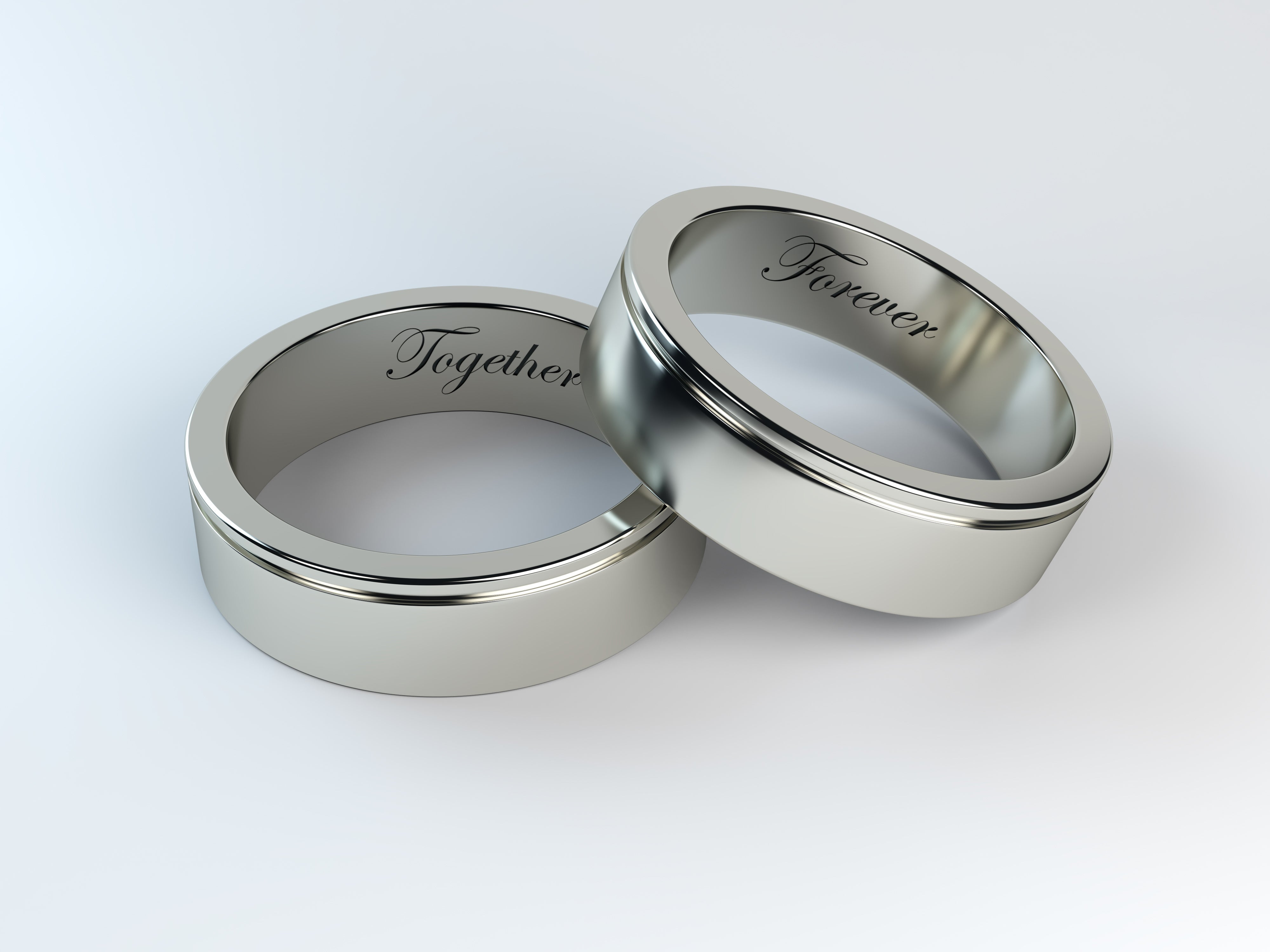
Titanium is a strong, light metal often used in modern jewelry. It is known for being very durable, but it does not feel heavy. It also resists rust and corrosion, which makes it good for daily wear.
Titanium usually has a gray tone, but it can also be treated to show colors like blue, black, or purple. You may see titanium jewelry marked as “Ti” or “Titanium”.
It is also a good choice for sensitive skin because it is usually hypoallergenic.
The main downside is that titanium is harder to shape than softer metals. Because of that, it is often used for simple rings, bands, and clean modern designs.
Related read:
6. Stainless Steel

Stainless steel is a common metal in modern jewelry. It is made from iron, chromium, and sometimes nickel. It is strong, affordable, and resistant to rust.
You may see it marked as “SS” or “316L”. The “316L” type is often used for jewelry and body jewelry because it is more resistant to corrosion.
Stainless steel is popular for men’s jewelry, watches, rings, chains, and trend-led pieces. It is not a precious metal like gold or platinum, but it is easy to care for and usually costs much less.
The main thing to check is nickel. Some stainless steel contains nickel, which may bother sensitive skin.
Related read:
7. Base Metals
Base metals include copper, brass, and bronze. Copper has a warm reddish color. Brass is made from copper and zinc. Bronze is made from copper and tin.
These metals are often used in fashion jewelry and costume jewelry because they are affordable and easy to shape.
The downside is that they can tarnish. Copper can also leave a green mark on the skin for some people.
Many base metal pieces are plated with gold, silver, or rhodium to make them look more polished. But the plating can wear off over time, especially with daily use, sweat, water, and rubbing.
At glance
| Metal | Key Properties | Best For |
|---|---|---|
| Gold | Warm tone, tarnish-resistant, value tied to gold market | Fine & everyday jewelry |
| Sterling Silver | Bright shine, affordable, can tarnish | Fashion & everyday pieces |
| Platinum | Rare, heavy, hypoallergenic, doesn't tarnish | Engagement rings, luxury |
| Palladium | Lighter than platinum, white, hypoallergenic | Wedding bands, clean designs |
| Titanium | Lightweight, very strong, hypoallergenic | Modern rings, daily wear |
| Stainless Steel | Affordable, rust-resistant, check for nickel | Men's jewelry, trend pieces |
| Copper | Warm reddish tone, may stain skin green | Artisan & fashion jewelry |
| Brass | Gold-like look, affordable, may tarnish | Costume & fashion jewelry |
| Bronze | Copper + tin, affordable, may tarnish | Fashion & artisan jewelry |
Why Metal Matters
The metal in your jewelry affects more than how it looks. It can change how the piece feels, how long it lasts, how much it costs, and whether it irritates your skin.
Gold and platinum are precious metals, so they have material value. This is why people often choose them for wedding rings, milestone gifts, or pieces they want to keep for many years.
Strength also matters. Titanium is very strong and can handle daily wear well. Silver is beautiful, but it is softer and can scratch or bend more easily.
Skin sensitivity is another thing to think about. Some metals contain nickel, which can cause itching, redness, or irritation. This can happen with some stainless steel or white gold pieces. If your skin is sensitive, platinum, titanium, and nickel-free metals are usually safer choices.
Metal can also affect the feeling of the piece. Gold may feel classic and special. Stainless steel may feel simple, strong, and practical.
So when you choose jewelry, do not look at the design only. Check the metal too. It tells you a lot about comfort, cost, and how the piece may wear over time.
Related video
How to Identify the Metal in Your Jewelry
If you have a piece of jewelry and want to know what it is made of, start with a few simple checks.
Check for Stamps
Many jewelry pieces have a small stamp that shows the metal type.
Look inside rings, under clasps, or near the ends of chains. Common stamps include:
- 14K or 18K for gold
- 925 for sterling silver
- Plat or 950 for platinum
- SS for stainless steel
If there is no stamp, the piece may be costume jewelry, plated jewelry, or an unmarked metal mix.
Look at the Color
The color can give you a clue.
- Yellow or rose tones may point to gold or copper-based metals.
- Bright white metal may be silver, platinum, palladium, or white gold.
- Gray metal may be titanium or stainless steel.
Color alone is not enough, but it can help you narrow it down.
Feel the Weight
Hold the piece in your hand.
Platinum usually feels the heaviest. Gold can also feel heavy. Titanium and stainless steel are usually lighter. Brass and other base metals can sometimes feel heavy too, so this test is not perfect.
Try a Magnet Test
Gold, silver, platinum, and palladium are not magnetic. If a magnet sticks to the jewelry, it may be steel, iron, or a plated base metal.
But this test is not foolproof. Some stainless steel is not magnetic, so use this as only one clue.
Check for Tarnish
Tarnish can also tell you something.
- Sterling silver may turn dark over time.
- Copper and brass may turn darker or leave a green mark on the skin.
- Gold, platinum, titanium, and stainless steel usually resist tarnish better.
Leave Acid Testing to a Jeweler
Some jewelers use acid testing to check metal. This test can show whether a piece is gold, silver, or a base metal. But it can also leave a mark because the jeweler may need to scratch the piece first. For that reason, it is better to let a professional do it.
Check the Product Details
If the piece came from a brand or store, look up the product page. The material details may tell you exactly what it is made from.
For vintage, inherited, or unmarked jewelry, take it to a jeweler or appraiser. They can check it more safely and give you a clearer answer.
Cultural and Market Trends
Jewelry metal choices can change by place, culture, and time.
In India, 22K gold is very popular because it has high gold content and is often seen as a store of value. In many Western markets, platinum and white gold are common choices for engagement rings and wedding jewelry. They give a clean, modern white-metal look.
Stainless steel and titanium have also become more popular. They are strong, simple, and often used in casual or unisex jewelry.
Sustainability is becoming more important too. Many shoppers now look for recycled metals, ethical gold, or lab-grown stones when buying jewelry.
Practical Tips for Buyers
- Gold and platinum usually cost more. Silver, stainless steel, and titanium are usually more affordable.
- If you are active or wear jewelry every day, titanium or stainless steel may be better than softer metals like silver.
- Silver can tarnish and may need polishing. Stainless steel is easier to care for and needs less upkeep.
- Buy from trusted sellers. For gold, platinum, diamonds, or other high-value pieces, ask for clear material details, stamps, or certificates.
FAQ
What metal is best for jewelry?
Gold, platinum, and sterling silver are the most common good choices. For daily wear, 14K gold, platinum, titanium, and stainless steel are strong options.
What are the 9 precious metals?
The main precious metals are gold, silver, platinum, palladium, rhodium, ruthenium, iridium, osmium, and rhenium.
What is poor man's silver?
“Poor man’s silver” usually refers to nickel silver. It looks like silver, but it does not contain real silver. It is often made from copper, nickel, and zinc.
What is the healthiest metal to wear?
Titanium, platinum, and high-quality surgical stainless steel are often good choices for sensitive skin. They are less likely to cause irritation.
Where to buy metal for jewelry making?
You can buy jewelry-making metal from craft stores, jewelry supply shops, metal suppliers, and online marketplaces. Look for clear material details before buying.
What are rare types of metal for jewelry?
Rare jewelry metals include platinum, palladium, rhodium, tantalum, niobium, and iridium. Some are expensive or hard to work with, so they are less common.
What are the best metals for jewelry that don't tarnish?
Platinum, titanium, stainless steel, palladium, and solid gold resist tarnish well. Sterling silver can tarnish, but it can usually be polished clean.
Infographic









Leave a comment