
Waterproof Jewelry: What I’d Wear in the Water, and What I’d Probably Take Off
I used to hear “waterproof jewelry” and think, great, I can wear it everywhere.
Pool. Shower. Beach. Gym. Vacation. Done.
But after wearing different pieces around water, I don’t think it’s that simple. Some jewelry can handle water just fine. Some can handle a little water, but I wouldn’t push it. And some pieces, honestly, I just wouldn’t risk.
You probably know the feeling. You’re getting ready for a beach day, already in your swimsuit, sunscreen everywhere, and then you look down at your rings or necklace and think, wait, should I take this off?
I’ve had that moment so many times.
So this is how I think about it now. Not as a strict rulebook. More like, here’s what I’d wear, here’s what I’d skip, and here’s what I’ve learned after realizing water and jewelry are not always the easiest match.
First, “waterproof” can be a little misleading

When jewelry brands say waterproof, I don’t take that to mean the piece is invincible.
Most of the time, I think water-resistant is the better way to look at it. Meaning, it can probably handle handwashing, sweat, rain, maybe a quick swim. But daily showers? Hot tubs? Ocean water every weekend? That’s a different thing.
The material matters a lot. So does the design.
A plain solid gold ring is pretty low-maintenance. A gold-plated necklace with a tiny pearl charm? I’d be much more careful. Same with anything that has glue, little stones, thin chains, or a finish that could wear down.
My personal rule is pretty boring, but it saves me stress:
If I’d be really sad to lose it or ruin it, I don’t wear it in the water.
That includes sentimental jewelry. Even if the metal can technically handle water, I still don’t love swimming with something I’d be upset about losing.
I check the material first

Before I decide whether to wear something in the pool or shower, I try to figure out what it’s made of.
Sometimes there’s a tiny stamp on it. Look inside a ring, near a clasp, or on an earring post. You might see:
- 14k
- 18k
- 925
- PT950
- Titanium
- Stainless steel
Here’s how I’d read those.
14k gold is usually a good everyday choice. It has enough gold to hold up nicely, but it’s mixed with other metals, so it’s stronger than softer gold. I’d usually feel okay wearing a plain 14k piece around water here and there.
18k gold has more gold in it. It can be beautiful, and it usually resists tarnish well, but it can scratch more easily than 14k. So I’d wear it, but I wouldn’t be careless with it.
24k gold is pure gold. It doesn’t tarnish much, but it’s soft. I wouldn’t choose it for swimming or anything active.
925 means sterling silver. I love silver, but I don’t treat it like water jewelry. It can tarnish fast, especially with chlorine, salt, and humidity.
PT950 usually means platinum. Platinum tends to handle water well, especially in a simple ring.
Titanium is one of those materials I’d feel pretty good about for water. It’s light, sturdy, and easy to wear.
Stainless steel can be great too, especially 316L stainless steel. It’s usually affordable and doesn’t need much fuss.
If I can’t find a stamp, or I don’t know what the piece is made of, I usually take it off. Mystery metal and pool water? I don’t need that experiment.
| Material | Water-Safe? | Watch Out For |
|---|---|---|
| Solid 14k/18k Gold | ✅ Yes | Scratches on 18k |
| 24k Gold | ⚠️ Avoid | Too soft, bends easily |
| Gold-Plated | ❌ No | Plating wears off fast |
| Sterling Silver (925) | ❌ No | Tarnishes quickly |
| Platinum (PT950) | ✅ Yes | Minimal |
| Titanium | ✅ Yes | Minimal |
| 316L Stainless Steel | ✅ Yes | Lower-end quality varies |
| Pearls | ❌ No | Surface damage, dullness |
| Opal | ❌ No | Cracking, moisture damage |
| Turquoise | ❌ No | Color change, absorption |
| Emerald | ❌ No | Oil treatment washes out |
| Silicone | ✅ Yes | Minimal |
(Related article: Common types of metal for jewelry making)
What I’d wear in the pool

Pool water is where I start getting a little more careful because chlorine can be rough on jewelry.
One swim probably won’t destroy a solid gold ring. I wouldn’t panic about that. But wearing the same piece in chlorinated water all summer can make it look dull or worn faster.
For the pool, I’d feel pretty comfortable with:
- Solid gold bands
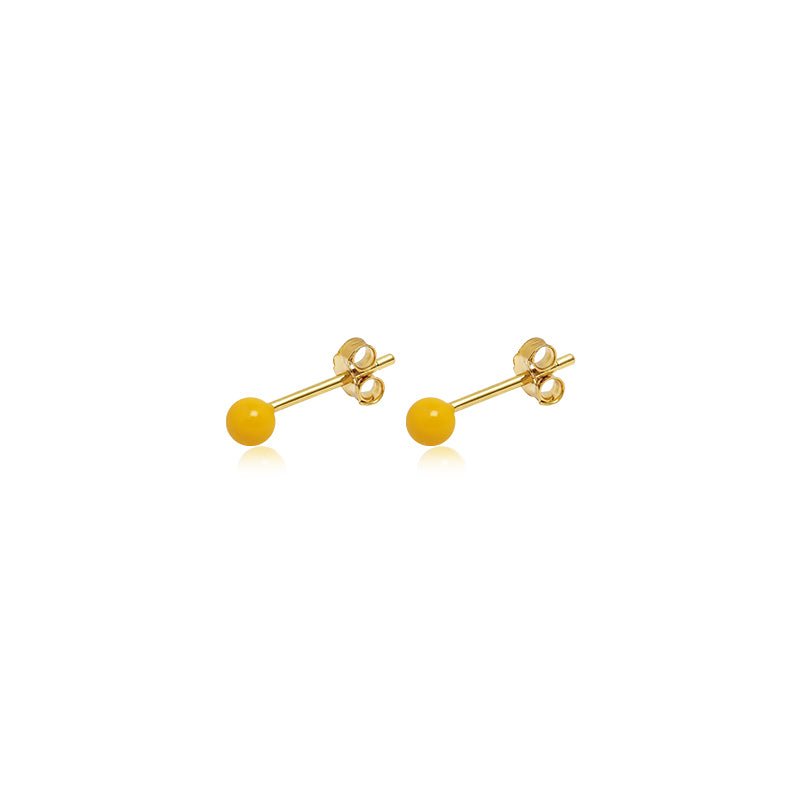
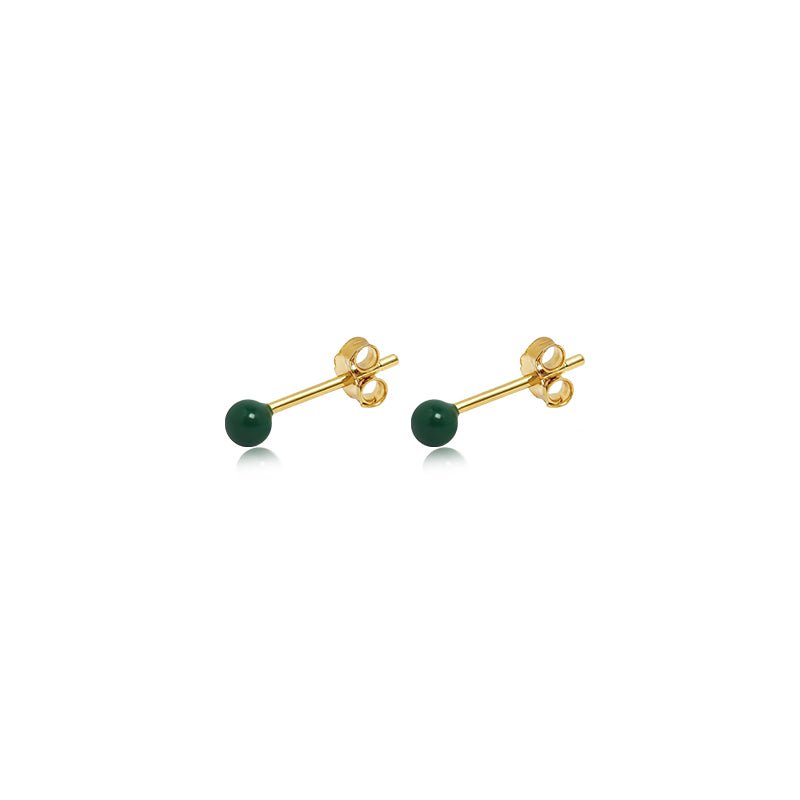
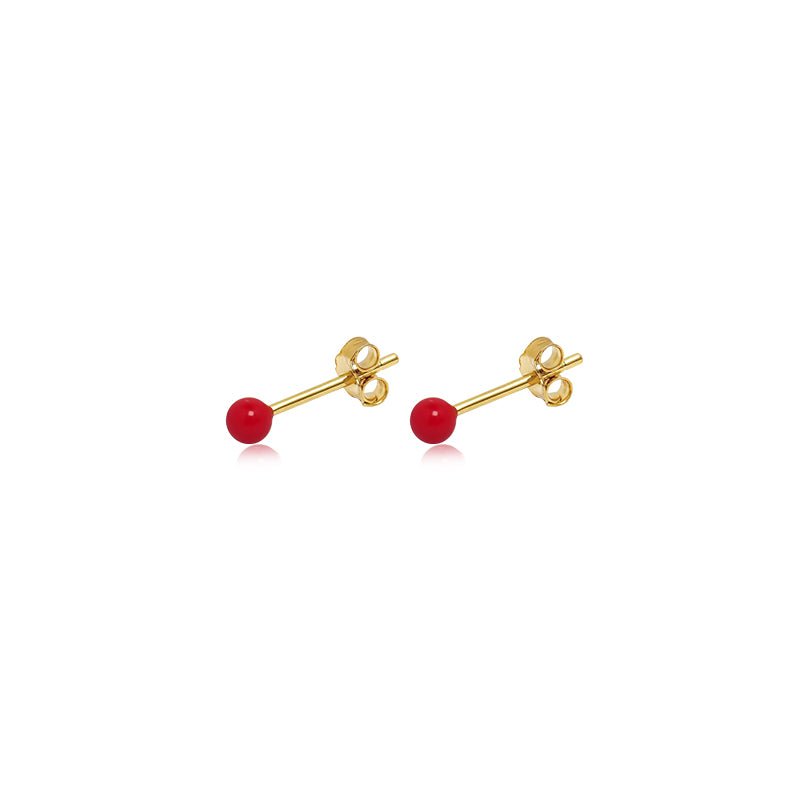
- Small solid gold studs
- Titanium rings or chains
- Platinum rings
- Stainless steel hoops
- Stainless steel chains
- Silicone rings
I’d be more careful with:
- Gold-plated pieces
- Sterling silver
- Pearls
- Opals
- Turquoise
- Very thin chains
- Anything with glued stones
- Tiny stone settings
Can you wear 14k gold in the pool? I would, but not all the time. A quick swim here and there feels fine to me. I’d rinse it after.
Can you wear 18k gold in the pool? Usually, yes. But I’d treat it a little more gently since it’s softer.
Would I wear 24k gold in the pool? Personally, no. It’s just too soft for that kind of wear.
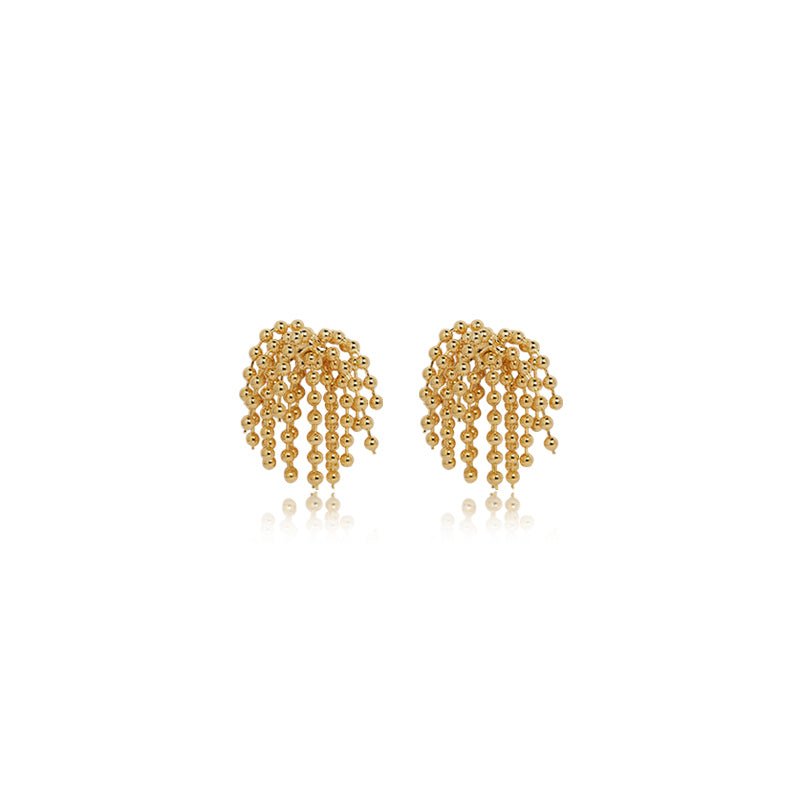
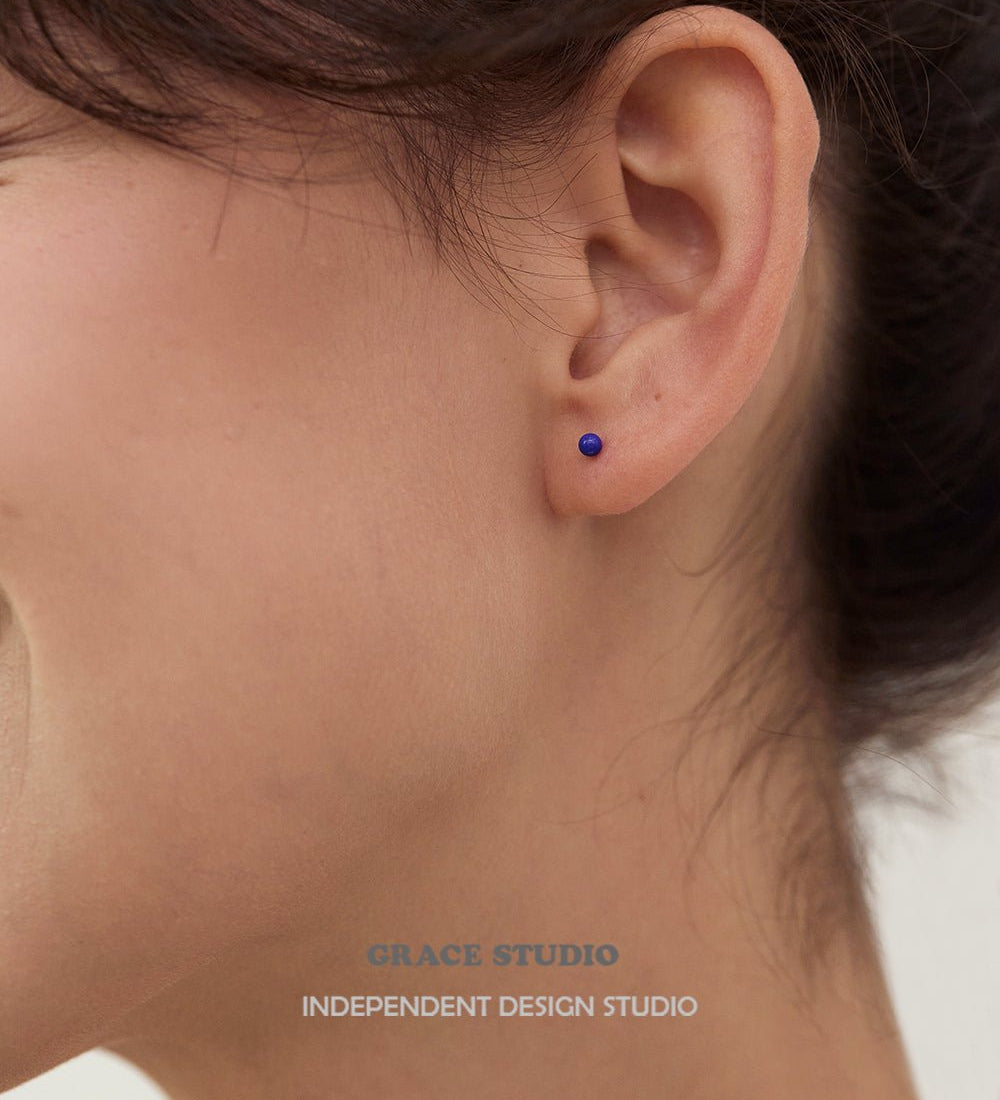
For earrings, I’d keep it small. Studs, tiny hoops, huggies. That kind of thing. Big earrings around towels, wet hair, sunscreen, and pool chairs just feels like asking for trouble.
(Related article: How to keep jewelry from tarnishing)
What I’d wear in the ocean

The ocean is a little different.
You’ve got salt, sand, sunscreen, waves, and sometimes cold water. All of that changes how jewelry behaves.
Salt can leave residue. Sand can scratch softer metals. Sunscreen can get stuck in chain links and ring settings. And waves, well, waves do not care about your jewelry.
For beach days, I’d usually choose:
- Titanium
- Platinum
- Solid gold
- Stainless steel
- Silicone
I’d skip:
- Sterling silver
- Pearls
- Opals
- Turquoise
- Gold-plated jewelry
- Antique rings
- Sentimental pieces
The biggest thing for me is fit.
If a ring feels even a tiny bit loose, I’m not wearing it into the ocean. Cold water can make your fingers shrink a little, and once a ring slips off in the waves, it’s probably gone.
I also wouldn’t wear layered necklaces to the beach. They tangle. They catch on swimsuits. They get sunscreen all over them. One simple chain is enough for me.
And even then, I’d rinse it later.
(Related article: How to store jewelry properly)
What I’d wear in the shower
This one is tricky because I know a lot of us like to keep our everyday jewelry on.
I get it. Taking off earrings, rings, bracelets, and necklaces every time you shower gets annoying.
But shower products build up. Shampoo, conditioner, body wash, face wash, shaving cream, all of it can leave a film on jewelry. You may not notice it right away, but after a while, a chain can start looking cloudy or sticky.
I’d feel okay showering sometimes with:
- Solid gold
- Platinum
- Titanium
- Stainless steel
I’d try to remove:
- Sterling silver
- Gold-plated jewelry
- Pearls
- Opals
- Turquoise
- Costume jewelry
- Anything glued
- Anything delicate
If you want a necklace you barely think about, I’d pick solid gold, titanium, or stainless steel. Not plated.
Gold-plated jewelry can look great at first. But water, soap, and rubbing from towels can wear down the thin gold layer. Once that starts to go, the base metal can show through.
I’ve learned to treat plated jewelry as “take it off before water” jewelry. Maybe it survives a few showers. Maybe it doesn’t. I’d rather not find out with a piece I really like.
| Water Type | Main Risk | Safest Choice |
|---|---|---|
| Swimming Pool | Chlorine dulls & weakens | Solid gold, titanium, silicone |
| Ocean | Salt, sand, cold = loose fit & scratches | Titanium, platinum, stainless steel |
| Shower | Soap/product buildup, plating wear | Solid gold, titanium |
| Hot Tub | High chlorine + heat accelerates damage | Remove all jewelry |
| Rain / Handwashing | Low risk, minor residue | Most solid metals fine |
Pieces I’d keep dry
Some jewelry just feels better as dry-land jewelry.
Sterling silver is one of them. A splash isn’t always a disaster, but I wouldn’t wear it swimming. It can tarnish quickly, and then you’re stuck cleaning it more often.
Pearls are another one. They’re delicate. Water, perfume, sunscreen, and soap can mess with the surface. I’d put them on after getting ready, not before.
Opals can be sensitive too. Temperature changes and moisture can cause problems, especially with older pieces.
Turquoise can change color around water, oils, and chemicals.
Emeralds can be a little fussy as well, especially because many are treated with oils. I wouldn’t wear them in the pool or ocean.
I’d also keep these dry:
- Gold-plated pieces
- Silver-plated pieces
- Glued stones
- Antique jewelry
- Very thin chains
- Painted enamel
- Leather cords
- Fabric cords
- Loose prongs
Basically, if it has a coating, glue, a soft stone, or a memory attached to it, I’d rather take it off.
Related video
Stainless steel is actually pretty useful
For water-friendly jewelry that doesn’t cost a lot, stainless steel can be a nice option.
It’s not fancy in the same way solid gold is, but it’s practical. It usually handles sweat, showers, and occasional swimming better than a lot of cheaper metals.
I’d look for 316L stainless steel if possible. That’s the kind I trust more for everyday wear.
Stainless steel is good for:
- Simple hoops
- Basic studs
- Travel necklaces
- Gym jewelry
- Beach jewelry
- Everyday chains
I wouldn’t expect every stainless steel piece to last forever, especially if it’s low quality. But for the price, it can be really helpful.
It’s the kind of jewelry I’d pack for vacation when I want to look put together but don’t want to babysit my accessories all day.
(Related article: Does stainless steel jewelry tarnish)
Solid gold is good, but I still care for it
Solid gold usually handles water better than many metals.
But “gold jewelry” can mean different things, and this is where people get mixed up.
Solid gold is different from gold-filled. Gold-filled is different from gold-plated. Gold-plated is very different from solid gold.
A solid 14k gold ring can usually handle occasional water exposure. A gold-plated ring may start fading if you wear it in the shower, pool, and ocean all the time.
For everyday jewelry, I usually like 14k gold. It’s sturdy enough for real life, and it still feels special.
18k gold is beautiful too. I’d just be a little more mindful with it.
For anything plated, I try to keep it dry. Not because it will fall apart the second it touches water, but because the finish usually lasts longer when you don’t push it.
(Related article: What's the difference between gold-plated and solid gold)
Earrings in the pool? Sometimes, yes
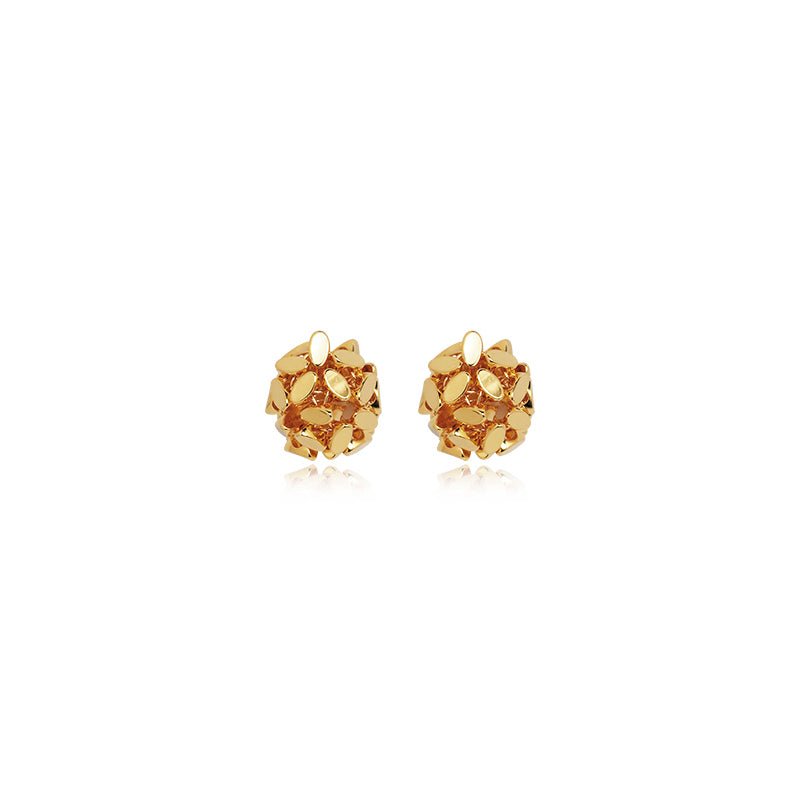
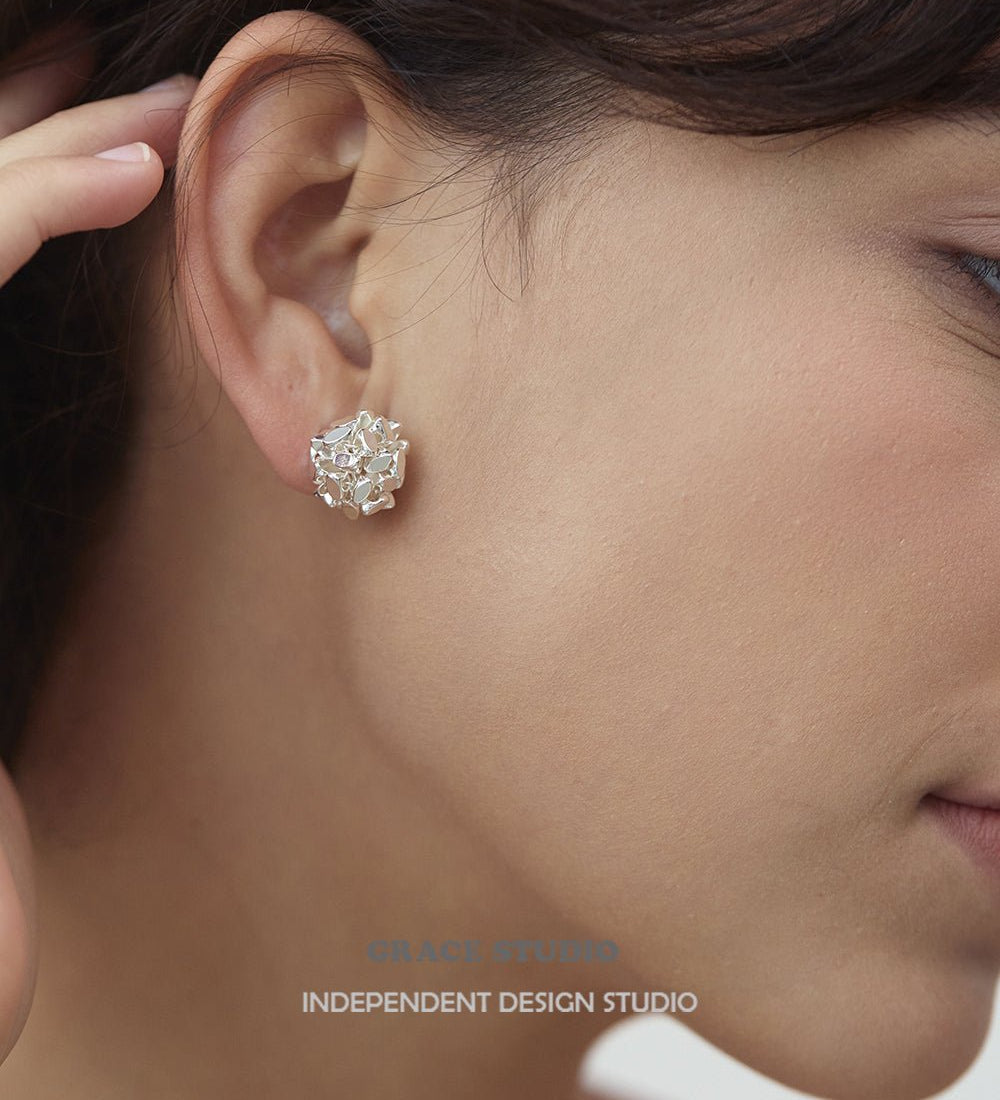
I’d wear earrings in the pool if they’re small and secure.
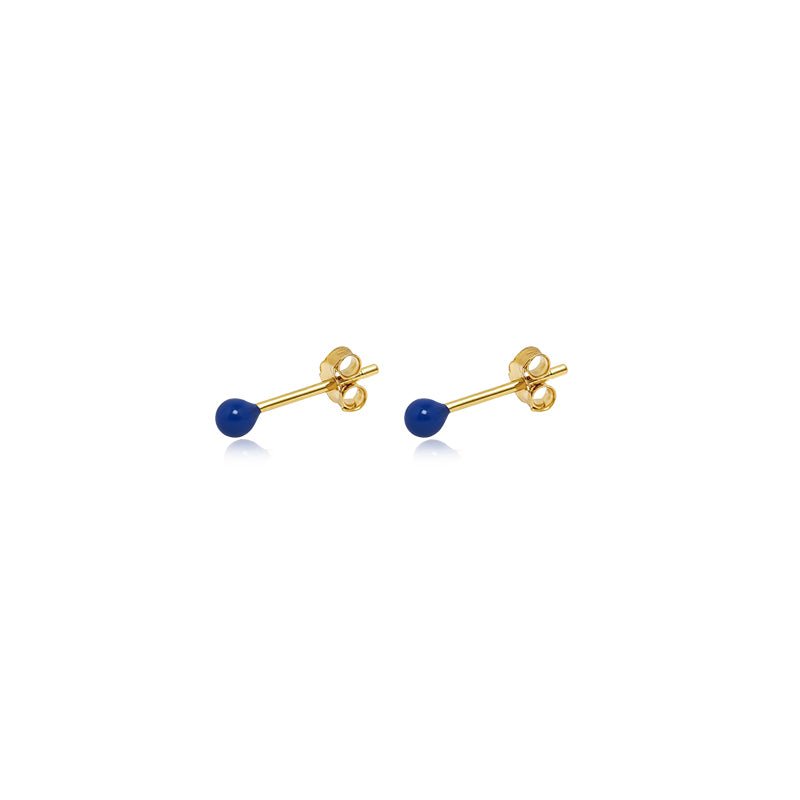
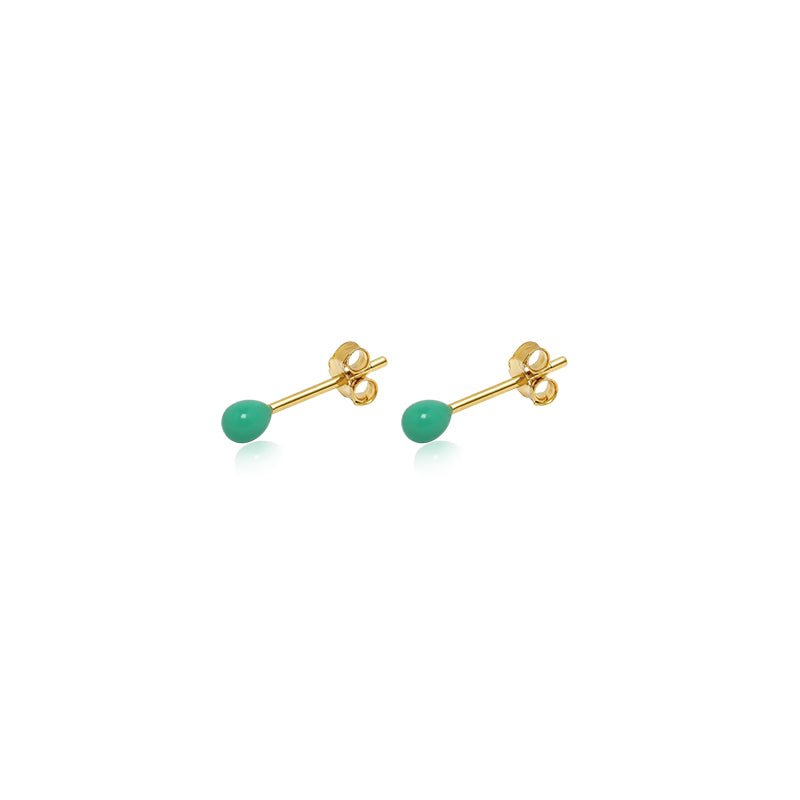
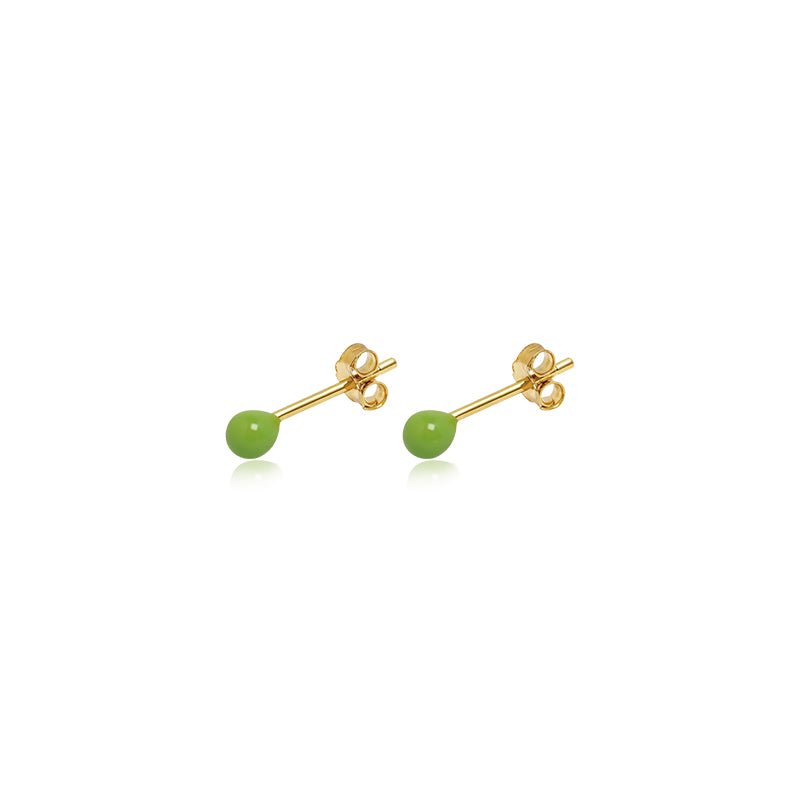
Small studs, tiny hoops, or huggies in solid gold, titanium, platinum, or stainless steel feel easiest to me.
I’d avoid heavy earrings. Same with long earrings. They can catch on towels, hair, goggles, swimsuits, all the little pool-day things.
Screw-back studs are nice because they feel more secure. Push backs can work too, but I’d check them before getting in.
After swimming, I’d rinse them and dry around the posts and backs.
That area can collect sunscreen and chlorine. Gross, but true.
Necklaces need more care than you think
Necklaces are a little sneaky because chains have so many small spaces.
Water can sit in the links. Sunscreen can build up. Soap can leave residue. And if the chain is thin, it can kink or snap more easily than you’d expect.
A simple chain in solid gold, titanium, or stainless steel can be okay around water. I’d still rinse it after swimming.
I’d avoid wearing necklaces with:
- Pearls
- Lockets
- Opals
- Glued charms
- Very thin chains
- Layered chains
- Sentimental pendants
For the beach, I’d do one plain chain. Maybe small hoops too. That’s enough.
Layered necklaces are cute, but at the beach they can become a tangled little mess by lunch.
Rings are the ones I worry about most
Rings are easy to wear in water, but they’re also easy to lose.
A snug plain band? Fine, usually.
A loose ring? No.
A sentimental ring? I’d take it off.
A ring with a raised stone? Depends, but I’d be careful.
Sunscreen makes rings slippery. Cold water can make your fingers smaller. Towels can tug at prongs. Sand can scratch softer metals.
Before I swim with a ring, I ask myself:
- Does it feel loose?
- Would I be upset if I lost it?
- Does it have tiny stones?
- Is it hard to replace?
- Does it catch on things?
If I pause for even a second, I take it off.
A silicone ring is honestly a great option for swimming, workouts, travel, or beach days. Not precious. Not stressful. Easy.
| Jewelry Type | Pool/Ocean OK? | Best Practice |
|---|---|---|
| Plain Band Ring | ✅ Usually | Check fit — cold shrinks fingers |
| Stone-Set Ring | ⚠️ Careful | Sand scratches, prongs can loosen |
| Small Studs / Huggies | ✅ Yes | Rinse posts & backs after |
| Long / Drop Earrings | ❌ Avoid | Catch on towels, hair, goggles |
| Simple Chain Necklace | ⚠️ Sometimes | Rinse links; avoid thin chains |
| Layered Necklaces | ❌ Avoid | Tangle, sunscreen buildup |
| Pearl / Opal Necklace | ❌ No | Keep completely dry |
| Silicone Ring | ✅ Yes | Best swim/gym option |
What I do after jewelry gets wet

I don’t do anything complicated. If I wear jewelry in water, I try to do this after:
- Rinse it with fresh water: Especially after the pool or ocean. This helps get off chlorine, salt, sunscreen, and soap.
- Pat it dry: I use a soft cloth and don’t rub too hard.
- Let it sit out for a bit: Especially chains, clasps, and rings with settings. Water can hide in tiny spaces.
- Store it separately: A pouch, a small jewelry box, even a little zip bag if I’m traveling.
- Check it later: Loose stones, weak clasps, color changes. That kind of thing.
It takes maybe two minutes. I’m not perfect about it every time, but when I do it, my jewelry stays nicer.
How I’d pack jewelry for a beach trip

I like to separate jewelry into two little groups before a trip.
Water-friendly pieces:
- Solid gold
- Titanium
- Platinum
- Stainless steel
- Silicone
Dry-only pieces:
- Sterling silver
- Pearls
- Opals
- Turquoise
- Gold-plated jewelry
- Antique jewelry
- Sentimental rings
- Delicate chains
For a beach or pool trip, I’d probably pack one pair of simple earrings, one chain, and one easy ring.
That’s usually enough.
The pieces I’d be sad about losing can stay home. Or at least stay in the room while we swim.
Can you wear a necklace all the time?
Maybe. It depends on the necklace.
A solid gold or titanium chain can usually handle daily wear pretty well. A plated necklace probably won’t last as long if you sleep in it, shower in it, work out in it, and swim in it.
Even with sturdy pieces, I like giving them a break sometimes. I’d take jewelry off for hot tubs, long showers, heavy workouts, and beach days if the piece feels delicate.
If you want an everyday necklace, I’d choose a simple chain with a strong clasp. Nothing too thin. Nothing with a fragile charm.
Because if you’re going to wear it all the time, it needs to fit your actual life.
My honest takeaway
I don’t think you need to take off every piece of jewelry every time you’re near water.
But I do think it helps to know what you’re wearing.
For water, I feel best about solid gold, platinum, titanium, stainless steel, and silicone, especially in simple designs.
I’m more cautious with sterling silver, pearls, opals, turquoise, plated jewelry, glued stones, and anything delicate.
And after pool water, ocean water, or a shower, I try to rinse and dry whatever I wore.
That’s really the whole thing. Choose the pieces that can handle your day, take off the ones that can’t, and don’t bring your most sentimental ring into the ocean. I’ve never regretted being a little careful with jewelry I love.
Infographic









Leave a comment