
Zirconia Jewelry Explained: What I’d Want to Know Before Buying It
If you’ve seen a ring, bracelet, or pair of earrings that looked close to diamond but cost much less, it may have been cubic zirconia.
Zirconia jewelry is usually made with cubic zirconia stones, often called CZ. These lab-created stones are cut for shine, then set into metals like sterling silver, stainless steel, gold vermeil, gold plating, or solid gold.
I think CZ makes the most sense when you want pretty jewelry without spending too much. A pair of CZ studs might cost around $20 to $50. A simple sterling silver CZ ring might be around $40 to $120. A similar diamond piece can cost hundreds or thousands.
That’s why I like zirconia jewelry for travel, events, trying a new style, or wearing something sparkly without worrying about it all day.
So, what is zirconia jewelry?
Zirconia jewelry is usually jewelry set with cubic zirconia stones.
Cubic zirconia, often shortened to CZ, is a lab-created crystal made from zirconium dioxide. Jewelers cut and polish it so it catches light in a way that can look close to diamond, especially if you’re not holding both stones side by side.
You’ll see CZ used in:
- Stud earrings
- Solitaire rings
- Tennis bracelets
- Pendant necklaces
- Eternity bands
- Cocktail rings
- Bridal jewelry
- Travel rings
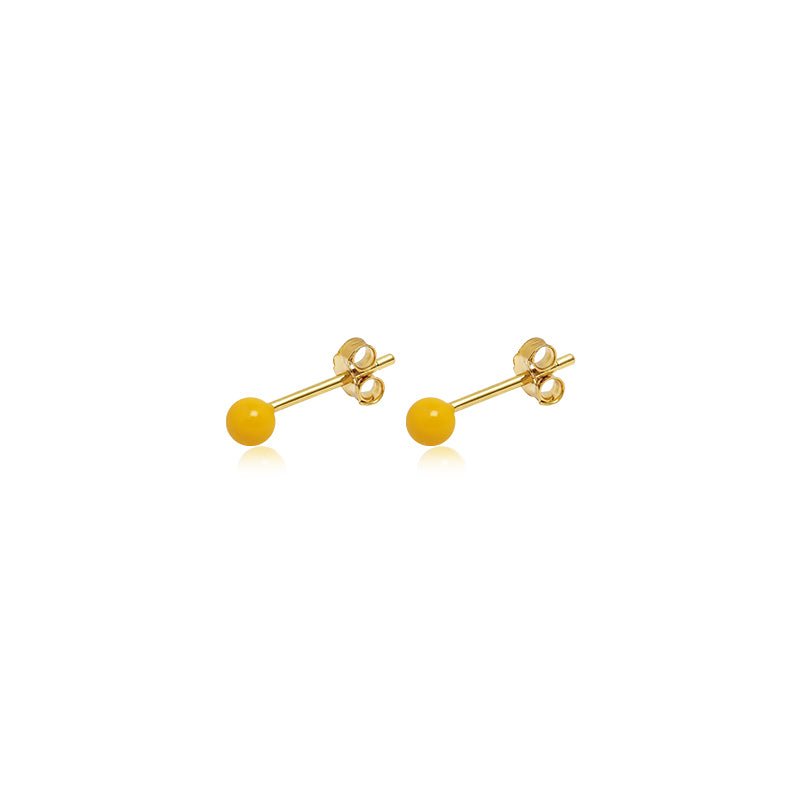
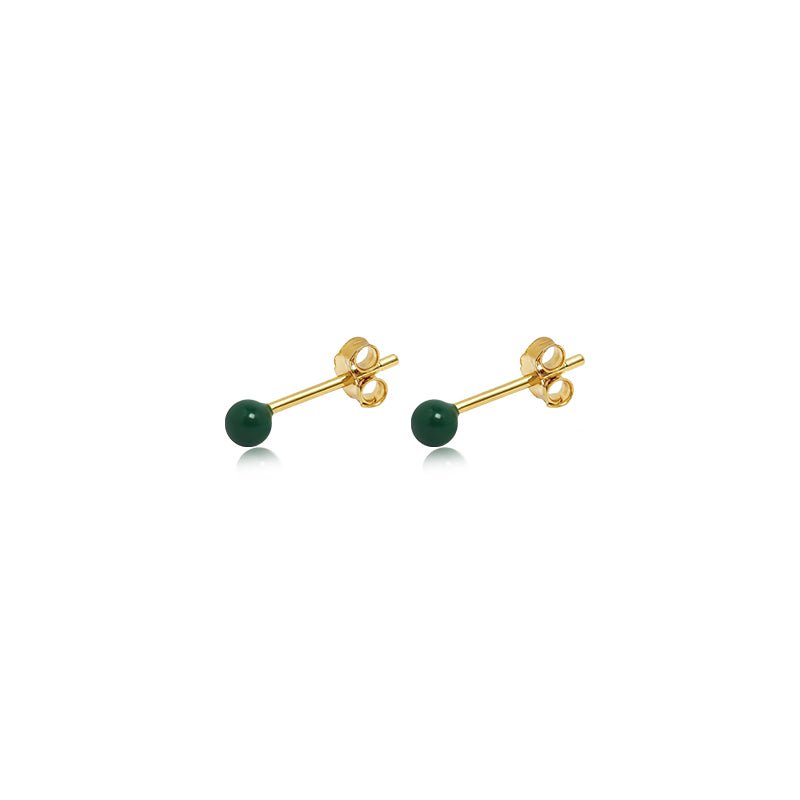
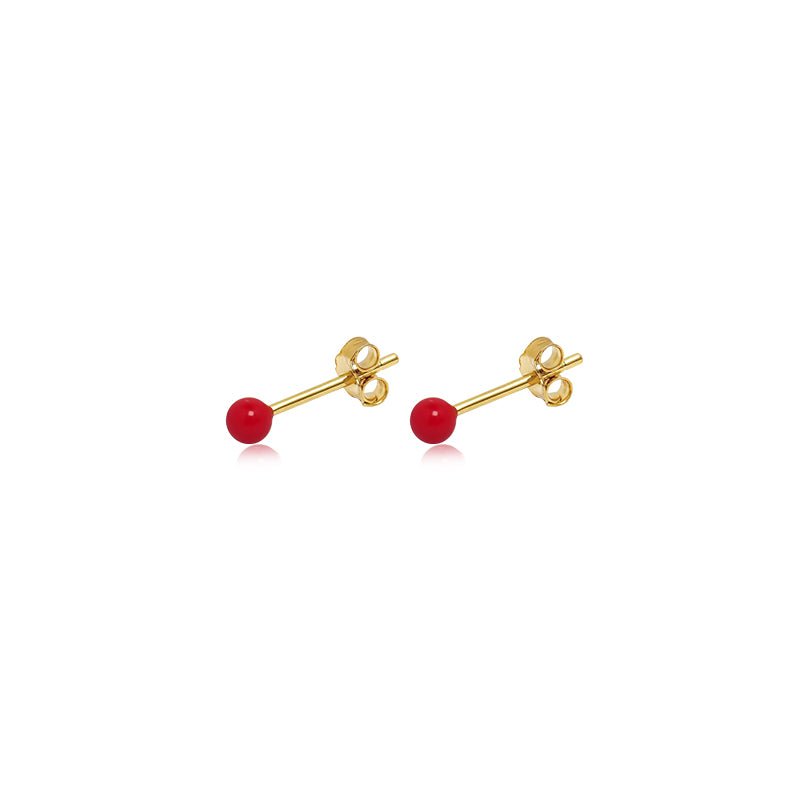
Most CZ stones are clear. That’s the classic diamond-style look. But you can also find colored CZ in pink, blue, yellow, green, black, champagne, and a few other shades.
The stone matters, of course. But I always look at the metal too. A nicely cut CZ stone in sterling silver can look clean and wearable. That same kind of stone in flimsy plating or mystery metal can feel cheap pretty fast.
So when I’m shopping, I don’t only ask, “Is this cubic zirconia?” I also check what the piece is made of, how the stone is set, and whether it fits the way I actually wear jewelry.
Because a ring you wear twice a year and a ring you wear every day need different things.
Zirconia, cubic zirconia, zircon, and diamond
 The names are too similar. That’s part of the problem.
- Cubic zirconia, or CZ, is the lab-created stone used in most zirconia jewelry.
- Zirconia is the broader material name. In jewelry listings, sellers often use it as a shorter way to talk about cubic zirconia.
- Zircon is a natural gemstone. It comes from the earth and can be blue, brown, yellow, green, clear, and other colors. It is not the same as cubic zirconia.
- Diamond is made of carbon. It can be natural or lab-grown. It is harder than cubic zirconia and usually much more expensive.
If a listing says “zircon,” I slow down and read more carefully. Sometimes it means natural zircon. Sometimes the wording is loose. If it says CZ, that usually means cubic zirconia.
This matters because the price should match the material. A cubic zirconia ring can be beautiful, but you shouldn’t pay diamond-level money for it.
Is zirconia jewelry fake?
I don’t really like calling zirconia jewelry fake. Cubic zirconia is a real material. It just isn’t diamond.
A CZ ring can still be pretty. A CZ tennis bracelet can still look great with a black dress or a plain white shirt. A pair of CZ studs can still be the earrings you reach for three times a week.
The issue is how it’s sold. If a seller clearly says the stone is cubic zirconia, great. You know what you’re buying. If the listing uses vague wording and tries to make you think it’s diamond, I’d be careful.
I like zirconia most when it’s presented honestly. Affordable. Sparkly. Easy to wear. Not too precious. That’s enough.
Why does cubic zirconia look so bright?
 Cubic zirconia reflects light well. That’s why it can look so bright under store lights, bathroom lights, party lights, camera flash, all of it.
It also tends to look very clean. Natural diamonds often have tiny internal marks. CZ is usually made to look clear and flawless. That perfect look can be pretty, but in larger stones it can also look a little less natural.
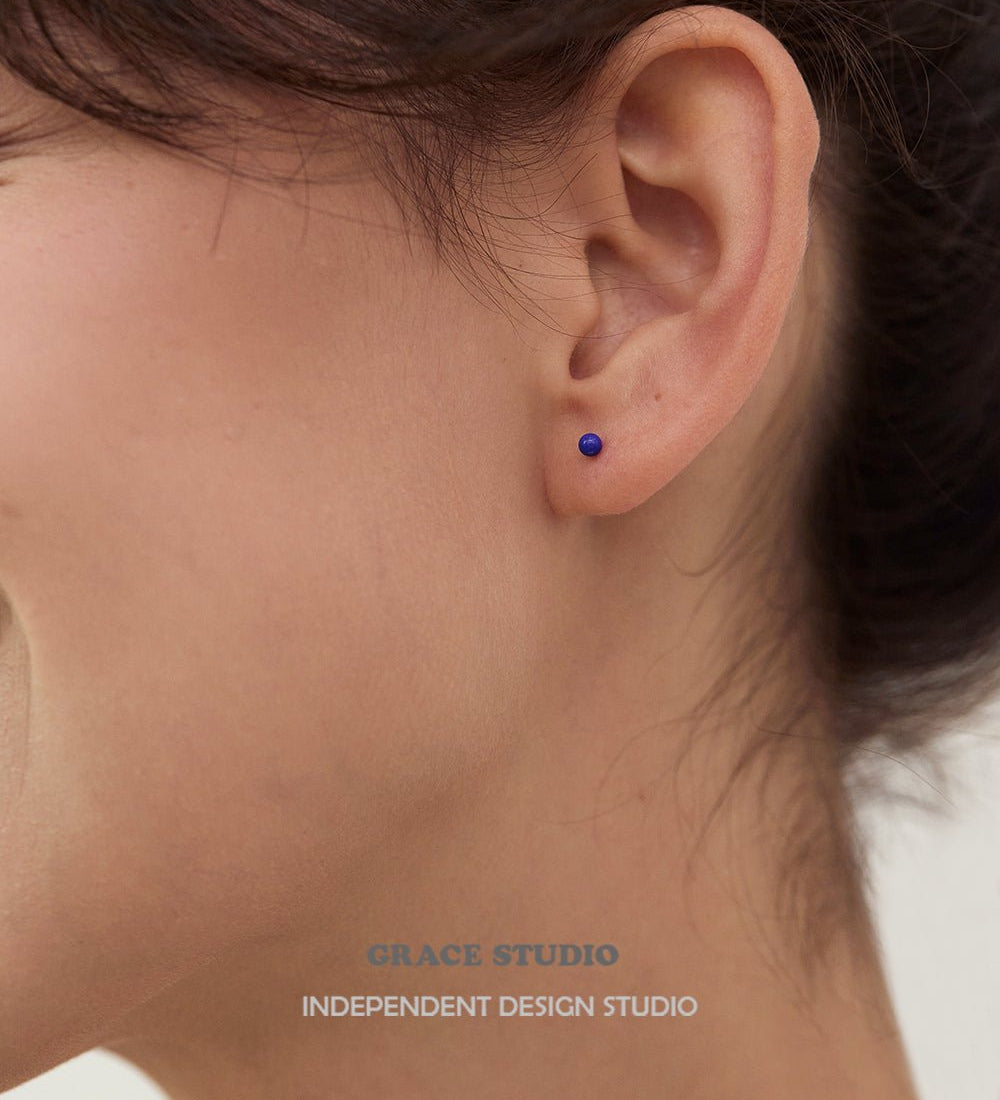
Smaller CZ pieces often look the easiest to wear. A small pair of studs. A slim band. A 1-carat-style solitaire. A delicate pendant.
A huge CZ center stone can still be fun. I’m not against it. It just gives more of a fashion-jewelry look, which may be exactly what you want.
CZ is also fairly hard. It usually sits around 8 to 8.5 on the Mohs hardness scale. Diamond is 10. So yes, CZ can handle regular wear, but it can scratch or dull over time.
Rings take the most damage. They hit counters, bags, desks, car doors, gym equipment, laundry baskets, everything. Earrings and necklaces usually have a much easier life.
Zirconia jewelry vs diamond jewelry
I don’t think zirconia and diamond need to fight for the same job. They’re useful in different ways.
| Feature | Cubic zirconia jewelry | Diamond jewelry |
|---|---|---|
| Material | Lab-created zirconium dioxide | Carbon, natural or lab-grown |
| Hardness | Around 8 to 8.5 Mohs | 10 Mohs |
| Price | Usually much lower | Usually much higher |
| Resale value | Usually low | Depends on the piece |
| Best for | Travel, events, trends, casual shine | Long-term daily wear, fine jewelry, sentimental pieces |
| Look | Bright, clean, very white | More depth and better wear over time |
| Care | Easy, but it can dull | Still needs care, but holds up better |
I’d choose zirconia for pieces I want to enjoy without thinking about them too much. Travel rings. Party earrings. A tennis bracelet I wear to dinner. A trendy ring shape I’m not sure I’ll love in six months.
For a piece I want to wear every day for years, I’d compare CZ with moissanite, lab diamond, diamond, or another harder stone.
| Stone | Hardness (Mohs) | Typical price range |
|---|---|---|
| Cubic zirconia | 8–8.5 | $20–$150+ |
| Moissanite | 9.25 | $200–$1,000+ |
| Lab diamond | 10 | $500–$3,000+ |
| Natural diamond | 10 | $1,000–$10,000+ |
You can own both, of course. I like the idea of mixing fine jewelry with lower-cost pieces. Real studs with a CZ necklace. A diamond ring at home, CZ travel ring on vacation. Simple.
What is zirconia jewelry good for?
 Zirconia jewelry is good when you want shine without stress.
Travel is the first thing I think of. I would rather bring a CZ ring on a beach trip than worry about losing a more expensive ring in a hotel room, airport bathroom, or ocean. Same idea with a tennis bracelet.
It’s also useful for testing styles. Maybe you like the idea of a pear-cut ring, but you’re not sure it feels like you. Maybe you want to try a tennis necklace. Or pavé hoops. Or a big cocktail ring that looks amazing in photos but may not fit your normal life.
CZ lets you test the look first. It also works well for events. Weddings, holiday dinners, birthdays, work parties, photos. Anywhere you want a little shine, but you don’t want to make a major purchase for one outfit.
For everyday wear, I’d go simpler. CZ studs, a small pendant, a slim band, or a small hoop with CZ stones. Those are the pieces that tend to blend into real outfits.
And for someone younger, CZ can be a nice first “grown-up” jewelry option. Special, but not scary expensive.
How long does zirconia jewelry last?
This depends so much on the piece. With daily wear, a CZ ring might look its best for 1 to 3 years. Maybe longer if the setting is good and you’re gentle on your hands. Maybe less if you wear it through dishes, workouts, showers, and cleaning.
| Piece type | Daily wear lifespan | Occasional wear lifespan |
|---|---|---|
| Rings | 1–3 years | 5–8 years |
| Bracelets | 2–4 years | 5–10 years |
| Necklaces | 3–5 years | 7–10+ years |
| Earrings | 4–6 years | 8–10+ years |
With occasional wear, CZ jewelry can last much longer. Five years is very possible for some pieces. Ten years can happen too, especially with earrings and necklaces.
The metal often shows wear first.
- Gold plating can fade.
- Prongs can loosen.
- Glue-set stones can fall out.
- Sterling silver can tarnish, but that’s usually fixable with polishing.
If I wanted a CZ piece to last, I’d look for prong-set stones rather than glued stones. I’d also want the metal clearly listed. Sterling silver, stainless steel, gold vermeil, solid gold, or nickel-free metal if your skin is sensitive.
For rings, lower settings are easier. Tall settings look pretty, but they catch on sweaters, towels, hair, bags, and sometimes every single thing you touch. Annoying, but true.
And yes, I’d take it off before swimming, cleaning, showering, or lifting weights. Not exciting advice. Still useful.
What is zirconia jewelry worth?
Zirconia jewelry usually doesn’t have much resale value. An $80 CZ ring might resell for $10 to $25, if it sells at all. If the setting is sterling silver or solid gold, the metal may have some value. The CZ stone itself is inexpensive.
So I wouldn’t buy zirconia jewelry as an investment. I’d buy it because I’ll wear it.
- A $25 pair of CZ studs you wear twice a week for two years? That feels like a good buy.
- A $60 travel ring that lets you leave your more expensive ring at home? Also good.
- A $150 necklace you wear once and forget about? Maybe not.
That’s usually how I think about it. The value is in how often it leaves the jewelry box.
Related video
How to spot better zirconia jewelry
Some CZ pieces look really nice. Some look cloudy before you even add them to your cart. Here’s what I check.
- The stone should look bright, not flat. If it looks dull in the product photos, I don’t expect it to look better in real life.
- The metal should be clear. Sterling silver, stainless steel, gold vermeil, solid gold, or nickel-free metal. Those details help. Vague phrases like “gold tone” make me hesitate.
- The setting should fit the way you’ll wear it. Prongs, bezels, and channel settings usually feel more secure than glue. Glue can be fine for a cheap fashion piece, but I wouldn’t pick it for a ring I wanted to wear often.
- The size should make sense. Small CZ stones often look more natural. Large stones can be fun, just more obvious.
- Customer photos are worth checking. Studio photos can make almost anything look good. I want to see real photos. I look for cloudy stones, fading plating, loose prongs, green marks, and reviews that mention stones falling out.
- The product details should be easy to find. If I have to search too hard for the metal type, stone size, or plating info, I usually move on.
Best metals for zirconia jewelry
The metal matters more than people think.
- Sterling silver is a good middle choice. It’s affordable, common, and easy to polish. It can tarnish, but that doesn’t bother me much.
- Gold vermeil gives you a thicker layer of gold over sterling silver. It costs more than basic gold plating, but it usually wears better with care.
- Gold-plated brass can look pretty at first. The plating may fade faster, though. It may also bother sensitive skin, depending on the base metal.
- Stainless steel can be a good option for simple pieces. It’s strong, easy to care for, and often comfortable for sensitive skin.
- Solid gold costs more, but the metal lasts. A solid gold ring with CZ can make sense if you care about the setting lasting but don’t want to pay for diamonds.
For earrings, I care most about skin sensitivity. For rings, I care about the setting and metal strength. For necklaces, I’m a little more relaxed because pendants don’t get knocked around as much.
| Metal | Durability | Best for |
|---|---|---|
| Sterling silver | Good, can tarnish | Everyday & sensitive skin |
| Gold vermeil | Good with care | Elevated look, moderate wear |
| Gold-plated brass | Fades faster | Occasional wear only |
| Stainless steel | Very good | Active lifestyle, sensitive skin |
| Solid gold | Excellent | Long-term daily wear |
(Related article: Types of metal for jewelry making)
How to clean zirconia jewelry
 CZ can look dull when lotion, soap, sunscreen, perfume, and skin oils build up. Usually, it just needs a gentle clean. Here’s what I do:
- Put warm water and a drop of mild dish soap in a small bowl.
- Let the jewelry sit for 5 to 10 minutes.
- Brush gently with a soft toothbrush.
- Clean under the stone too.
- Rinse with clean water.
- Dry with a soft cloth.
I’d skip toothpaste. Too rough. I’d also avoid bleach and harsh jewelry dips unless the cleaner says it’s safe for that metal.
For rings, clean under the stone. That’s where the lotion gets stuck. For earrings, wipe the posts after wearing them if your ears are sensitive.
(Related article: How to store jewelry so it doesn't tarnish, tangle, or get damaged)
How to make zirconia jewelry last longer
 Small habits help. Put jewelry on after lotion, perfume, sunscreen, and hairspray. Take rings off before dishes, cleaning, swimming, gardening, or working out. Store pieces separately so they don’t scrape against each other.
If you wear a CZ ring often, check the prongs once in a while. Just run your finger over the setting. If something feels sharp, loose, or uneven, stop wearing it until someone can look at it.
For plated pieces, rubbing is the thing. A plated CZ bracelet usually wears faster than a plated necklace because bracelets hit desks, bags, sleeves, and countertops all day.
I’d also avoid sleeping in delicate CZ jewelry. Thin chains bend. Earring posts bend. Tiny settings can get pulled. It’s just easier to take them off.
(Related article: How to keep jewelry from tarnishing)
FAQ
Can you wear zirconia jewelry every day?
Yes. I’d just expect rings to show wear faster than earrings or necklaces. A sturdy setting helps.
Can zirconia jewelry get wet?
A little water is usually fine. I still wouldn’t shower or swim in it all the time. Chlorine, salt water, soap, and shampoo can make the metal wear faster.
Does zirconia turn green?
The stone itself doesn’t turn skin green. If your finger turns green, it’s probably the metal. Copper in the base metal or worn plating is often the reason.
Does zirconia look cheap?
It can. It doesn’t have to. A small CZ stone in a clean sterling silver setting can look much better than a huge stone in thin plating.
Can a jeweler tell it’s cubic zirconia?
Usually, yes. Jewelers have tools for that. Most people in normal life are not studying your earrings that closely.
Is zirconia good for engagement rings?
It can be, if you’re okay with the tradeoff. If you want the look for less, it may work. If you want decades of daily wear, I’d compare CZ with moissanite, lab diamond, and diamond first.
Is zirconia the same as moissanite?
No. Moissanite is a different stone. It is harder than CZ, usually costs more, and often holds up better for daily rings. CZ is usually cheaper and still very sparkly.
My simple buying checklist
 Before buying zirconia jewelry, I ask myself a few things.
- How often will I wear it? For daily wear, I care more about the setting and metal. For one event, I’m more flexible.
- Where will I wear it? For travel, I want something comfortable and not too oversized. For a party, I might go bigger.
- Does my skin react to jewelry? If yes, I stick with sterling silver, stainless steel, titanium, solid gold, or clearly labeled nickel-free pieces.
- Will the size work with my actual life? A tall ring setting can catch on sweaters, towels, bags, and hair. A lower setting is easier.
- Can I clean it easily? Simple settings are easier. Tiny pavé stones look pretty, but they collect lotion and dust faster.
- Do I care about resale? If resale matters, CZ probably won’t be satisfying. If I mostly want to wear and enjoy the piece, then yes, it can be a good option.
Infographic









Leave a comment