
What is Permanent Jewelry? (Process, Safety, Cost, Pros & Cons)
Permanent jewelry is a trendy, custom-fitted accessory like a bracelet, anklet, necklace, or ring that's welded onto you without a clasp, creating a seamless piece meant to stay on indefinitely.
It's essentially a low-maintenance way to wear fine jewelry every day, zapped together in a quick, painless process that feels like a spark of magic. Popularized on social media and at pop-up events, it's grown from a niche idea into a go-to for people wanting something effortless and meaningful. Think of it as your favorite chain becoming a part of you, no more fumbling with tiny hooks in the morning.
This style has exploded in popularity because it's simple yet personal. You pick a chain, get it sized perfectly to your wrist or ankle, and a jeweler uses a small welder to fuse the ends. No burns, no drama; it's safe when done right. Materials range from affordable silver to luxurious gold, and the whole thing takes just minutes. If you're new to this, don't worry, it's not as "permanent" as it sounds; you can always cut it off if needed. But for many, that's the appeal: a constant reminder of a special moment, like a trip with friends or a milestone celebration.
As we dive deeper, we'll cover everything from why people love it to how to care for it, drawing from real experiences and expert insights. Whether you're curious about trying it yourself or just browsing trends, this guide will break it down step by step.
What is the Point of Permanent Jewelry?
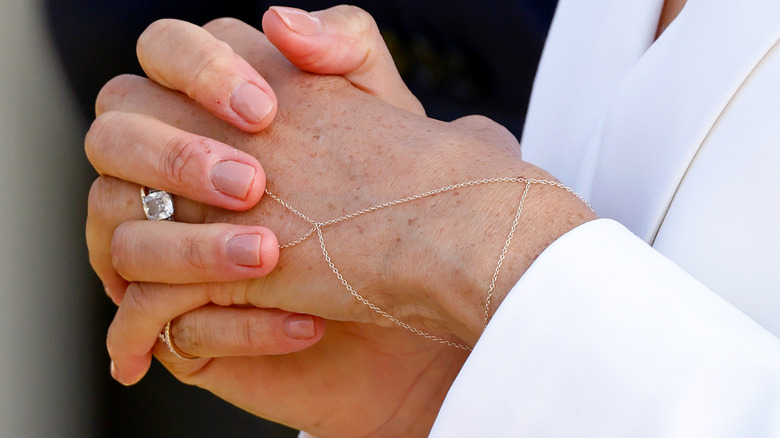
The main point of permanent jewelry is to offer hassle-free, symbolic adornment that feels like an extension of yourself, eliminating the need for daily clasping while adding a layer of personal meaning. It's about convenience meets sentiment, imagine never losing a bracelet because it's always there, or wearing a matching anklet with your best friend as a forever bond. In a world full of fleeting trends, this one stands out for its staying power.
People choose it for that "set it and forget it" vibe. For busy folks, like parents chasing toddlers or professionals on the go, it's a relief not to worry about jewelry falling off during workouts or showers. It's also deeply emotional; couples might get linked necklaces to symbolize commitment, or groups at bachelorette parties opt for bracelets as lasting mementos. From what I've seen in community discussions, it's not just about looks, it's a subtle way to carry memories. For instance, one user shared how their welded ring reminds them of a lost loved one every time they glance down, turning a simple accessory into a emotional anchor.
Beyond that, it's eco-friendly in a way, reducing the cycle of buying cheap, disposable pieces that end up in landfills. Jewelers emphasize quality over quantity, encouraging investment in something durable. Sure, it's a bit of a commitment, but that's the charm: in an era of constant change, permanent jewelry says, "This is me, unchanging."
What is Permanent Jewelry Used For?
Permanent jewelry is primarily used for everyday wear as a convenient, low-maintenance accessory, but it also serves sentimental purposes like commemorating relationships or milestones. It's perfect for active lifestyles where traditional jewelry might snag or get lost, think swimming, hiking, or even just typing at a desk without interruptions.
In practice, it's versatile. Bracelets are the most common, worn solo or stacked for a layered look that evolves with your style. Anklets shine for beach lovers, staying put through sand and surf. Necklaces offer a subtle glow at the collarbone, ideal for those who want something understated. And rings? They're great for commitment without the formality of engagement bands, often stacked on fingers for a boho vibe. Real-life examples abound: travelers love it for worry-free adventures, athletes for its snag-resistant design, and parents for pieces that withstand kid chaos.
It's also a social thing, pop-up events turn getting zapped into a fun group activity. Businesses use it for team-building, or families for heirloom-like bonds. One story I came across was a mother-daughter duo getting matching chains to celebrate a graduation, turning it into a ritual. Overall, it's about blending function with feeling, making jewelry feel alive rather than just an add-on.
Materials and Types of Permanent Jewelry
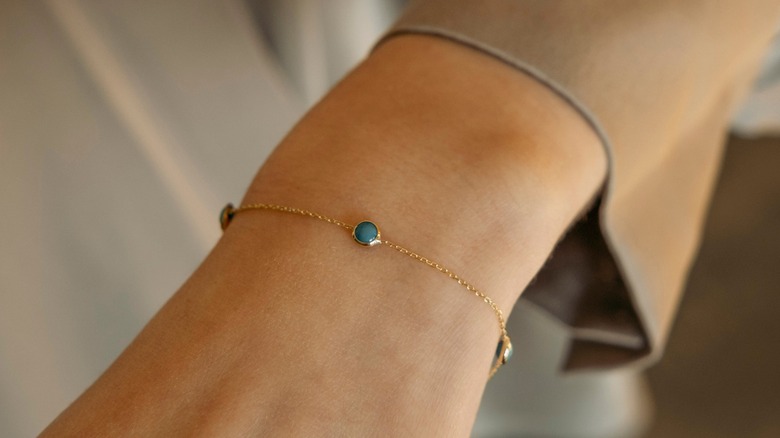
Permanent jewelry comes in various materials and styles to fit different tastes and budgets, crafted from durable, skin-friendly metals that ensure longevity and comfort. At its heart, it's all about quality chains or bands welded seamlessly, but the options let you personalize from minimalist to ornate. Jewelers focus on hypoallergenic choices to avoid irritation, making it accessible for most people.
Exploring these helps you pick what's right, whether you're after affordability or luxury. We'll look at common materials and spotlight rings as a unique type, with tips on what suits daily wear.
What is Permanent Jewelry Made Of?
Permanent jewelry is typically made from high-quality metals like 14k gold (yellow, white, or rose), sterling silver, gold-filled chains, or platinum, chosen for their durability, hypoallergenic properties, and resistance to tarnish. These ensure the piece can handle daily life without fading or causing skin issues.
Starting with gold-filled: it's a popular entry point, where a thick layer of gold is bonded to a base metal like brass. It's more affordable than solid gold but lasts years with proper care, think 5-30 years depending on wear. Sterling silver, at 92.5% pure silver mixed with copper, offers a bright, classic shine but might tarnish over time if not cleaned. For luxury, 14k solid gold is king: resistant to scratches and hypoallergenic, it's ideal for sensitive skin and can last a lifetime. Platinum steps it up with superior strength, though it's pricier and heavier.
Why these materials? They weld well without compromising safety. Jewelers avoid cheap alloys that could irritate or break easily. For example, if you're active, go for gold-filled, it's tough against sweat and water. I recall a story from a hiker who wore a silver anklet through trails for two years before needing a touch-up. Customization adds fun: add charms like birthstones or initials for extra meaning. Always check for certifications to ensure purity, as subpar metals can lead to allergies.
In short, the material dictates everything from price to lifespan, so match it to your lifestyle for the best experience.
Exploring Different Styles: What is a Permanent Jewelry Ring?
A permanent jewelry ring is a seamless band, often welded or custom-fitted to slip on without a clasp, providing a minimalist, always-on alternative to traditional rings that's perfect for stacking or standalone wear. Unlike bracelets, rings can sometimes be removed by sliding off due to finger shape, but the "permanent" tag comes from their durable, no-fuss design.
Styles vary widely. Simple bands in 14k gold offer clean elegance, while textured ones with hammered finishes add edge. Gem-set rings incorporate diamonds or sapphires for sparkle, welded securely. Stacking is huge, mix thin rings for a curated look, like a gold band with a silver twist. They're great for commitments: friends might get matching ones, or partners use them as promise rings without the bulk.
Practically, they're comfy for typing or chores, resisting snags. One user described stacking three on her index finger as a daily confidence boost. Drawbacks? Sizing must be spot-on; swelling from heat or injury could make removal tricky, so opt for looser fits. Jewelers often offer resizing by cutting and re-welding.
This style shines for its versatility, dress it up for evenings or keep it casual. If you're dipping toes in, start with a basic silver ring to test the waters.
The Process of Getting Permanent Jewelry
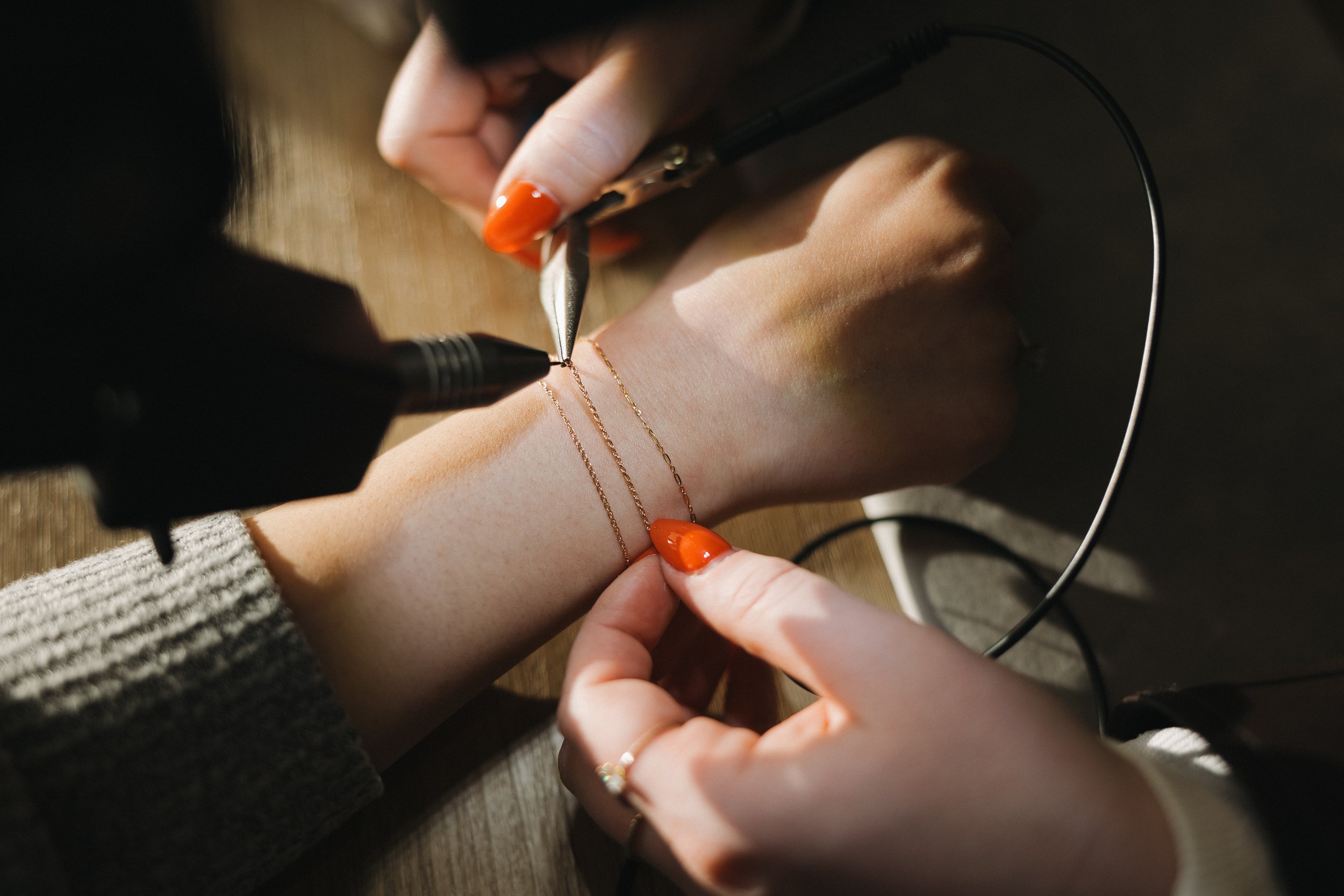
Getting permanent jewelry involves selecting your piece, custom-fitting it, and having it welded on in a quick session, usually at a studio or pop-up event. It's straightforward: arrive, choose, zap, and go. Sessions last 10-30 minutes, with no pain, just a brief spark away from your skin.
This process demystifies the trend, making it approachable for beginners. We'll cover costs and local spots, especially in areas like Los Angeles, to help you plan.
What is Permanent Jewelry Cost?
Permanent jewelry costs typically range from $25 for basic rings to $500+ for premium gold necklaces, including the chain and welding service, influenced by material, style, and add-ons like charms. In 2026, prices have ticked up slightly due to metal costs, but it's still accessible.
Break it down: Sterling silver bracelets start at $40-100, gold-filled at $60-200, and solid 14k gold from $150-500. Anklets add $20-50 for length, necklaces $50-100 more. Charms? $10-50 each. Events might charge less for groups, like $75 per person at parties.
Factors: Location matters, urban spots like LA are pricier. Chain thickness affects durability and cost; thicker links for active wear bump it up. Recent updates show gold rising, so silver's a budget win.
Here's a quick comparison table:
| Material/Type | Average Cost Range | Examples |
|---|---|---|
| Sterling Silver Bracelet | $40-100 | Basic chain, no charms |
| Gold-Filled Anklet | $60-150 | Thicker links for durability |
| 14k Solid Gold Necklace | $150-500+ | Custom length with pendants |
| Permanent Ring | $25-100 | Simple band or with gems |
Value-wise, it's an investment, lasting longer than fast fashion. One tip: hunt sales or bundles for savings.
Safety and Practical Considerations
Permanent jewelry is generally safe when applied by professionals using proper techniques and materials, but like any accessory, it comes with considerations for health, travel, and daily life. The welding doesn't touch skin, minimizing risks, but awareness helps avoid issues.
We'll address common worries, from dangers to downsides, plus specifics like MRIs and airports, with practical advice.
Is Permanent Jewelry Dangerous?
Permanent jewelry isn't dangerous if done correctly by trained jewelers, as the process avoids skin contact and uses safe metals, but rare risks like allergies or improper welding exist. It's far from hazardous, think of it as safer than piercings.
The zap creates a spark, but shields protect you; no heat reaches skin. Hypoallergenic materials reduce reactions, but test for sensitivities. Red flags: unclean tools or rushed jobs, choose reputable spots. For active folks, snags could pull, but welded links are strong.
Examples: A user snagged theirs on a door but it held; another had mild irritation from silver but switched to gold. Overall, millions wear it safely, just prioritize pros.
What are the Disadvantages of Permanent Jewelry?
The disadvantages of permanent jewelry include limited removability, potential for breakage, higher costs, and maintenance needs, but these are balanced by its perks for many. It's not for everyone who likes variety.
Can't switch styles easily, cutting it off means re-welding later. Delicate chains might snap if caught, requiring fixes. Upfront prices sting compared to clasp pieces, and tarnishing happens without care. Swelling from injuries could trap it, though rare.
Real talk: One person regretted it during a job change needing no jewelry; another fixed breaks multiple times. Weigh if the commitment fits your life.
Can I Get an MRI with Permanent Jewelry?
You generally can't get an MRI with permanent jewelry on, as metals can interfere with the machine's magnets, potentially causing burns or image distortion, so removal is required. Plan ahead by cutting it off.
MRIs use strong fields that heat or move metal, gold or silver included. Facilities insist on removal; inform techs early. Post-scan, re-weld at your jeweler.
Example: A patient cut their bracelet pre-MRI and got it fixed same day. Non-ferrous metals might be okay rarely, but don't risk, safety first.
Can I Wear a Permanent Bracelet Through Airport Security?
Yes, you can wear a permanent bracelet through airport security, as fine metals like gold or silver rarely trigger detectors, and TSA allows jewelry without removal. It's travel-friendly.
Precious metals don't set off alarms often; if they do, explain, it's not bulky. Travelers report smooth passes worldwide.
Tip: Avoid charms that might look suspicious. One flyer went through 10 flights hassle-free.
Maintenance and Longevity
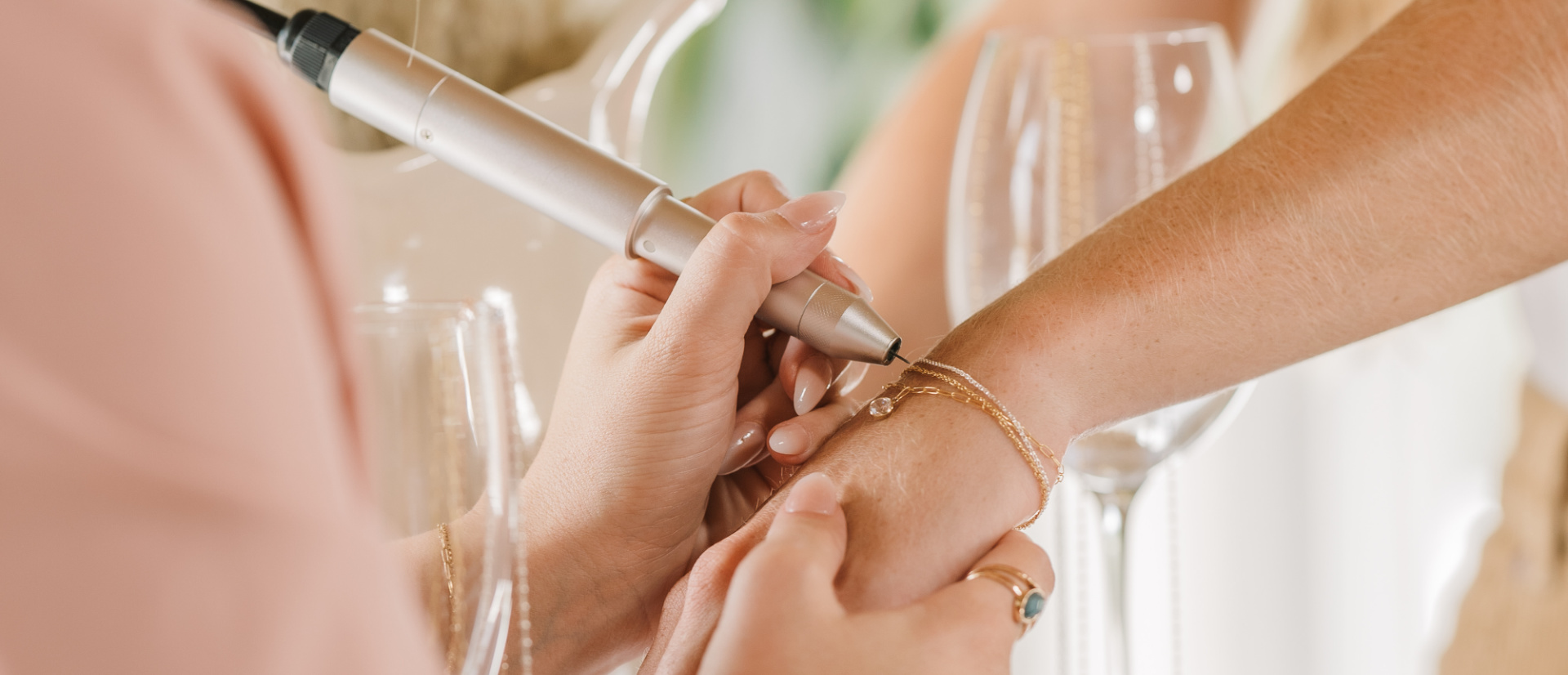
One of the biggest appeals of permanent jewelry is how low-maintenance it is. Designed for everyday wear, these pieces don’t require special routines, just gentle care to keep them looking their best. With the right material and a little attention, permanent jewelry can remain beautiful for years, even decades.
While it’s made to stay on through daily life, a bit of TLC goes a long way. Simple habits like regular cleaning and avoiding harsh chemicals can significantly extend its lifespan.
Below, we’ll explore how long permanent jewelry typically lasts and what to know about removal when needed.
We'll explore lifespan and removal, with tips for keeping it fresh.
How Long Does Permanent Jewelry Last?
The lifespan of permanent jewelry can range anywhere from 2 to 20 years, or even a lifetime, depending on the material and how it’s worn.
-
14k solid gold is the most durable option and can last indefinitely with proper care. It doesn’t tarnish and holds up well to daily exposure.
-
Gold-filled jewelry generally lasts 5–10 years, making it a popular mid-range choice.
-
Sterling silver is more affordable but may tarnish over time and require more frequent polishing.
Lifestyle plays a big role too. Frequent swimming, heavy workouts, or exposure to saltwater, chlorine, lotions, and perfumes can accelerate wear. Regularly rinsing with mild soap and warm water, then drying thoroughly, helps preserve shine. When possible, avoid prolonged moisture and store extra pieces in a dry place.
One wearer shared that her permanent anklet lasted three summers of beach days before showing signs of fading, proof that while these pieces are resilient, periodic check-ins and gentle care matter.
How to Remove Permanent Jewelry (and Can You Remove It?)
Yes, permanent jewelry is absolutely removable. The term “permanent” refers more to its seamless design than to a lack of flexibility.
If needed, the jewelry can be removed by:
-
Carefully cutting the jump ring at the welded point using nail clippers or small scissors at home, or
-
Visiting a jeweler for a clean, professional snip
Once removed, the piece can often be re-welded later, typically for a small fee (often around $10–$20). This makes permanent jewelry adaptable to life changes, medical procedures, travel, or simply evolving style preferences.
For example, one customer removed her bracelet for surgery and had it seamlessly reattached afterward, no damage, no stress. That flexibility is part of what makes permanent jewelry feel empowering rather than restrictive.
Community Perspectives and Real Experiences
From online forums to social shares, community views on permanent jewelry highlight its joy and quirks, with users praising sentiment but noting practical hiccups. It's a mixed bag of love stories and lessons.
On Reddit, permanent jewelry is often hailed as a cool, low-maintenance trend with strong sentimental value, though some call it gimmicky due to potential breaks or removal needs. Threads buzz with pros like convenience and cons like durability.
Users love the bonding aspect, matching with friends feels special. One post raved about a bracelet lasting years, symbolizing friendship. Criticisms: thin chains snap, or it's overpriced. A debate called it "silly" but admitted appeal.
Reviews vary: positive for quality from spots like LINK x LOU, negative for tarnish. Overall, it's beloved for minimalism, with tips on care shared widely.
Conclusion: Is Permanent Jewelry Right for You?
Permanent jewelry might be right if you crave effortless, meaningful accessories that fit your lifestyle, but skip it if you prefer flexibility or have concerns like medical procedures. Weigh the symbolism against practicality, it's a personal call.








Leave a comment