
What is Fashion Jewelry
Think of fashion jewelry as the easy, try‑it‑on way to wear a look. It gives you the style and the silhouette you want, without the commitment of precious metals or rare gemstones.
In simple terms, the materials decide the category. Fine jewelry is made from solid precious metals like gold, platinum, or sterling silver and usually set with genuine gemstones. Fashion jewelry (often called costume jewelry) uses base metals, such as brass, copper, or aluminum, often finished with a layer of gold, silver, or rhodium, and it features simulated stones like glass, crystal, or cubic zirconia. On the eye, both can be beautiful, under the surface, they’re built differently.
What does that look like in real life? Picture a pendant necklace with a resin or glass drop on a gold‑tone chain, or a cubic‑zirconia solitaire set into rhodium‑plated brass. The classic fashion builds are the shine and shape you love and made with approachable materials.
You’ll also hear fashion jewelry called costume jewelry, the terms are widely used as synonyms in modern guides and brand education. The point is the same, it’s jewelry designed for accessibility and trend‑play, not long‑term intrinsic value.
A quick note on how a pendant hangs, since you’ll see these parts named on product pages. The bail is the little connector that lets the pendant slide on a chain, it can link directly to the chain or to a small jump ring that joins the pendant and chain together. If you’re reading specs, those two terms simply describe the hardware that helps your necklace sit flat and move smoothly.
Because the metals are softer and the finishes are plated, fashion pieces won’t usually last as long as fine pieces, and repairs can be tricky, heat and polishing that work on solid gold or platinum can damage plating. On the other hand, the price is friendlier, the shapes can go bigger, and it’s perfect when you want to try a new look without overthinking it.
To show you a comparison, imagine two necklaces.
- A diamond station style with tiny diamonds spaced along a gold chain (fine), and
- A similar station necklace that spaces crystals along a plated chain (fashion).
Both give you delicate sparkle across the neckline, the difference is in the build and how it will wear over time.
If you keep those material cues in mind, what the chain is made of, how the pendant is attached, what the “stones” are, you’ll know exactly what you’re buying and how it will behave in daily wear.
What Fashion Jewelry Is Made Of

When you pick up a necklace or a pendant necklace in this category, the look is the point, and the materials are chosen to make that look easy to wear and easy to buy. Here’s what you’ll actually see on a product page, in plain English.
Metals and finishes
- Base metals do most of the work. brass, copper, or aluminum. They give shape to the chain, the pendant frame, and little parts like the clasp. These metals keep cost down and take on different colors well.
- To get the shine of fine jewelry, makers add plating. a thin layer of gold, silver, or rhodium over the base metal. So you might see a gold‑tone chain or a rhodium‑plated pendant.
- Some lines use sterling‑silver cores with premium plating (for example, rhodium over silver or gold vermeil over silver). You’ll see this pitched as a step up in feel and finish inside the broader fashion space.
- You’ll also find stainless‑steel chains and pendants. They’re popular for being sturdy, often tarnish‑resistant, and sometimes nickel‑free, which can feel better on sensitive skin.
Stones and decorative materials
- Instead of mined gemstones, fashion pieces tend to use glass, crystal (including Swarovski‑style crystals), resin/acrylic, and cubic zirconia (CZ). These give clear sparkle or bold color at an approachable price.
- If you see a station necklace with tiny “stones” dotted along the chain, those stations might be crystals or CZ in plated bezels, in fine jewelry, the same layout uses diamond stations in solid gold. The pattern is similar, the materials are different.
- Some designs add textiles or leather for contrast, think a pendant wrapped on cord or a mixed‑media chain.
Findings and hardware
- The bail is the small connector at the top of a pendant. It lets the pendant slide on the chain so the pendant hangs flat on your neckline. Often, the bail links to a tiny jump ring that joins pendant and chain.
- You may also notice the clasp, end rings, and other little connectors. These are usually the same base metal as the chain, with the same plating to match the color.
Quick ways to read a product description
- Metal line: if it says brass with gold plating or rhodium‑plated brass, you’re in fashion‑jewelry territory, 14k gold or platinum signals fine.
- Stone line: glass, crystal, resin, or CZ points to fashion, diamond, sapphire, or emerald (with carat details) points to fine.
- Comfort line: if your skin is sensitive, look for stainless steel or nickel‑free notes on the chain and pendant.
On the other hand, if you love the silhouette of a certain necklace or a pendant shape, fashion materials let you enjoy the same outline and shine at a lighter price. And once you know how to spot the metal, the plating, and the stones, choosing the right chain and pendant for daily wear gets a lot simpler.
Fashion Jewelry vs. Fine Jewelry (and the “Semi‑Fine” Middle)

The simplest way to tell these categories apart is to look at what they’re made of. Fine jewelry uses solid precious metals (gold, platinum, sterling silver) and genuine gemstones, fashion jewelry relies on base metals (like brass or copper), often with gold, silver, or rhodium plating, and simulated stones such as glass, crystal, or cubic zirconia. The eye can be fooled, the materials can’t.
How they behave over time is the next big difference. Fine pieces can usually be cleaned, serviced, and repaired for decades, fashion pieces are more prone to tarnish, plating wear, or loose settings, and heat from repairs can damage their finishes, making fixes harder or not worthwhile.
Why people choose each one also diverges. Fashion jewelry is about accessibility and play, trying a new chain, a bold pendant, or seasonal color without a big investment. Fine jewelry is about endurance and meaning, the pieces you reach for daily, mark milestones with, and keep in the family.
To show you a comparison, imagine two similar station necklaces. One spaces diamonds along a solid‑gold chain (fine), the other spaces crystals along a plated chain (fashion). Both give that airy, dotted sparkle, the build and lifespan are the difference.
The “semi‑fine” middle (what it is, and where experts disagree)
Some brands use semi‑fine for higher‑quality fashion builds, think gold vermeil over sterling silver, rhodium‑plated silver, and natural but more affordable gems. It’s an attempt to recognize better materials and finishing without calling the piece “fine”.
On the other hand, some authenticators say materials are the only rule, if there’s any base metal in the construction, it still belongs under fashion jewelry, regardless of how nice the plating is. In that view, “semi‑fine” is a marketing label, not an industry standard.
A practical tip as you shop: read the materials line and look for hallmarks. Brand name and price can suggest quality, but the stamp and the spec tell you whether you’re holding fashion or fine. Some guides even warn that sellers may over‑use the word “fine”, so it’s smart to verify.
If you keep those checks in mind, metal, stone, and build, you can pick the right necklace, chain, or pendant for the way you actually wear jewelry day‑to‑day, and save the heirloom pieces for the moments that matter most.
What are the Pros and Cons of Choosing Fashion Jewelry
When you’re standing at the case looking at a necklace, it helps to think about how you’ll wear it and what it’s made of. Here’s the easy way to weigh fashion pieces against fine pieces, then pick the chain, pendant, or station necklace that fits your day‑to‑day.
The upsides of fashion jewelry (why people love it)
- Friendly price, plenty of style: You can try a new chain length, a bigger pendant, or bold color without a big spend, great for updating outfits or testing trends.
- Freedom with scale: Because designers aren’t tied to solid gold or diamonds, they play with larger silhouettes and eye‑catching shapes you might not see (or afford) in fine builds.
- Looks you know and love: You’ll see classic layouts, like a station necklace that sprinkles sparkle along the chain, using crystals or CZ for the same airy effect.
The trade‑offs (what to expect over time)
- Shorter lifespan: Plating can wear, base metals can tarnish, settings may loosen sooner than in fine jewelry. Repairs are harder because heat and polishing can damage the finish.
- Skin comfort can vary: Some base‑metal mixes (and nickel) can discolor skin or feel irritating. Many brands flag nickel‑free or stainless‑steel options as gentler choices.
Why fine jewelry still matters
- Built to last: Solid precious metal and secure settings make cleaning and repairs straightforward, pieces often become everyday staples or family keepers.
- Materials hold value: Gold, platinum, and natural gemstones carry intrinsic worth, that’s why you reach for fine pieces to mark milestones.
How to choose between fashion jewelry and fine jewelry
Reach for fashion jewelry when…
- You want to try a longer chain with a light pendant for a single outfit or season.
- You’re exploring scale, say, a larger pendant necklace or oversized drops, without the weight or cost of solid gold.
- You like the dotted sparkle of a station necklace, but you’re happy with crystal or CZ stations on a plated chain.
Choose fine jewelry when…
- You’ll wear the necklace daily (think: a small diamond pendant on a solid‑gold chain) and want it to stand up to years of cleaning and clasp checks.
- You’re buying for a milestone or heirloom potential, engagements, anniversaries, or pieces you plan to pass down.
Quick comparison to make it real
To show you a comparison, imagine two almost‑twins on the tray:
- Fine: a diamond station necklace, tiny diamonds bezel‑set along a 14k gold chain. It’s delicate, repairable, and built for years.
- Fashion: a crystal station necklace, sparkling crystals set along a rhodium‑plated brass chain. Same dotted look, lighter price, expect normal plating wear over time.
Both are pretty on the neckline, the difference is materials and lifespan.
A checklist at the counter
- Metal: Does the description say brass with gold plating (fashion) or 14k gold/sterling silver (fine)?
- Stone: Glass/crystal/CZ (fashion) vs. diamond/sapphire/etc., with carat details (fine).
- Comfort: Sensitive skin? Ask for nickel‑free or stainless‑steel chains and pendants.
- Stamp & honesty: Check hallmarks and specs, don’t rely on brand name alone. Some guides warn that sellers can over‑use the word “fine”.
If you shop with those points in mind, you’ll bring home the right chain and pendant for how you live, whether that’s a crystal‑station necklace for weekday brightness or a diamond pendant necklace you’ll reach for every year
How to Take Care of Fashion Jewelry, Making Fashion Jewelry Last Longer

Fashion jewelry is built for style first, so it won’t wear like solid gold or platinum, and that’s okay as long as you set expectations and care for it the right way. Fine pieces can usually be cleaned, checked, and repaired over many years, while plated, base‑metal pieces are more prone to tarnish and finish wear, and they’re harder to repair without damaging the plating.
Everyday care that actually helps
- Keep it dry: Take off your necklace or pendant necklace before showering or swimming, moisture speeds up tarnish on plated and base‑metal chains. Store pieces in a dry spot.
- Wipe after wear: A quick polish with a soft cloth removes skin oils and keeps the chain and pendant looking bright.
- Avoid harsh chemicals: Perfumes, chlorine, and cleaners can dull finishes and weaken settings, save your jewelry for after lotions and sprays.
- Store to prevent scratches: Use a lined box or soft pouches so pendants, bails, and chains don’t rub against other pieces.
Repairs and “what not to do”
- Skip heat‑heavy fixes on plated pieces: The heat needed for solder repairs can blacken or damage plating on brass or copper, making some fashion jewelry uneconomical to fix.
- Expect normal wear: Plating can thin at contact points (like the clasp, bail, or jump ring area) faster than on solid precious metal, regular checks help you catch issues early.
Comfort tips for sensitive skin
- If certain chains leave your skin discolored or itchy, look for nickel‑free builds or stainless‑steel chains and pendants, they’re often easier on the skin and more resistant to day‑to‑day wear.
A simple routine
- Before wear: Fasten and unfasten the clasp once to be sure it’s secure, glance at the jump ring and bail to confirm they’re closed and aligned with the chain.
- After wear: Quick wipe with a soft cloth, lay the chain flat (clasp closed) in a pouch or box.
Handled this way, your favorite fashion necklace, whether it’s a crystal station necklace or a bold pendant on a rhodium‑plated chain, will keep its shine longer, and you’ll know when it’s time to refresh or replace it rather than forcing a tricky repair.
Quick Checks Before You Buy
Here’s a simple way to read any product page or tag so you know exactly what you’re getting, whether it’s a crystal station necklace on a plated chain or a diamond pendant necklace in solid gold.
1. Read the metal line first
- Look for the core metal: If you see brass, copper, or aluminum with gold/silver/rhodium plating, you’re looking at fashion jewelry. If you see 14k/18k gold, platinum, or sterling silver (925) as the metal itself, that’s fine jewelry. Materials draw the line.
- Plating = pretty but temporary: Plated finishes can wear with friction and time, they’re harder to repair without damaging the finish.
2. Check the stones (what’s sparkling)
- Fashion stones: glass, crystal (including Swarovski‑style crystals), resin/acrylic, or cubic zirconia (CZ). Great for shine and color at a friendly price.
- Fine stones: diamond, ruby, sapphire, emerald, etc., usually with carat details. Pairing genuine gems with solid precious metal places the piece in fine jewelry.
3. Find the hallmark or stamp
- A true fine piece should carry a metal hallmark like 14K, 18K, PT/PLAT, or 925 on the clasp, tag, or inner surface. If the branding and price feel “fine” but the stamp and spec don’t match, trust the stamp, labels and marketing can be misleading.
4. Comfort and skin sensitivity
- If certain chains leave your skin discolored or itchy, look for nickel‑free notes or choose stainless‑steel builds, many modern fashion lines use these for better day‑to‑day comfort.
5. Inspect the build, the tiny parts matter
- Bail & jump ring: The bail is the connector that lets the pendant slide and hang flat, the jump ring is the small ring that often links pendant to chain. Make sure both are fully closed and aligned so your pendant sits straight and doesn’t catch.
- A quick look at the clasp and end rings helps too, they’re usually the same base metal and plating as the chain, so wear shows there first.
6. Ask the two practical questions
- “Can this be repaired or re‑plated”. Fine pieces can usually be serviced, many fashion pieces cannot handle heat or polishing without harming the finish.
- “What’s the everyday expectation”. Fine jewelry is built for years, fashion jewelry offers style now, with normal plating wear over time.
- 7. A quick example (how to read a tag)
- Metal: “Rhodium‑plated brass” → fashion, expect brightness now and routine wear later.
- Stones: “Cubic zirconia stations” → fashion sparkle, the same layout with “diamond stations, 14k gold chain” would be fine.
- Findings: “Lobster clasp, fixed bail, closed jump ring” → good: your pendant should hang straight and the chain should move freely.
On the other hand, if you love the necklace for its shape, length, or how the pendant sits on your collarbone, fashion materials are an easy, low‑stress way to wear the look. If you want an everyday keeper, check those stamps and choose fine.
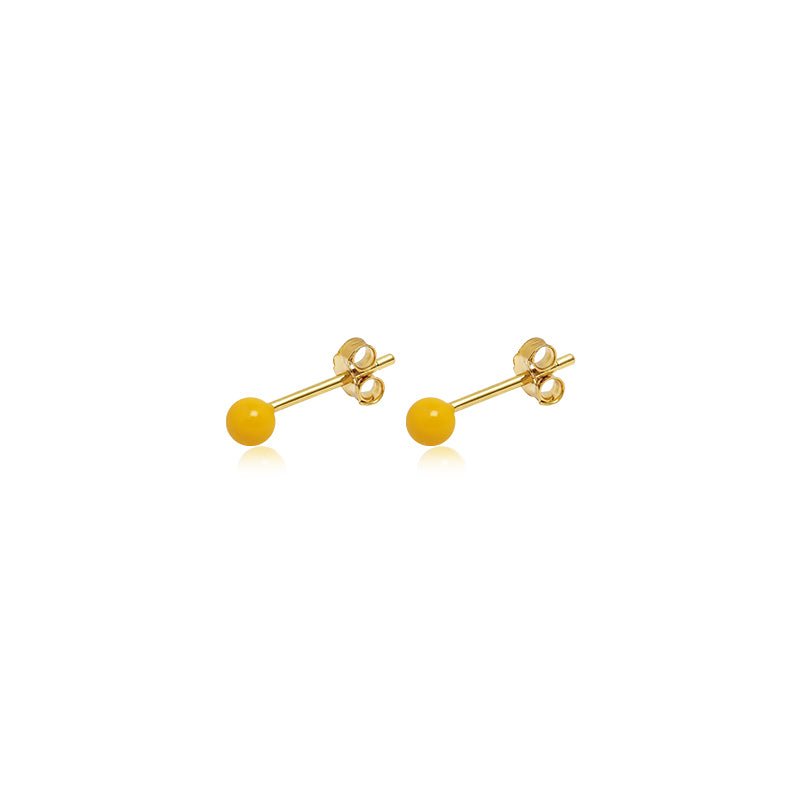
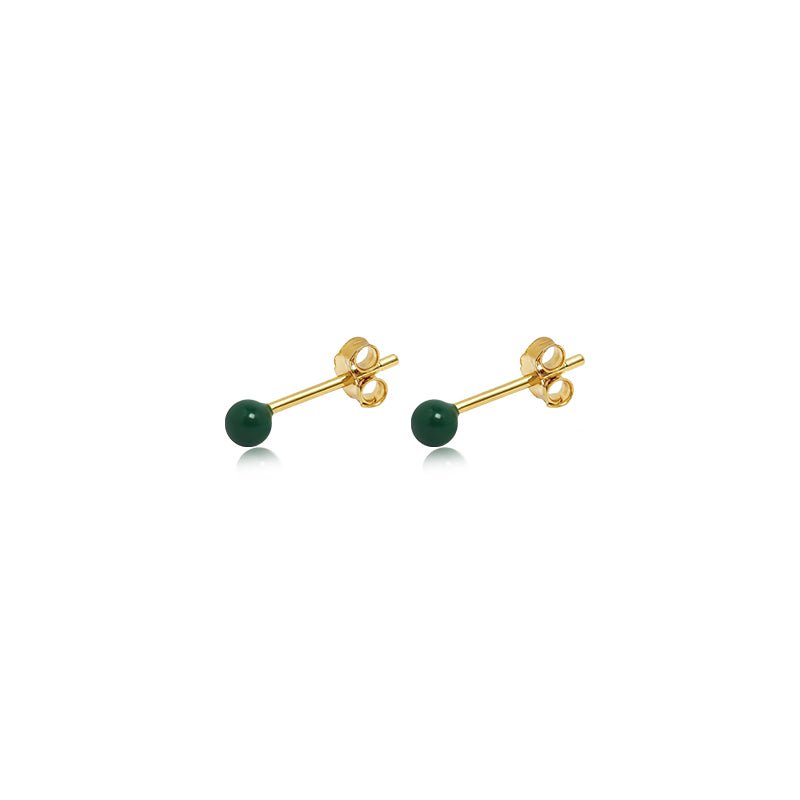
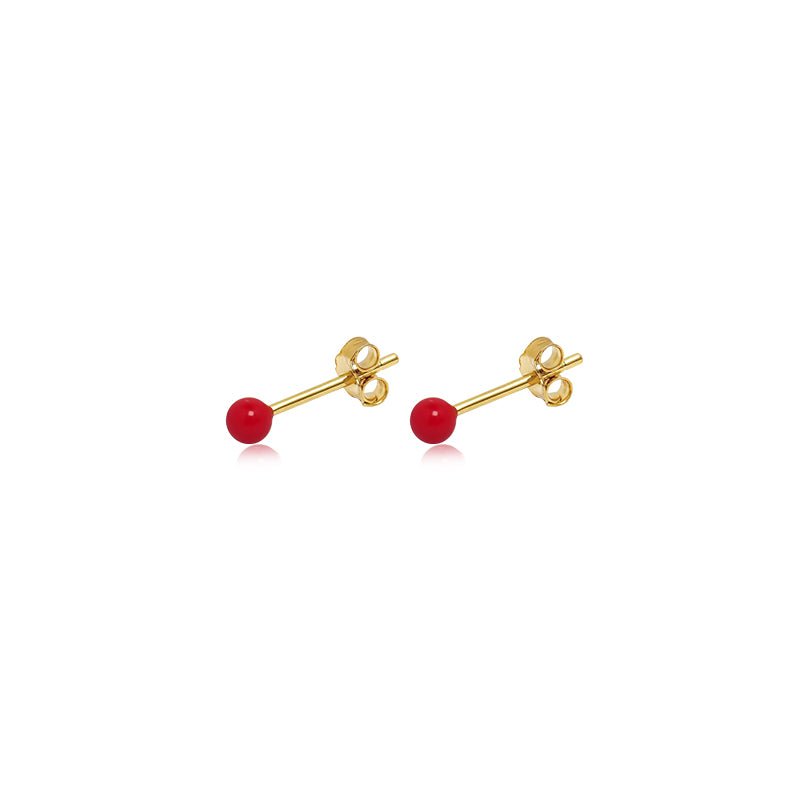
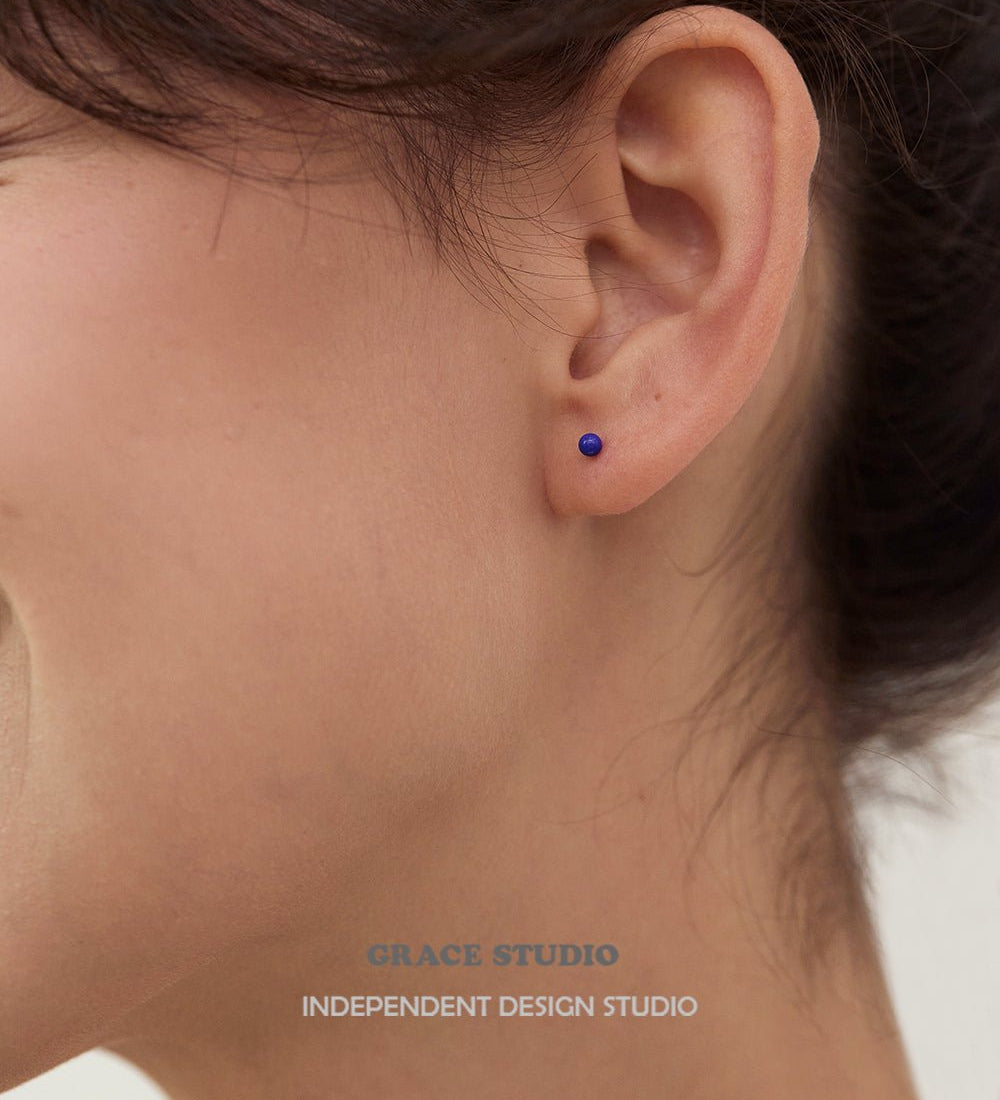
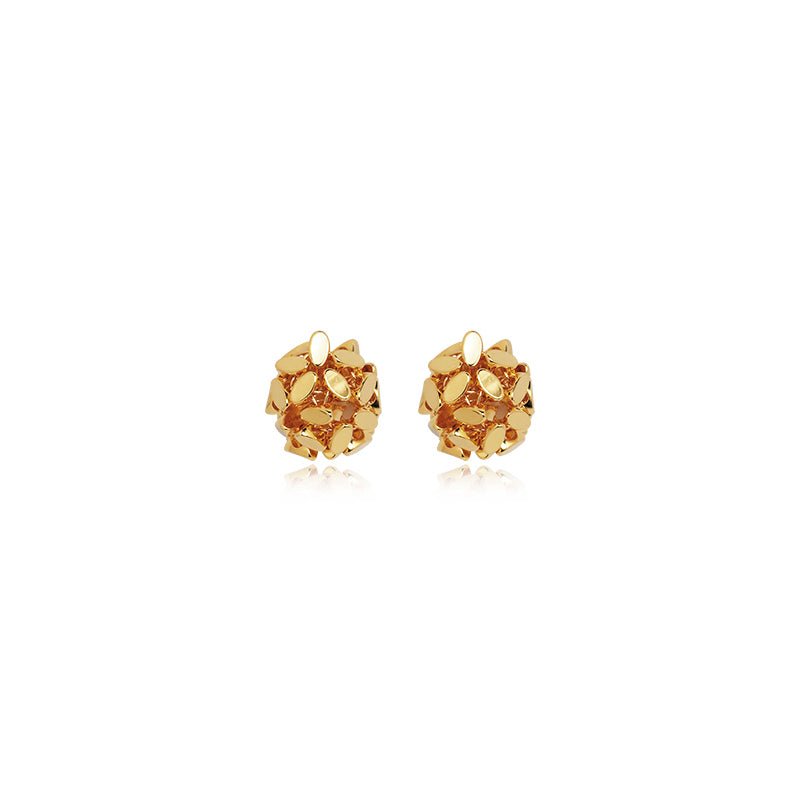
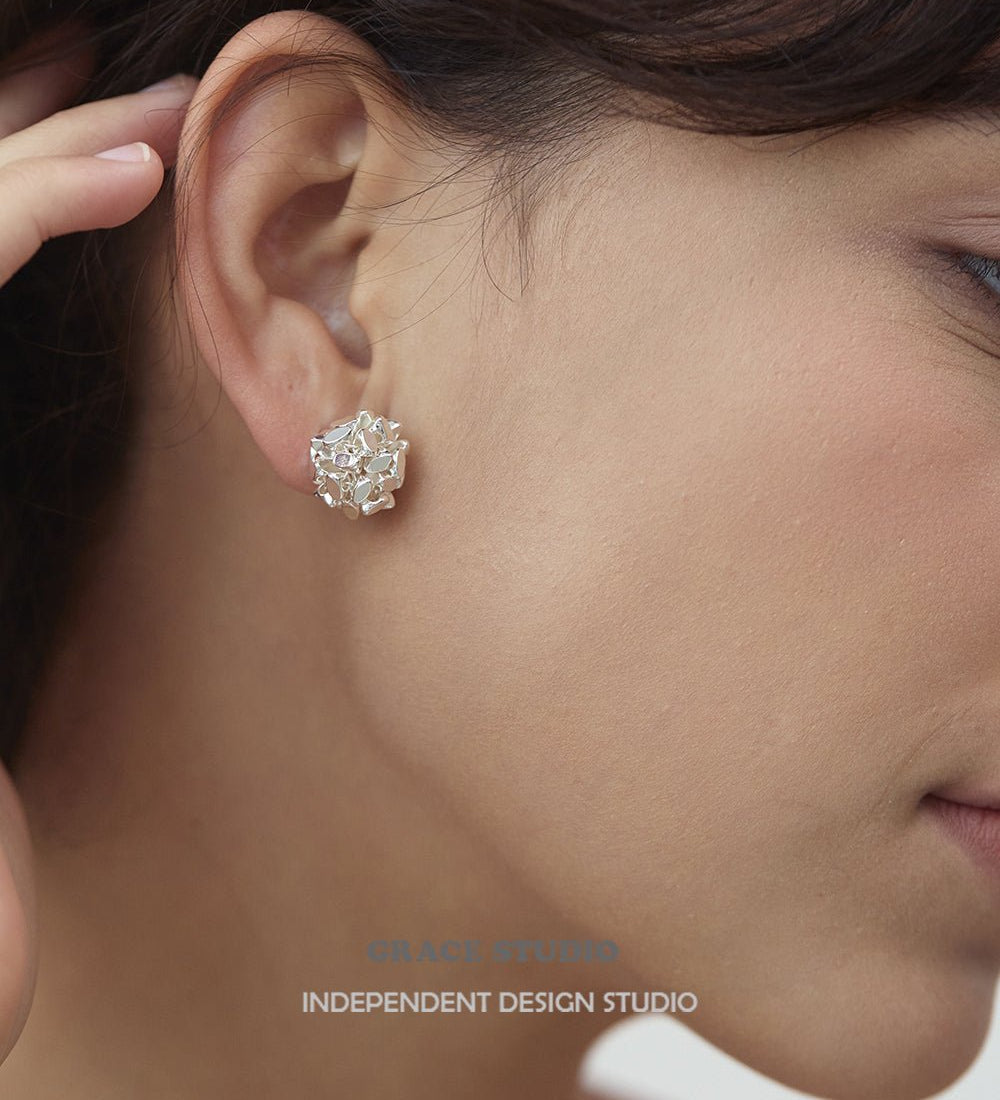
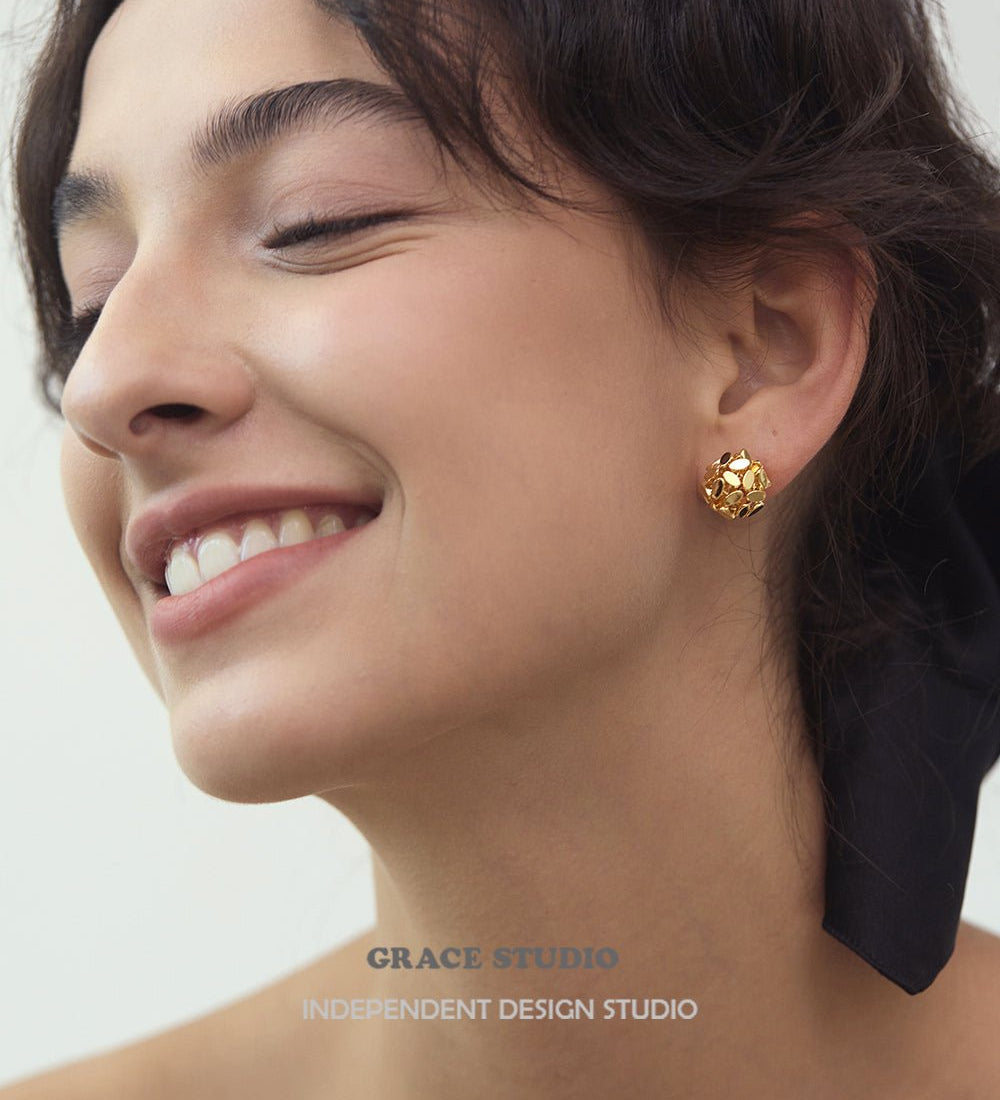
Fashion Jewelry Brand: Grace Studio

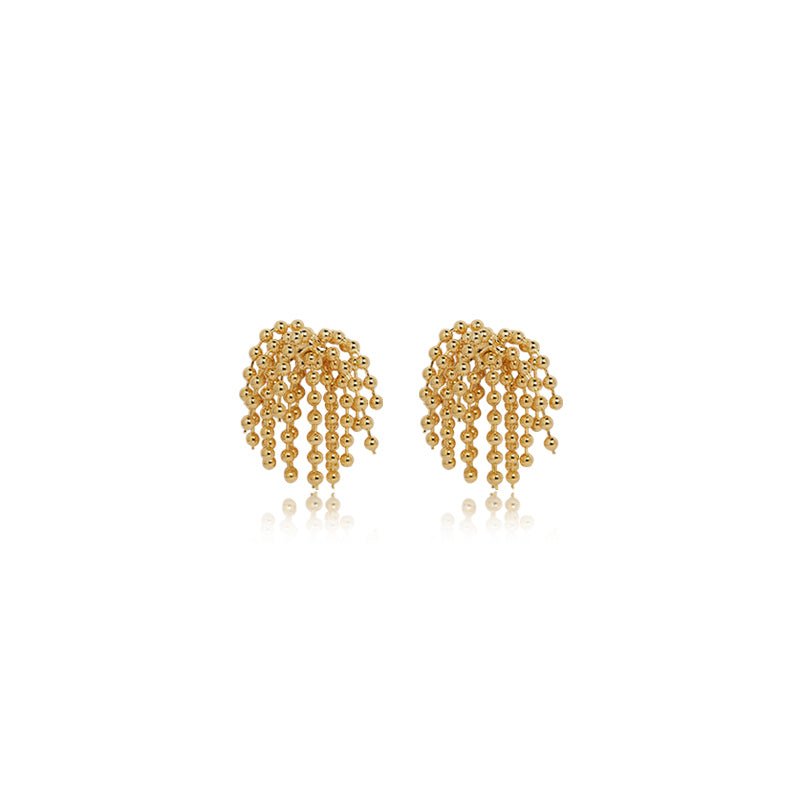
Grace Studio is a modern fashion jewelry label for everyday wear, think polished chains, pendant necklaces with secure bails and jump rings, and light station pieces that catch the eye without the weight. Materials are clearly stated (plated brass or stainless steel where noted) with crystal and CZ accents for clean, bright sparkle.
You get honest specs, tidy finishing, and reliable clasps at a friendly price, easy to layer, easy to gift, easy to wear. Start with a simple set (a station necklace, a daily pendant, a longer chain) and mix it as your style shifts.
FAQ
Is fashion jewelry real or fake?
Real jewelry, just made from non‑precious materials (base metals with plating, simulated stones), not solid precious metal with natural gems.
What’s the difference between costume jewelry and fashion jewelry?
They’re generally synonyms for non‑precious jewelry, some retailers use “costume” for the cheapest, short‑term pieces and “fashion” for a broader, sometimes more durable range.
Does fashion jewelry tarnish?
Yes. Base metals can tarnish and plating can wear, and many pieces aren’t practical to repair.
What is another name for fashion jewelry?
Costume jewelry.
How do I identify fashion jewelry?
Check the materials line and stamp: base metals with gold/silver/rhodium plating and stones like glass/crystal/CZ = fashion, solid 14k/18k, platinum, or 925 with genuine gems = fine. Always read hallmarks.
What is considered fashion jewelry?
Pieces made from brass/copper/aluminum (or stainless steel) with plating and simulated stones, trend‑led, accessible, great for experimenting with style.
Is fashion jewelry worth it?
Yes, for style on a budget and trying new looks, no, if you want longevity, easy repairs, or intrinsic value. Decide by how often you’ll wear it and how long you expect it to last.
Is fashion jewelry better than fine jewelry?
Neither is “better”. Fashion wins for price and variety; fine wins for durability, serviceability, and long‑term value/heirloom use. Pick based on purpose and wear.
A Short History of Fashion Jewelry
Fashion jewelry isn’t a new idea. People have worn non‑precious beads, glass, and base‑metal adornments for centuries, but the term really comes into focus in the early 20th century. During the Art Deco years, couture houses embraced bold, graphic looks and started pairing garments with eye‑catching pieces made from glass, crystal, and plated metals. Designers like Coco Chanel helped popularize “costume” pieces that were meant to complement an outfit first and price second.
Hollywood then gave costume jewelry its close‑up. On‑screen glamour made oversized pendant necklaces, chandelier earrings, and brooches feel aspirational, even when they were made from glass stones and brass. This visibility moved the look from runway and film sets into regular wardrobes, turning costume jewelry into a mainstream category rather than a novelty. Over time, certain pieces became collectible, well‑kept vintage examples from mid‑century designers are sought after today.
On the other hand, the late 20th century and early 2000s accelerated the trend cycle. Fashion jewelry could mirror runway ideas fast and at approachable prices, so you could try a wide chain, a big cuff, or a dramatic pendant without a long commitment. Retailers describe this category as more playful and impermanent than fine jewelry, the joy is in the quick style update, while fine jewelry stays focused on heirloom value and longevity.
Today, “fashion jewelry” covers everything from bold seasonal statements to clean, everyday pieces. Two things are happening at once, one is that the vintage costume still has a devoted following, and the other is that the modern brands talk more about sustainability and responsible materials as they design new collections. You’ll also see practical, skin‑friendly builds like stainless‑steel chains alongside classic glass‑and‑brass favorites, different paths to the same goal, style you can wear right now.
Glossary (Skimmable)
Bail: The small connector at the top of a pendant. It lets the pendant slide on a chain (often via a tiny ring), so the pendant hangs flat on your neckline.
Jump ring: A little metal ring (usually with a slit) used to join parts, like linking a bail to a chain or attaching a clasp. Opened and closed with pliers, found in many metals and gauges.
Pendant necklace: A chain with a single hanging element (the pendant), typically attached through a bail and sometimes a jump ring. If the hardware is aligned well, the pendant sits centered and moves smoothly on the chain.
Station necklace: A chain with small elements “stationed” at intervals, think tiny bezels, gold orbs, pearls, or diamond stations spaced along the length for light, even sparkle.
Diamond stations: Individual diamonds set at regular points along a chain (often in bezels). The look is airy and balanced, unlike a tennis style where stones are continuous.
Base metal: Non‑precious metals (commonly brass, copper, aluminum) that form the core of most fashion jewelry. Often finished with a thin layer of gold, silver, or rhodium.
Gold‑plated: A very thin layer of real gold applied over another metal (e.g., brass, copper, or silver) by electroplating. There’s no minimum thickness requirement in general usage, so wear shows sooner on high‑friction areas.
Gold‑filled: A much thicker, mechanically bonded layer of gold over a base‑metal core. U.S. standards call for around 5% gold by weight, typically marked “1/20 14K GF” or similar. More durable than standard plating.
Vermeil (U.S. standard): Legally defined, sterling‑silver core plated with at least 10K gold, and a minimum thickness of 2.5 microns of gold on all significant surfaces. If those criteria aren’t met, it shouldn’t be sold as vermeil.
Rhodium‑plated: A bright white, protective finish (rhodium is a platinum‑group metal) commonly applied to white gold and some silver to boost whiteness and resist tarnish. It’s a thin layer that may need periodic re‑plating on high‑wear pieces.
Cubic zirconia (CZ): A lab‑made diamond simulant (cubic crystalline zirconium dioxide). Hard and brilliantly sparkly, widely used in fashion jewelry for diamond‑like shine at a modest price.
Hallmark / stamp: The little mark indicating metal type/purity (e.g., 14K, 18K, PT/PLAT, 925). Useful for telling fine from fashion, always read the materials line and confirm the stamp.
Plating thickness (why it matters): Thicker coatings last longer. For example, U.S. vermeil requires 2.5 microns over sterling silver, standard gold plating has no set minimum, so durability varies brand to brand.








Leave a comment