
Difference Between Dainty and Minimalist Jewelry
If you’ve ever used “dainty” and “minimalist” interchangeably, you’re not alone. Both keep things light, but they speak different dialects of simplicity. Here’s how to tell them apart, and how to wear each, solo or layered, so the look feels considered rather than bare.
- Minimalist = a design philosophy: stripped-down forms, clean lines, little/no ornamentation.
- Dainty = a scale/weight property: thin, light, fine, small‑profile pieces.
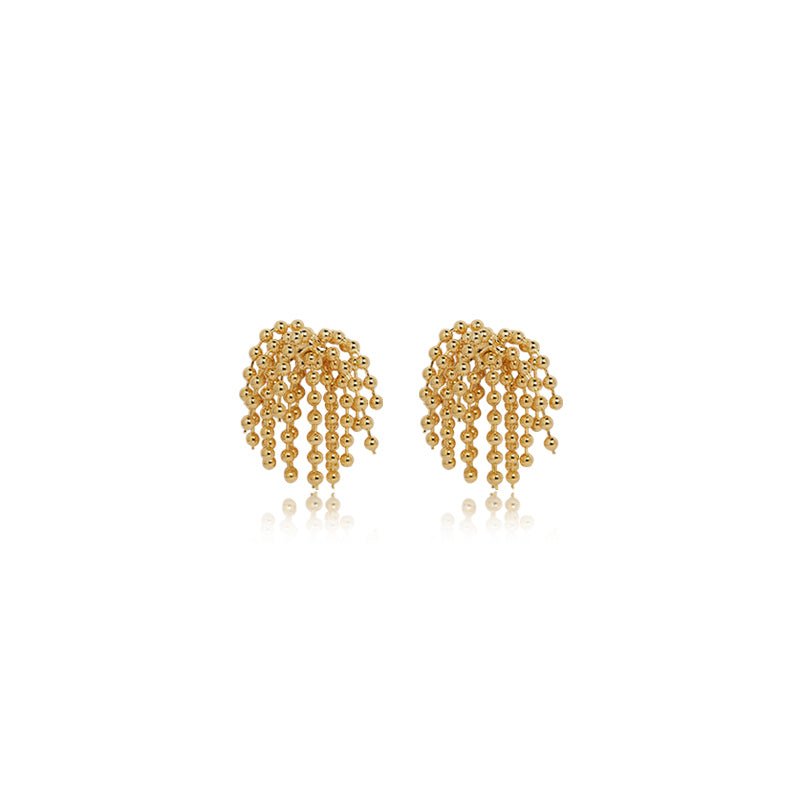
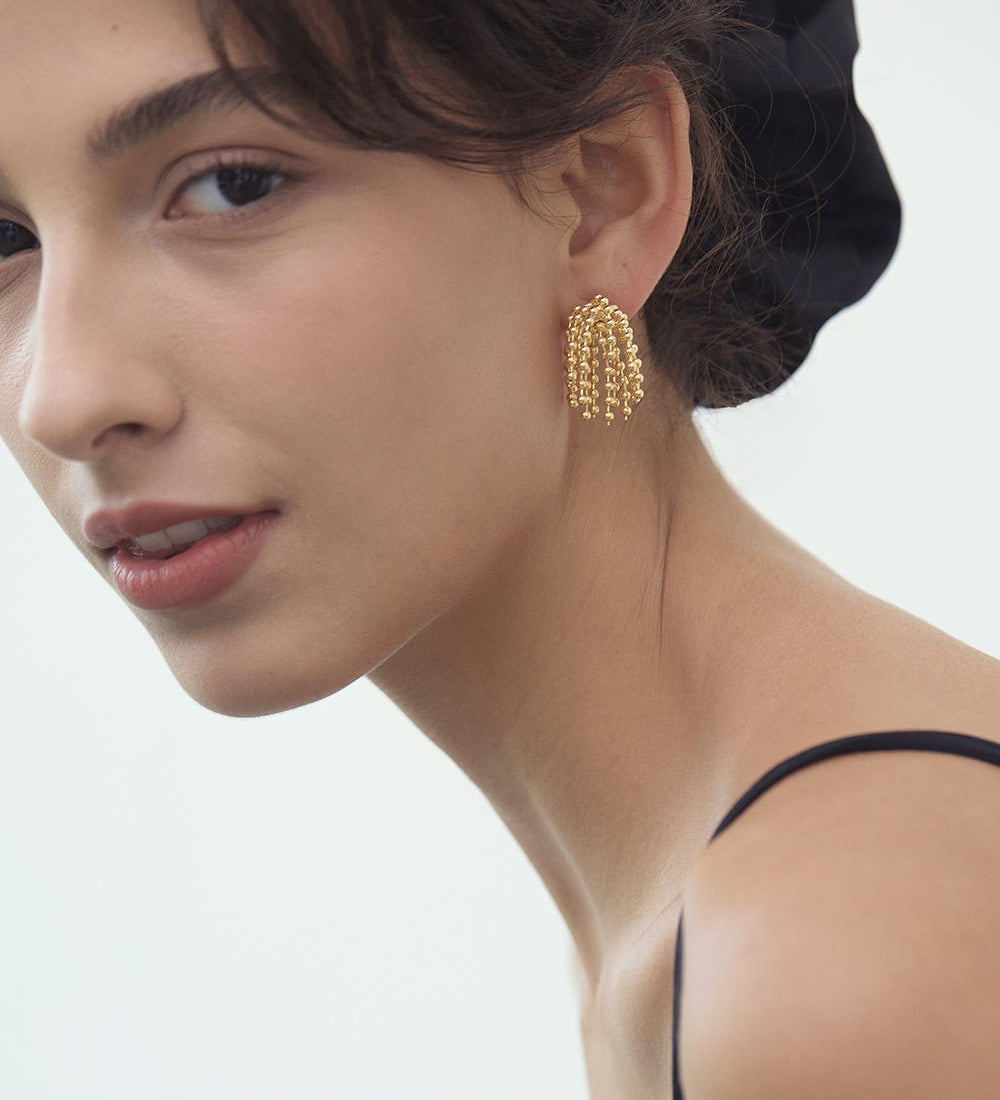
A piece can be minimalist but not dainty (e.g., a wide, plain cuff) or dainty but not minimalist (e.g., a tiny, ornate floral pendant).
Side‑by‑side: Minimalist vs. Dainty
|
Aspect |
Minimalist |
Dainty |
|
What it describes |
Design language (reduction, simplicity) |
Physical scale/visual weight (slim, small, delicate) |
|
Silhouette |
Bars, circles, clean geometric lines, open shapes |
Slim bands, tiny charms, micro pendants, fine chains |
|
Ornamentation |
None or very little, avoids decorative details |
Can be plain or detailed (e.g., micro pavé, filigree) |
|
Stones |
None or very subtle (flush, tiny accent) |
Often small stones, micro pavé common |
|
Negative space |
Often used intentionally |
Not a defining factor |
|
Thickness/scale |
Can be thin or substantial (e.g., bold plain forms) |
Typically thin/mini, low profile |
|
Visual read at thumbnail |
“Clean, quiet, reduced” |
“Light, delicate, fine” |
|
Durability perception |
Neutral, depends on thickness |
Perceived as more delicate, care notes help |
|
Typical keywords |
simple, clean, modern, pared‑back, geometric |
delicate, thin, tiny, fine, micro, petite, stacking |
How to categorize them (Fast tagging rules)
 Tagging on the fly? Think first impression, not theory. Dainty leans on scale (slender, petite, softly detailed), minimalist leans on intent (clean lines, open space, graphic restraint). Use a quick five-second scan, thickness, negative space, detail count, geometry, and shine, and let the majority win.
Tag as Minimalist if ≥2 are true:
- The appeal comes from pure, undecorated form (bar, circle, line, open ring).
- Negative space or clean geometry is a key design element.
- Stones are absent or not the hero (very small/flush).
- If you removed any stones, the piece would still look “complete” and clean.
Tag as Dainty if ≥2 are true:
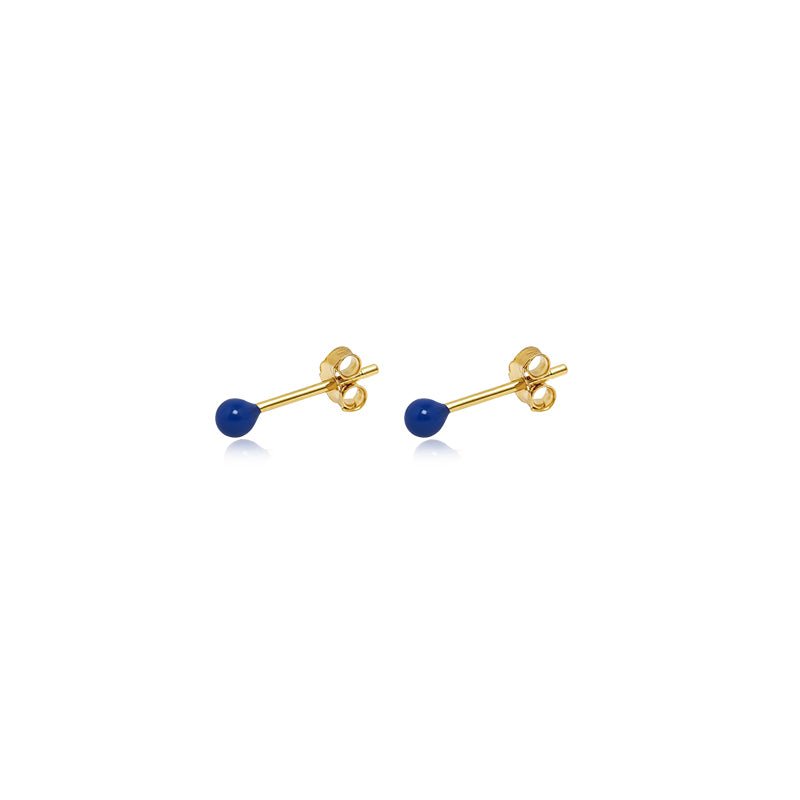
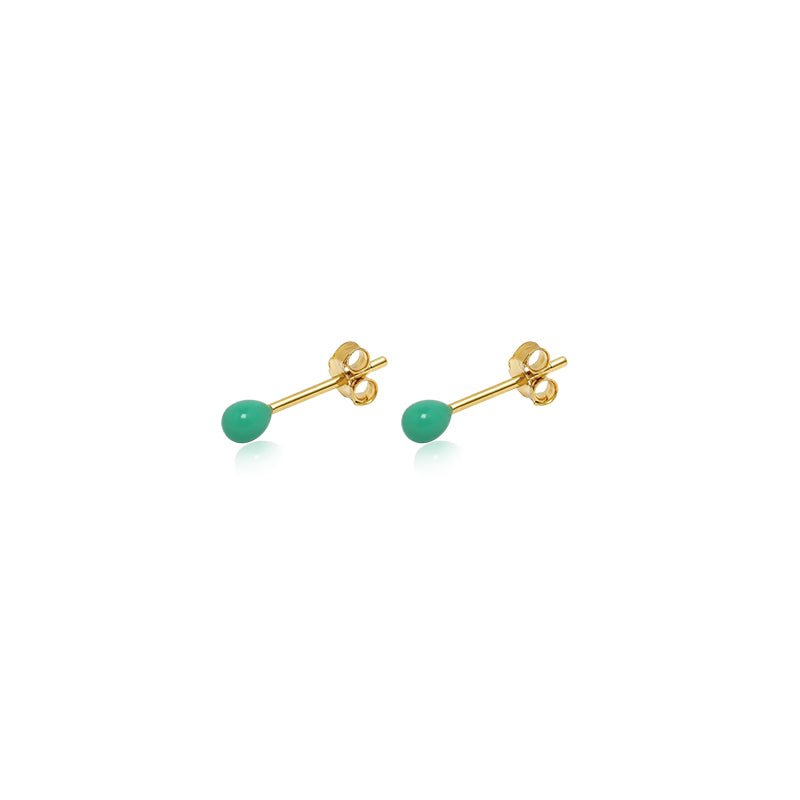
- Very slim dimensions: e.g., ring band ≲ 1.8–2.0 mm, chain ≲ 1.2 mm, tiny studs ≲ 3–4 mm.
- The piece reads light/airy at a glance, “micro” scale.
- Stones, if present, are small (melee/micro pavé).
- Customers would likely pair/stack multiples.
If both fit, pick one primary style:
- Hero is the clean shape → Minimalist primary (Dainty secondary if it’s also slim).
- Hero is the fine scale → Dainty primary (Minimalist secondary only if the design is truly reduced).
Here are minimalist and dainty jewelry examples by category (how I’d tag)
 Let’s make it concrete. Below, I’m walking through rings, earrings, necklaces, and bracelets and noting what I’d tag as minimalist (graphic lines, open space, pared-back forms) versus dainty (slender scale, petite details, soft sparkle).
I’ll call out the quick visual cues. thickness, negative space, geometry, detail count, and shine, so you can see the logic at a glance. If a piece straddles both, I’ll mark it dual-tag and explain why, so merchandising and styling stay aligned.
Rings
- 1.2 mm bar ring, no stones → Minimalist (secondary: Dainty)
- 1.4 mm pavé stacking band → Dainty (not Minimalist, decorative pavé is the hero)
- 6 mm plain dome band → Minimalist (not Dainty, bold scale)
- Micro solitaire on ultra‑thin band → Dainty (secondary: Classic if heritage‑led)
Earrings
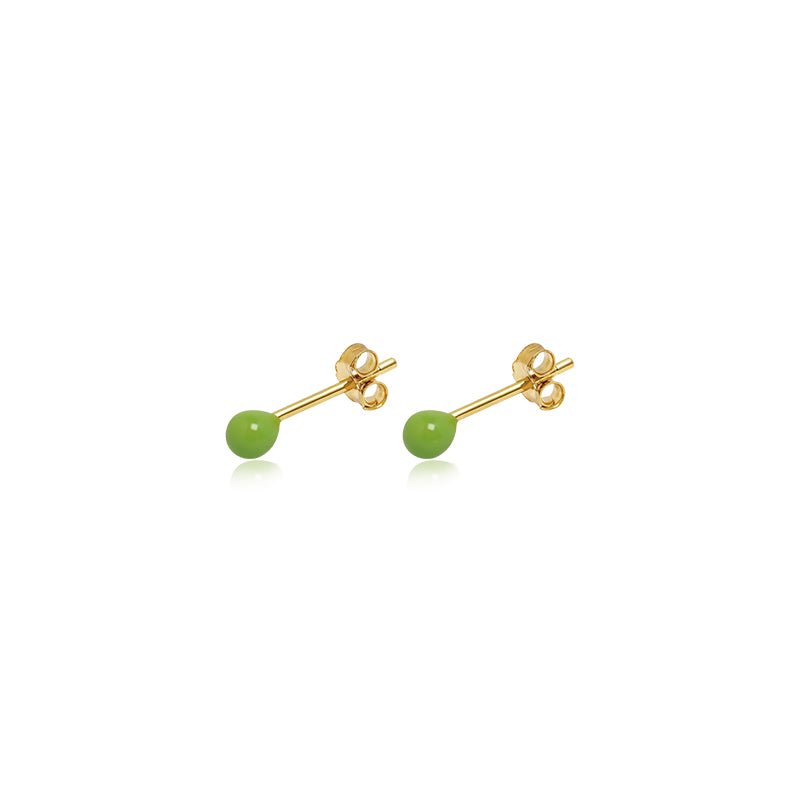
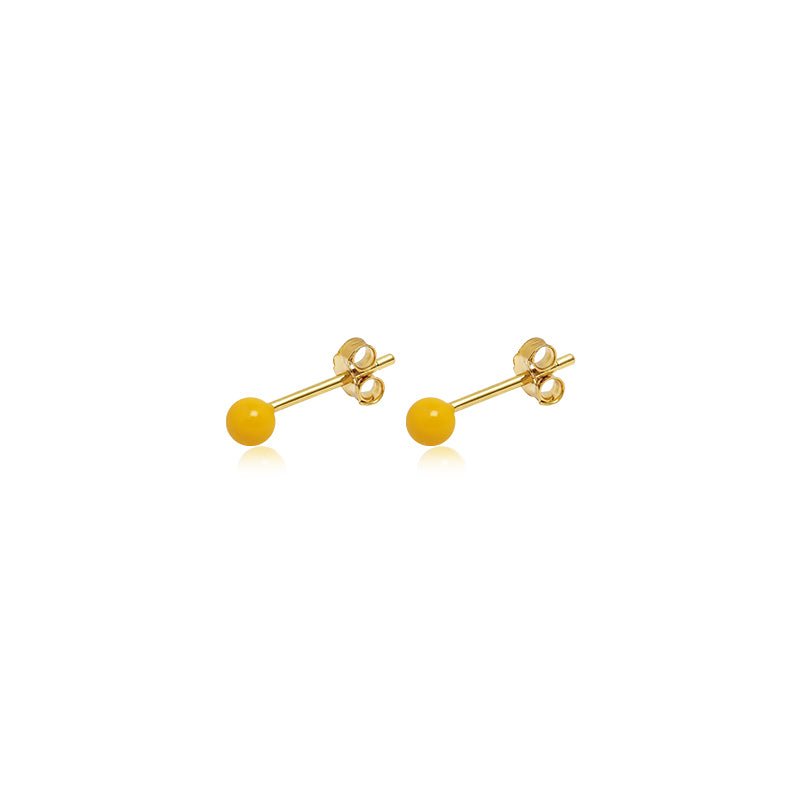
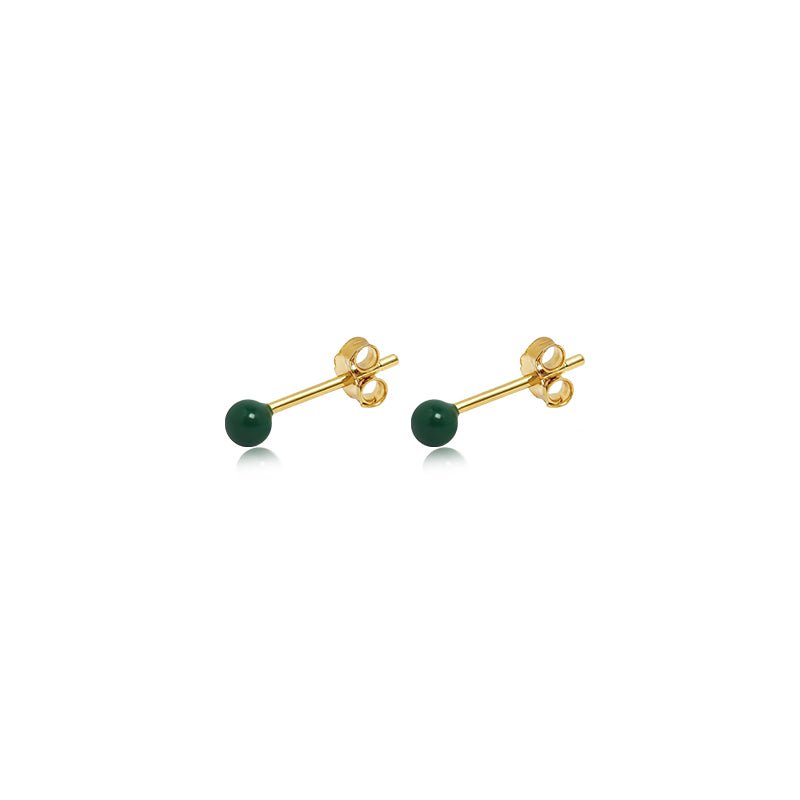
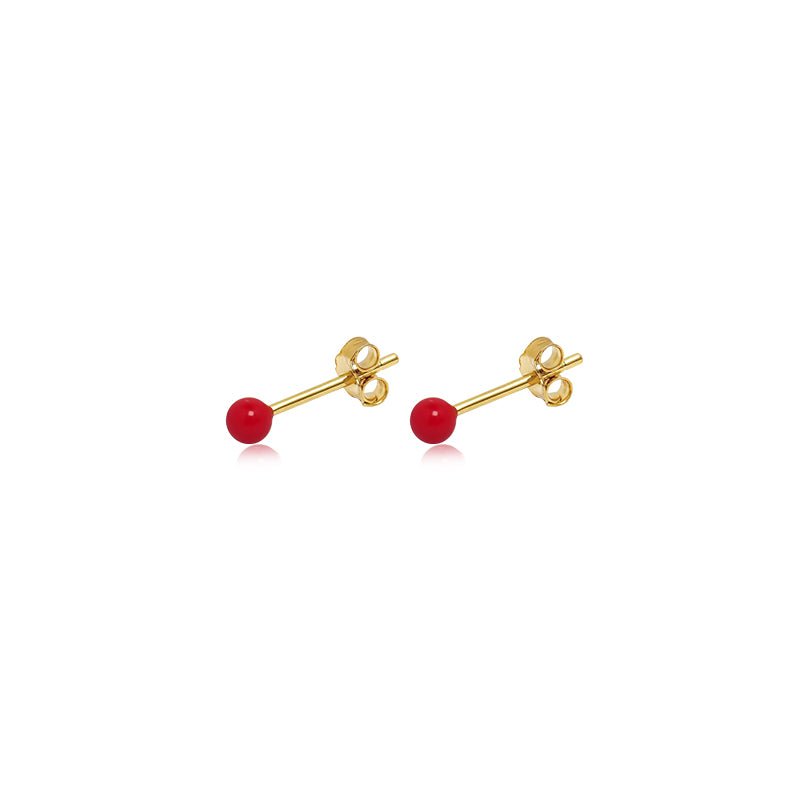
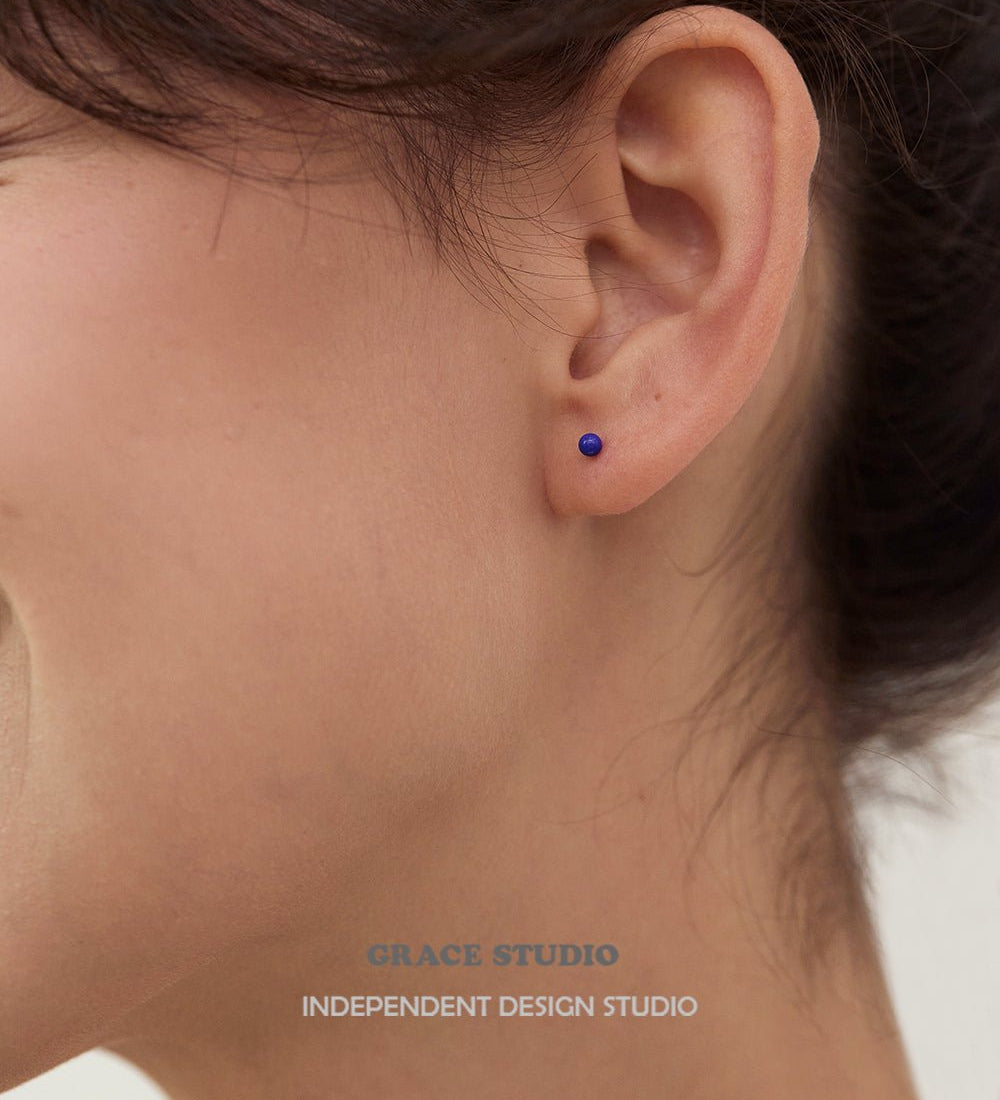
- Tiny 2 mm dot studs → Dainty + Minimalist (pick one primary based on product story)
- Long wire threaders (ultra‑fine) → Dainty (can add Minimalist if undecorated)
- 25 mm plain flat hoops, moderate thickness → Minimalist (not Dainty)
Necklaces
- Open circle pendant on fine chain → Minimalist (secondary: Dainty if micro scale)
- Tiny heart with micro pavé → Dainty (motif, Heart, not Minimalist)
- Wide plain torque collar → Minimalist (bold, not Dainty)
Common edge cases (how to decide)
 Some pieces live in the grey zone, micro‑pavé bars, slim signets, airy threaders, where “dainty” and “minimalist” blur. When your eye hesitates, trust a quick gut check: do you notice sparkle or shape first? Here’s a simple way to make the call with confidence, without overthinking the fine print.
- Thin pavé bands: visually delicate → Dainty, not Minimalist (pavé = ornament).
- Plain but wide cuffs/hoops: reduced form → Minimalist, not Dainty.
- Micro geometric studs (triangle/circle): both may apply → choose the primary based on your hero message (clean shape vs. tiny scale).







Leave a comment