
What Are the Different Types of Classic Jewelry?
When I think about classic jewelry, I do not really start with a definition. I think about what I keep reaching for. The pieces that somehow survive different outfits, different seasons, different versions of my wardrobe.
A pair of diamond studs. Small gold studs. Hoops. A pearl necklace. A pendant. A slim bangle. A tennis bracelet. A simple diamond band.
For myself, those are the pieces I would keep near the center of a classic jewelry collection. Easy to wear. Easy to repeat. You usually do not need to build a whole outfit around them.
I also do not think every classic piece has to be tiny, expensive, or made with natural diamonds. Shape and proportion matter more to me. So does how naturally the piece fits into your wardrobe. A lab-grown diamond stud can still read as classic. A stainless steel hoop can too. Same with a simple cuff.
So I'd rather skip the long definition and get to the useful part: the jewelry we actually come back to.
Quick Classic Jewelry Starter Guide
If you want to start small, I would choose one piece from the category you already wear most.
| Category | Good starting point | Why it works |
|---|---|---|
| Earrings | Small studs or medium hoops | Easy to repeat across casual and dressier outfits |
| Necklaces | Simple pendant | Adds one focal point without taking over the neckline |
| Bracelets | Slim bangle or fine chain | Works alone, beside a watch, or in a stack |
| Rings | Simple gold or diamond band | Easy to wear alone or stack later |
| Pearls | Studs or one pearl pendant | Less formal than starting with a full strand |
Classic Earrings
If I were starting from scratch, I would probably begin with earrings. They are the easiest category for me to repeat without thinking much about the rest of the outfit.
The main classic earring styles I would include are:
- Diamond stud earrings
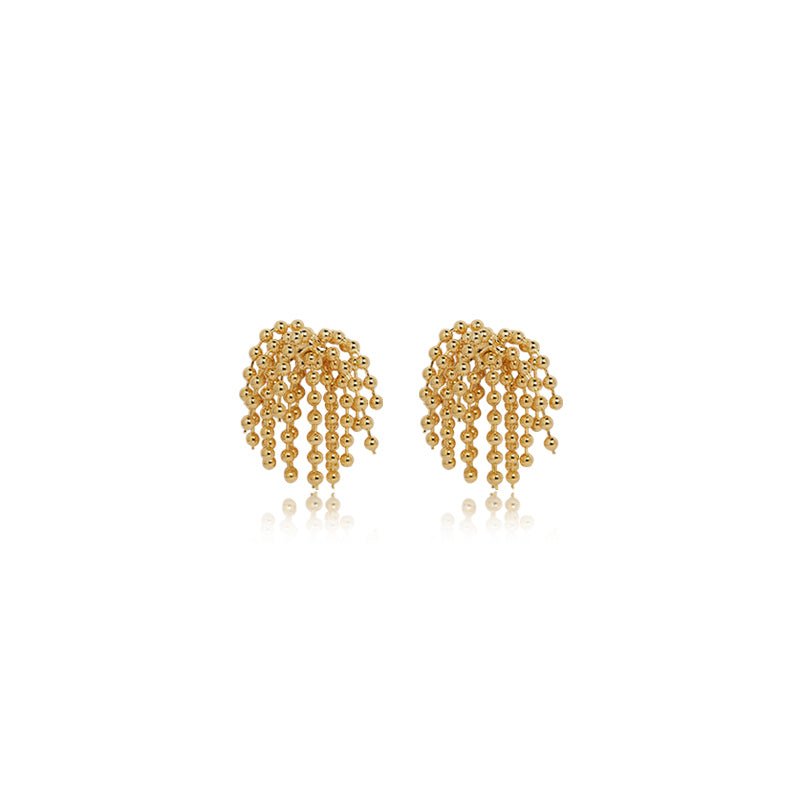
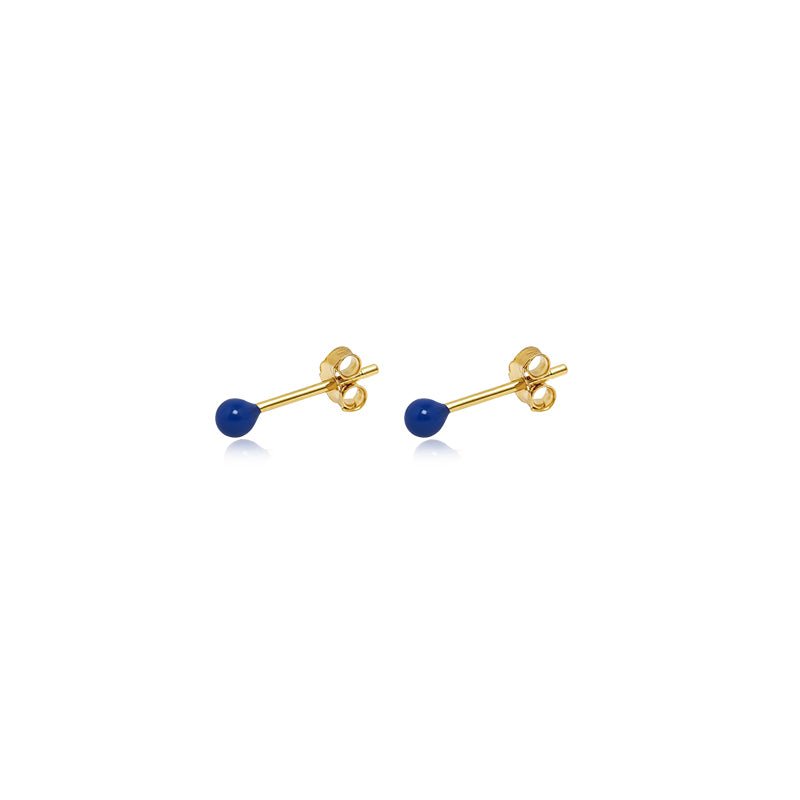
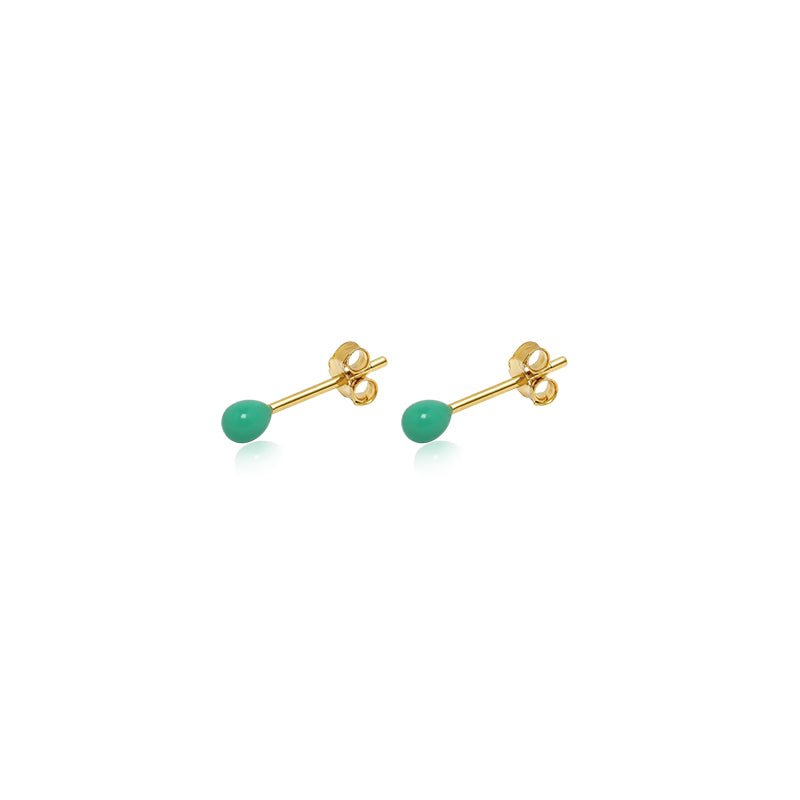
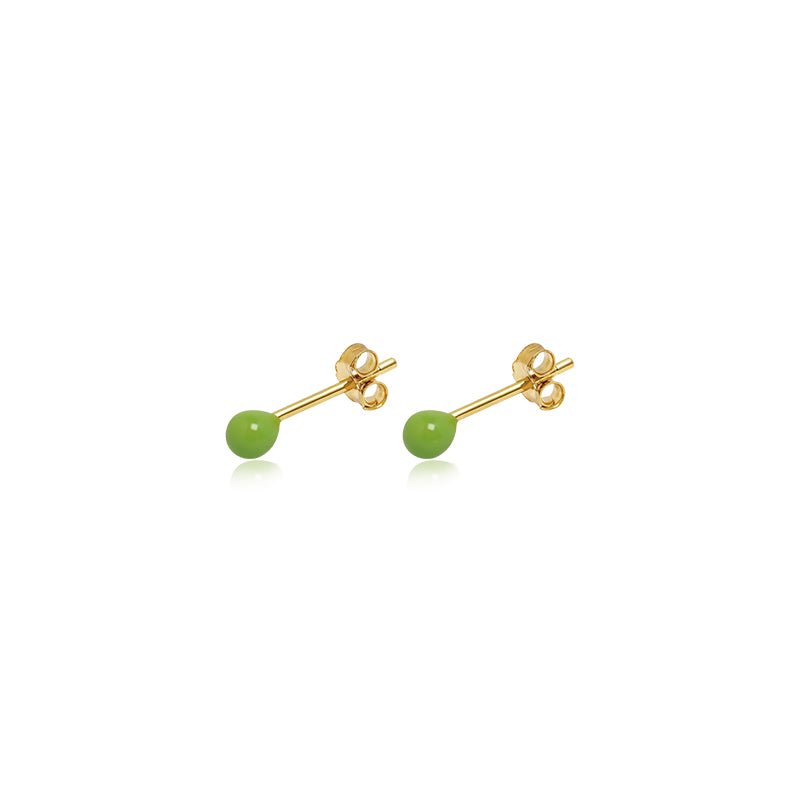
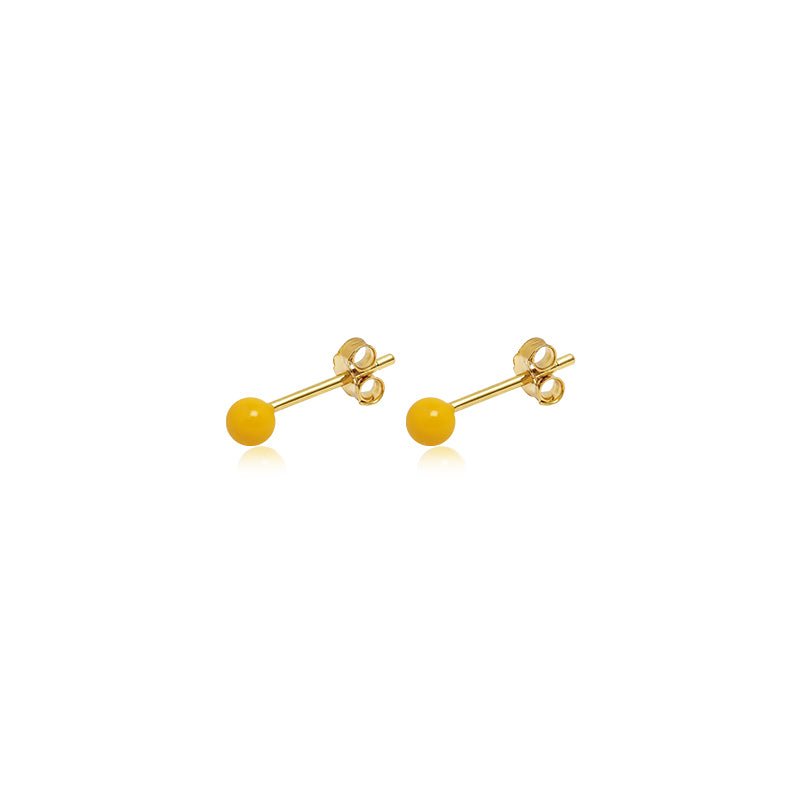
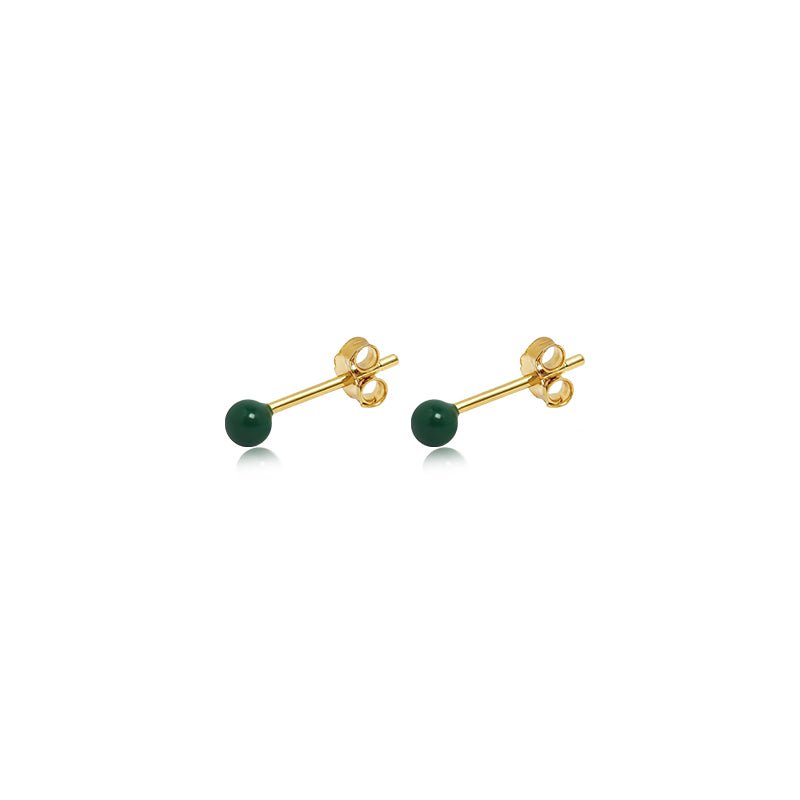
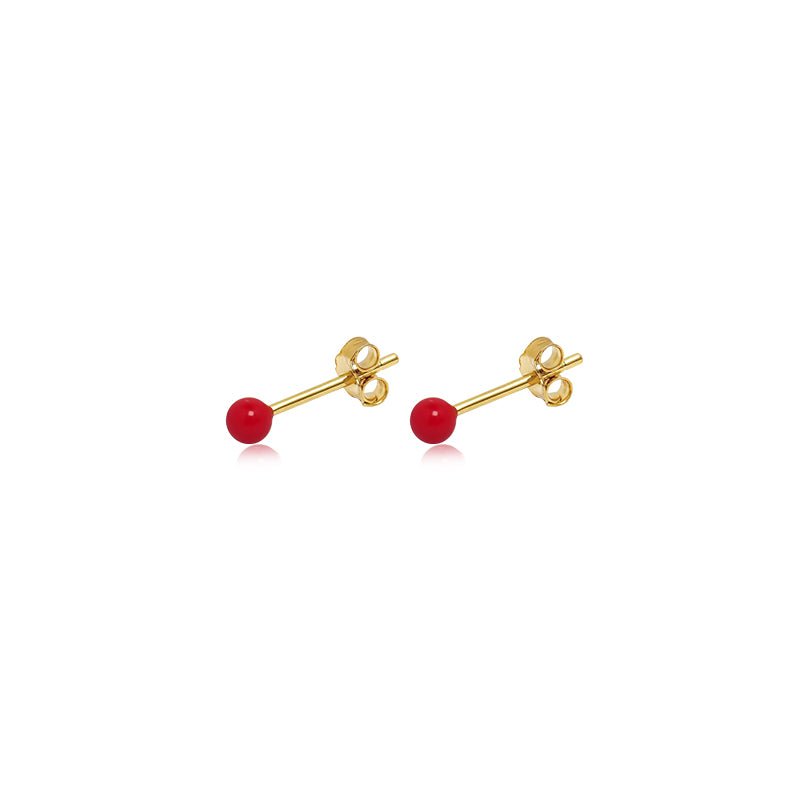
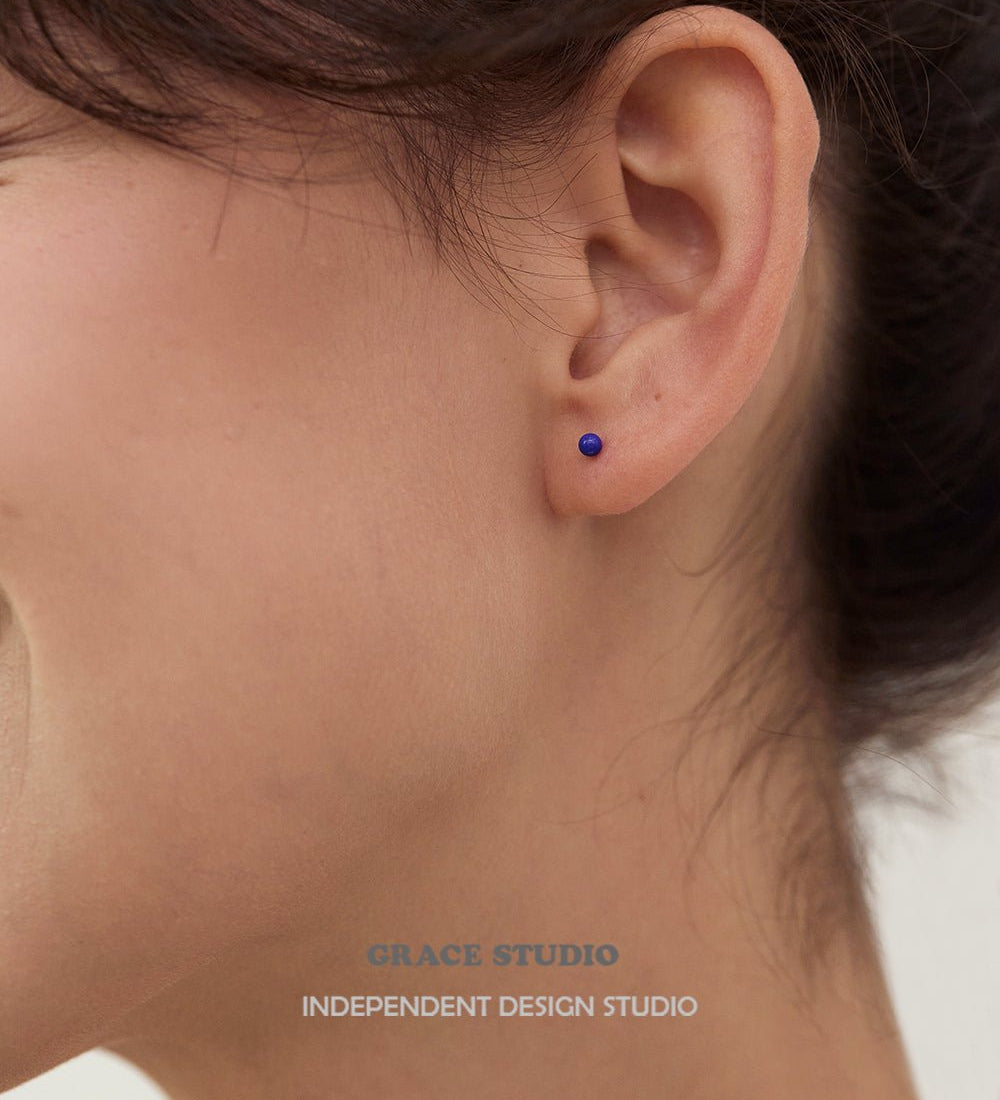
- Simple gold studs
- Small or medium hoop earrings
- Pearl stud earrings
- Pearl drop earrings
Diamond Stud Earrings

(https://gracestudiofine.com/products/a206-1)
Diamond studs are probably the first thing many of us picture. Fair enough.
I understand why. I have always found diamond studs easy with a white shirt, knitwear, a blazer, a black dress, or something much more casual. The design stays quiet enough that the stone can do the work.
For myself, I care more about proportion than chasing the biggest stone. Bigger is not always easier. A smaller pair that sits neatly against the ear may end up getting far more wear.
If you are buying a pair, I'd check how both stones sit, how secure the backs feel, whether the settings feel smooth, and whether either stone moves. Small things. But they tell you more than size alone.
I would not limit this style to natural diamonds either. If the design is simple, lab-grown diamond studs can give you the same familiar shape. To me, the classic part is the design. Not the origin story of the stone.
Simple Gold Studs

(https://gracestudiofine.com/products/e195)
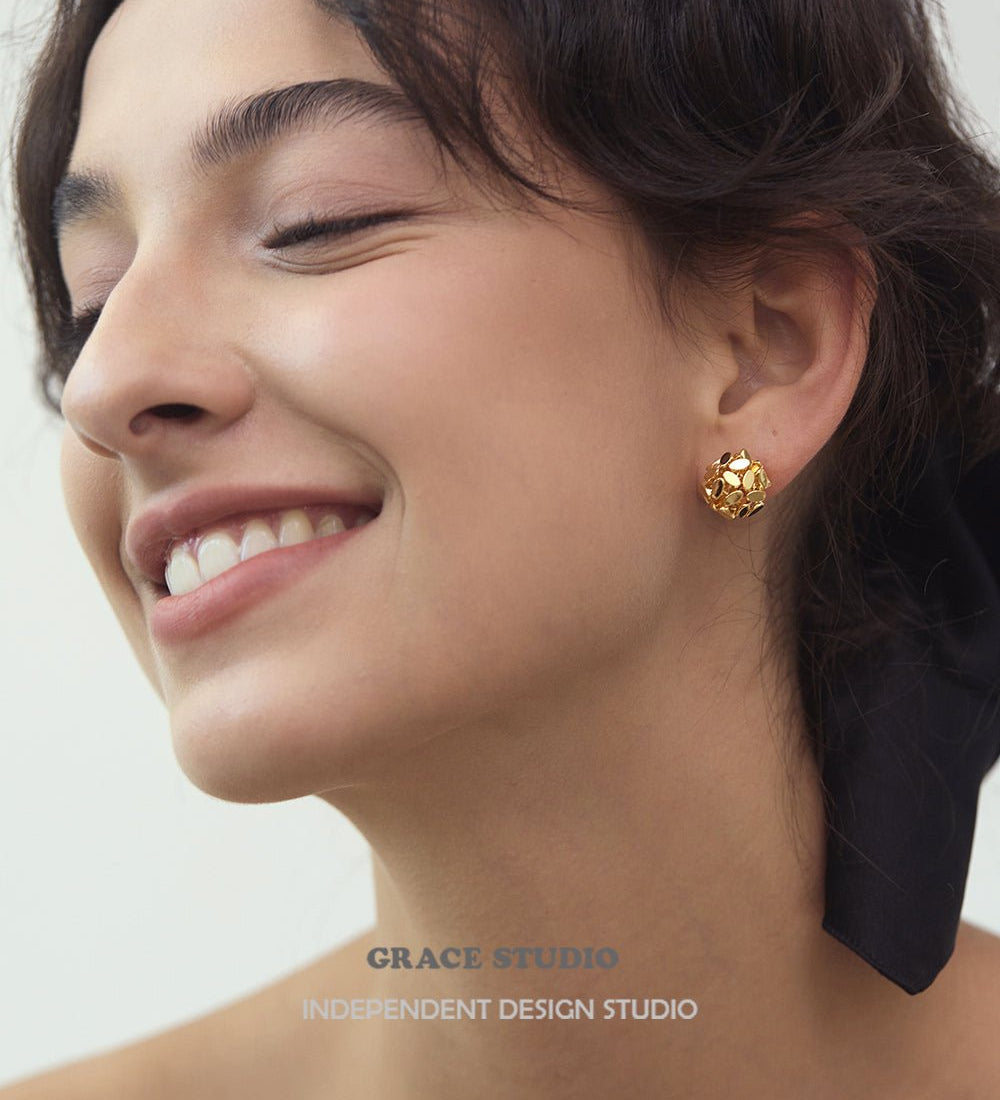
Plain gold studs are quieter than diamond studs. I still keep them high on my own list.
They do not ask for much from the rest of the outfit. T-shirt? Fine. Button-down? Fine. Knit, dress, blazer? Usually fine too.
For regular wear, I usually stay with a small or medium size. If you have more than one piercing, you can add huggies, hoops, or tiny diamond studs around them without making the ear feel crowded.
The practical check is simple: straight posts, secure backs, no rough edges.
Small and Medium Hoop Earrings

(https://gracestudiofine.com/products/minimalist-silver-round-hoops)
I do not really think of hoops as one passing trend anymore. The details change. Size. Thickness. Finish. Styling. The basic form sticks around.
For a classic collection, I personally start with a small or medium hoop size.
Small huggies tend to sit close to the ear and feel neat. Medium hoops give you more presence. I still find both easy to wear across casual clothes, workwear, and evening outfits.
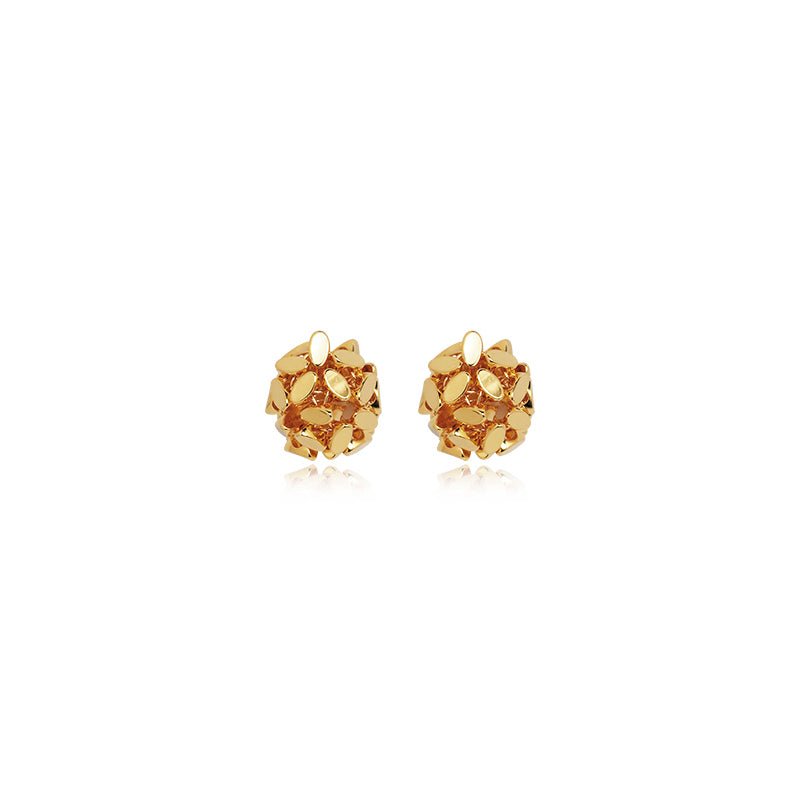
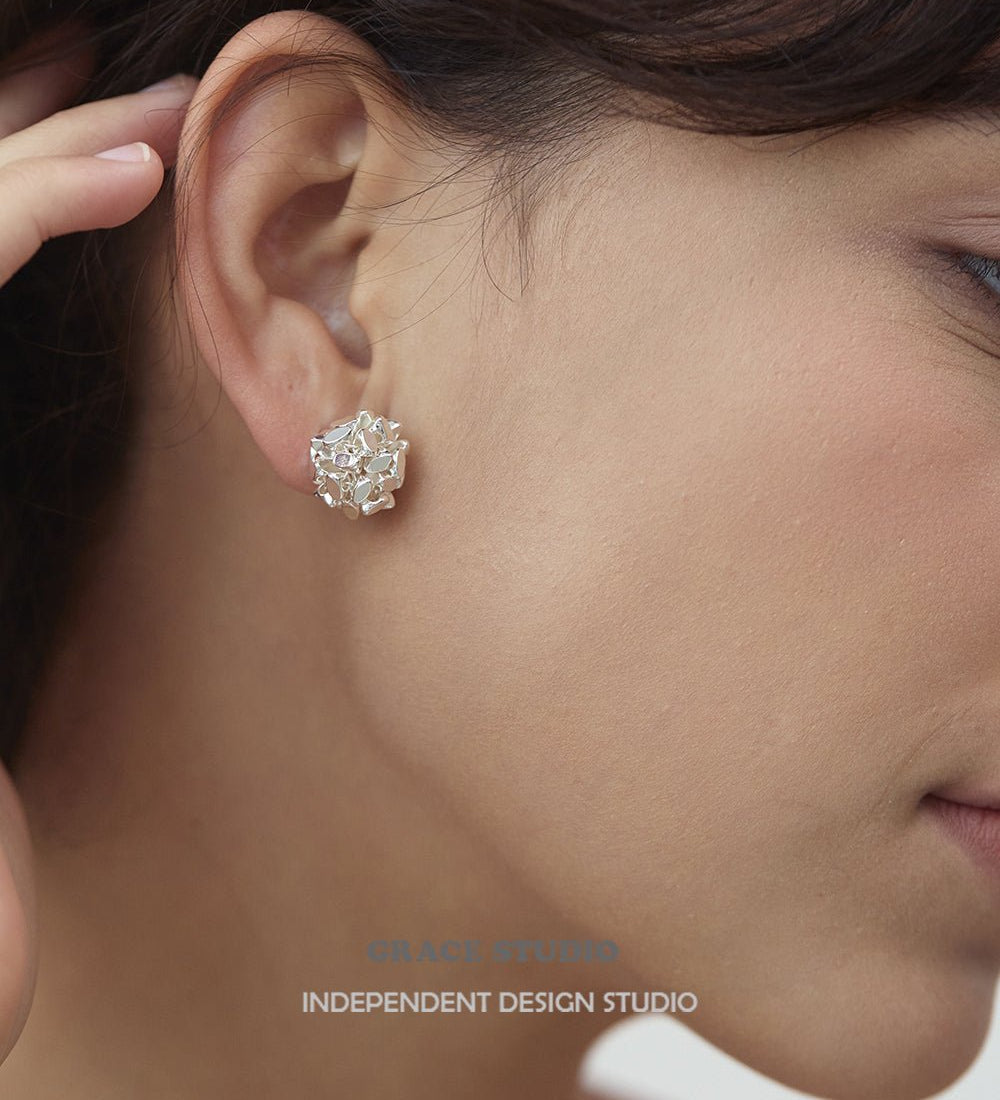
Once that base is covered, you can add thicker, textured, pavé, or more sculptural hoops if they suit your style.
Pearl Stud Earrings

(https://gracestudiofine.com/products/glossy-pearl-stud-earrings)
Pearl studs get their own place on my list.
They can look traditional, but I do not think they have to feel formal. I like them with a white shirt, a knit, a simple black top, or a blazer. Especially when I want the outfit to feel a little softer.
If you want the stud to sit closer to the ear, button-shaped pearls may be worth trying. The back is flatter. Round pearls give you the more familiar spherical look.
What I would care about most is how well the pair matches in size, color, luster, and overall shape. Those same details can also affect pearl earring prices.
Pearl Drop Earrings

(https://gracestudiofine.com/products/a174-1)
Pearl drops feel a little more dressed than studs to me. Still classic, though.
I usually like them best when the design stays simple. One pearl. One clean hook or setting. Not much else.
Drop, teardrop, oval, or baroque pearls can all work. The shape changes the feel, especially when wearing drop earrings with different lengths and outfits.
Classic Necklaces
Moving to necklaces, these are the styles I would keep:
- Simple pendant necklace
- Solitaire diamond pendant
- Pearl pendant
- Pearl necklace
- Tennis necklace
- Diamond station necklace
- Simple gold chain
Simple Pendant Necklace

(https://gracestudiofine.com/products/a242)
A pendant necklace is one of the easiest classic pieces for me to live with. Very low effort.
It gives you one small focal point without taking over the whole neckline. A round stone can work. A bezel-set diamond can work. So can a pearl or a simple metal charm. It depends on what you actually wear.
I usually prefer a pendant that feels balanced with the chain. Too heavy, and you notice it fast: the chain pulls forward, the pendant tilts, or both.
Solitaire Diamond Pendant

(https://gracestudiofine.com/products/a351-1)
To my eye, a solitaire diamond pendant is probably the cleanest version of the classic pendant idea.
One stone. One chain. Very little else.
That simplicity is exactly why I keep coming back to it.
You can wear it alone, layer it with other pendant necklaces, tuck it under a blazer, or leave it visible with an open shirt. I like that it does not need much planning.
Pearl Pendant

(https://gracestudiofine.com/products/a058)
If a full pearl strand feels too formal, a pearl pendant is one of the easier ways in. At least, that is where I would start.
One pearl on a clean chain is much quieter than a full necklace.
Round works. Drop works. I especially like baroque pearls when I want the pearl itself to feel less uniform and a little more individual.
Pearl Necklace

(https://gracestudiofine.com/products/a154)
A pearl necklace is probably one of the most recognizable pieces on any classic-jewelry list. No surprise there.
I still think we make pearls harder to wear than they need to be.
You do not have to reserve them for formal dresses. Styling a pearl necklace with simpler clothes can change the whole feel. I would happily wear a pearl strand with an open white shirt, a plain black T-shirt, a soft knit, a blazer, or a simple dress.
For a first strand, I'd choose the necklace length around your actual wardrobe. Not a generic chart.
Tennis Necklace
A tennis necklace is the necklace version of the tennis bracelet: a continuous line of stones.
It has more visual presence than a small pendant, so I would not call it effortless. Still, I can see why people keep returning to it. The design is clean. Familiar. Easy to recognize.
What I care about most is how it sits. Ideally, it follows your neckline smoothly. No twisting, flipping, or stiff little sections.
Diamond Station Necklace
A diamond station necklace spaces stones along a finer chain instead of creating one continuous row.
I like this style when you want sparkle without the visual weight of a full tennis necklace.
The spacing becomes important. The stones should sit evenly, and the small connecting rings should look neat and secure.
Simple Gold Chain

(https://gracestudiofine.com/products/a043)
A plain gold chain may be one of the least dramatic pieces here. For me, that is the appeal.
You can wear it alone, add a pendant, or use it as the shortest layer. The necklace chain style can also change how much texture or presence it has. I like pieces that can switch jobs like that.
Classic Bracelets
For bracelets, these are the ones I would keep:
- Tennis bracelet
- Slim bangle
- Simple chain bracelet
- Classic cuff
Tennis Bracelet
A tennis bracelet gives you one continuous line of stones around the wrist. Polished, yes. Complicated, no.
Before buying one, I always check the movement. I want drape, not stiffness.
Each link should move freely. The clasp should close securely.
Slim Bangle

If you are unsure where to start with bracelets, I would probably point you toward a slim bangle first.
I like that it can work alone, sit beside a watch, or join a stack later. No rush.
A clean, narrow bangle can work with a T-shirt, blazer, or evening dress.
Simple Chain Bracelet
A fine chain bracelet is another quiet classic I like for everyday wear.
It is less rigid than a bangle and usually feels lighter on the wrist.
I like it when you want something visible at the wrist but do not want it fighting with a watch or your rings.
Classic Cuff

(https://gracestudiofine.com/products/a223)
I think a cuff can still feel classic. The shape just needs to stay clean.
For myself, I choose smooth edges and a simple profile. I am less interested in a cuff that depends on one very seasonal detail.
A narrower cuff is usually easier for everyday wear. A wider cuff can still work, but it starts to become more of a focal piece.
Classic Rings
For rings, these stay on my list:
- Diamond band
- Anniversary band
- Simple gold band
- Eternity band
- Half-eternity band
Diamond Band

(https://gracestudiofine.com/products/a351-2)
A diamond band is one of the easier rings for me to wear. Alone works. Stacked works too.
It gives you sparkle without needing a large center stone.
Comfort comes first for me here. I want smooth prongs and even stones, especially if the ring is going to be worn often.
Anniversary Band

An anniversary band often overlaps with the diamond-band category. I do not treat it as a completely separate design family.
The name usually describes the reason for buying it rather than a completely different construction.
You may see full-eternity, half-eternity, or spaced diamond designs.
Simple Gold Band

(https://gracestudiofine.com/products/a141)
A plain gold band is about as uncomplicated as jewelry gets. That is exactly why I keep it on the list.
That is also why it belongs here.
You can wear it alone, stack it, or use it beside a diamond band.
Eternity and Half-Eternity Bands

An eternity band carries stones all the way around.
A half-eternity band keeps the stones mainly across the visible upper half.
The full version gives you sparkle from every angle. The half version can be more practical.
I do not think one automatically wins.
Classic Watches
I also include a simple watch in the broader classic-jewelry category, especially if you already wear one most days.
The watches that feel most classic to me usually have:
- A clean dial
- A simple case shape
- A restrained metal bracelet or leather strap
- Limited decoration
You do not need a lot happening on the face.
A clean metal watch can also sit nicely beside a slim bangle or chain bracelet, especially when choosing jewelry for office wear.
Classic Jewelry by Situation
The same collection does not need to cover every situation equally.
| Situation | Easy option | Keep in mind |
|---|---|---|
| Everyday casual | Studs, hoops, simple chain | Comfort matters more than extra detail |
| Office | Studs, pendant, slim bangle | Choose pieces that do not snag or distract |
| Dinner or event | Pearl drops, tennis bracelet, diamond band | One stronger piece is often enough |
| Travel | Studs, hoops, pendant | Favor pieces that are easy to pack and replace |
| Minimal wardrobe | Hoops, pendant, simple band | Choose shapes that work with many necklines and colors |
A Short List of Classic Jewelry I Would Start With
If the full list feels like too much, I would narrow it down to the pieces that cover the most situations:
- Diamond studs or simple gold studs
- Small or medium hoops
- Simple pendant necklace
- Pearl necklace or pearl pendant
- Slim bangle or chain bracelet
- Diamond band or simple gold band
- Tennis bracelet if you like more sparkle
- Clean watch if you wear one regularly
You definitely do not need all eight. Think of it as a menu, not homework.
If you never wear bracelets, skip them. If pearls are not your thing, I would not buy them because somebody else called them essential.
For myself, I would much rather have four pieces I actually wear than ten so-called "must-haves" sitting in a box. It also helps to store jewelry so the pieces you use most stay visible and easy to reach.
Classic Design Does Not Require One Specific Material
I think the same design can still feel classic even when the material changes. The material matters. It just is not the whole story.
For fine jewelry, gold and platinum are common because they wear well with proper care and work naturally with diamonds and pearls. If you are comparing price and longevity, the difference between gold-plated and solid gold matters.
We also see lab-grown diamonds used in classic designs such as studs, solitaire pendants, tennis bracelets, tennis necklaces, and diamond bands.
At a lower price point, stainless steel jewelry can also work for classic shapes such as studs, hoops, bangles, and simple chains.
I tend to separate "classic design" from "fine-jewelry material." They overlap sometimes. They are not the same thing to me. Material becomes more important if you are specifically looking for jewelry that resists tarnish.
Classic Materials at a Glance
The design can stay classic while the material changes the price, upkeep, and longevity.
| Material | Good for | Watch for |
|---|---|---|
| Solid gold | Frequent wear and long-term pieces | Higher upfront cost |
| Gold-plated | Lower-cost classic shapes | Plating can wear with friction and moisture |
| Platinum | Fine jewelry and secure stone settings | Higher price and heavier feel |
| Stainless steel | Everyday hoops, studs, chains, bangles | Less traditional for fine-jewelry buyers |
| Lab-grown diamond | Studs, bands, tennis styles | Resale may differ from natural diamonds |
The Small Construction Details I Check
For me, a classic shape is not enough. If the piece feels uncomfortable or badly made, I am out.
This is where I slow down.
For earrings, I check posts, backs, hinges, rough edges. Quick scan.
For necklaces, I look at clasps, jump rings, bails, and whether the pendant hangs straight.
For bracelets, I check the clasp, link movement, twisting, kinking.
For rings, I run a finger over the prongs and settings. Anything rough or loose gets my attention. If something does need fixing, knowing the problem makes a jewelry repair quote easier to understand.
If a piece catches on a sweater in the store, I assume it may keep doing that at home. I do not expect bad manners to disappear after checkout.
Quick Construction Check Before Buying
A classic shape is much more useful when the piece is comfortable and well built.
| Jewelry type | Check first | Warning sign |
|---|---|---|
| Earrings | Posts, backs, hinges | Loose backs, rough edges, weak hinges |
| Necklaces | Clasp, jump rings, bail | Open rings, twisting pendant, weak closure |
| Bracelets | Clasp and link movement | Stiff links, kinks, loose closure |
| Rings | Prongs and setting | Rough prongs, movement, uneven stones |
| Pearls | Matching and stringing | Loose knots, stretched thread, visible gaps |
How I Would Build a Classic Jewelry Collection Over Time
I would not buy everything at once. I have found it easier to learn what I actually need after living with a few pieces first.
I start with the category you already wear most.
If you wear earrings every day, begin with studs and hoops.
If you wear necklaces more, start with a pendant and maybe pearls.
If you always wear a watch, add one bracelet that works beside it.
Then I wait.
Wear them. Notice what you keep reaching for.
You may find that your "essential" is not somebody else's. Completely normal.
For me, a classic jewelry collection works best when it reflects your habits. Not someone else's checklist.
Does Classic Jewelry Need to Be Expensive?
No.
I think a classic shape can exist at very different price points. We see that all the time.
The expensive version may use solid gold, platinum, natural diamonds, or high-quality pearls.
A lower-priced version may use stainless steel, plated metal, lab-grown diamonds, or other materials.
The design may still read as classic even when the material and price point change. What changes is how it wears, ages, and can be repaired.
If your budget is limited, I'd rather buy one comfortable, well-made piece in a classic shape than stretch the budget across several pieces you do not really need.
Does Classic Jewelry Hold Its Value?
Sometimes. But I keep resale value separate from whether a piece looks classic.
A piece can look classic and still have weak resale value.
Resale can depend on brand, materials, condition, paperwork, current demand, gold weight, stone quality, and whether the piece is signed.
So I would not buy a piece because somebody called it "timeless" or "investment jewelry." I want to know what I am actually buying.
If resale matters to you, research that separately. A classic-looking design does not automatically mean strong resale.
Frequently Asked Questions
Are Lab-Grown Diamonds Still Classic?
I would say yes, especially when the design itself is classic.
Diamond studs, tennis bracelets, solitaire pendants, and diamond bands can all keep the same clean shape with lab-grown stones.
For me, "classic" describes the design more than the origin of the diamond.
Can Stainless Steel Jewelry Be Classic?
I would say yes, at least visually.
A stainless steel hoop, stud, bangle, or simple chain can still use a classic shape.
Do Pearls Still Count as Classic Jewelry?
I would say yes.
Pearl necklaces, pearl studs, pearl drops, and pearl pendants all belong on the list.
The styling changes how formal they feel. That is why wearing pearls casually can work just as well as saving them for formal outfits.
Final Thoughts
If you ask me what classic jewelry actually includes, I'd still give you a list before I give you a definition.
Diamond studs.
Gold studs.
Small and medium hoops.
Pearl studs and drops.
Simple pendant necklaces.
Solitaire diamond pendants.
Pearl pendants and pearl strands.
Tennis necklaces and station necklaces.
Tennis bracelets.
Slim bangles.
Simple chain bracelets.
Classic cuffs.
Diamond bands.
Gold bands.
Eternity and half-eternity bands.
Clean watches.
For me, that is much more useful than trying to decide whether every piece fits one perfect definition of "timeless."
From there, you choose what actually makes sense for your life and wardrobe.
I do not think the point is to own every classic piece. I want to know the options, try what suits me, and keep what I actually wear.
Infographic






Leave a comment