
What Is Dainty Jewelry? My Take on the Small Pieces I Actually Wear
Dainty jewelry is what I reach for when I want to look put together without thinking too much about it.
For me, that usually means a fine chain, small huggies, or a slim ring I can wear all day without noticing it much. You might have the same kind of piece already, like a tiny pendant or simple studs that work with almost everything.
That’s what I like about dainty jewelry. It adds a small detail, fits into your outfit, and doesn’t make getting dressed feel more complicated.
Here’s how I think about it, what I’d count as dainty, and how I’d choose pieces you’ll actually wear often.
What I Mean by Dainty Jewelry
When I say dainty jewelry, I’m usually talking about small, lightweight pieces with fine proportions.
Thin chains. Slim rings. Tiny charms. Petite stones. Low settings. Earrings that sit close to the ear instead of swinging around.
That doesn’t mean the piece has to be boring. A tiny initial pendant can feel personal. A small green stone can add color. A slim ring with a little texture can still feel interesting. The detail is there, just in a smaller way.
A few examples I’d call dainty:
- A 16 to 18 inch fine chain with a tiny pendant
- A 1 to 2 mm stacking ring
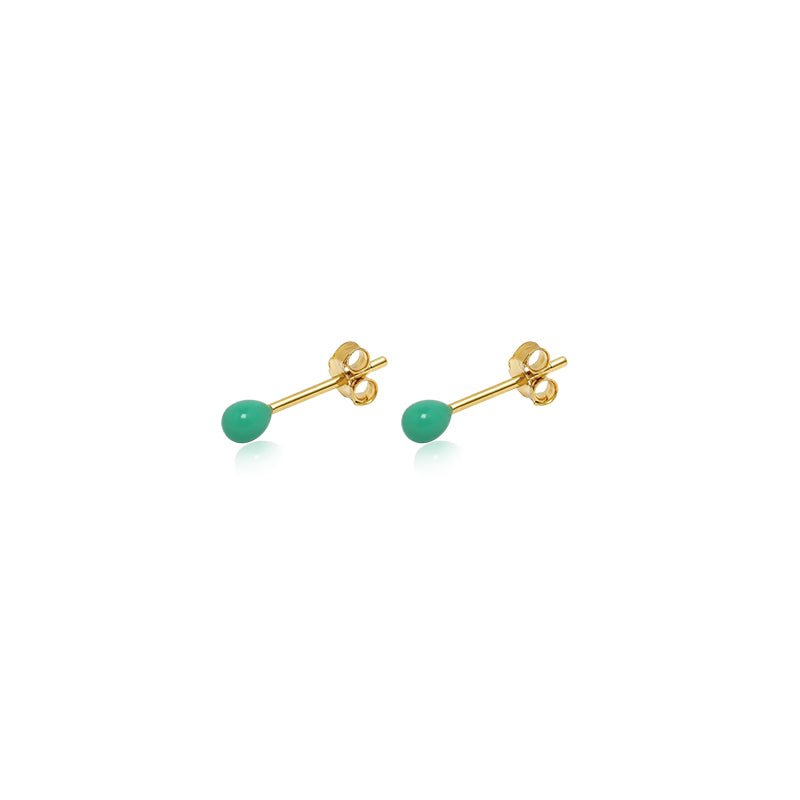
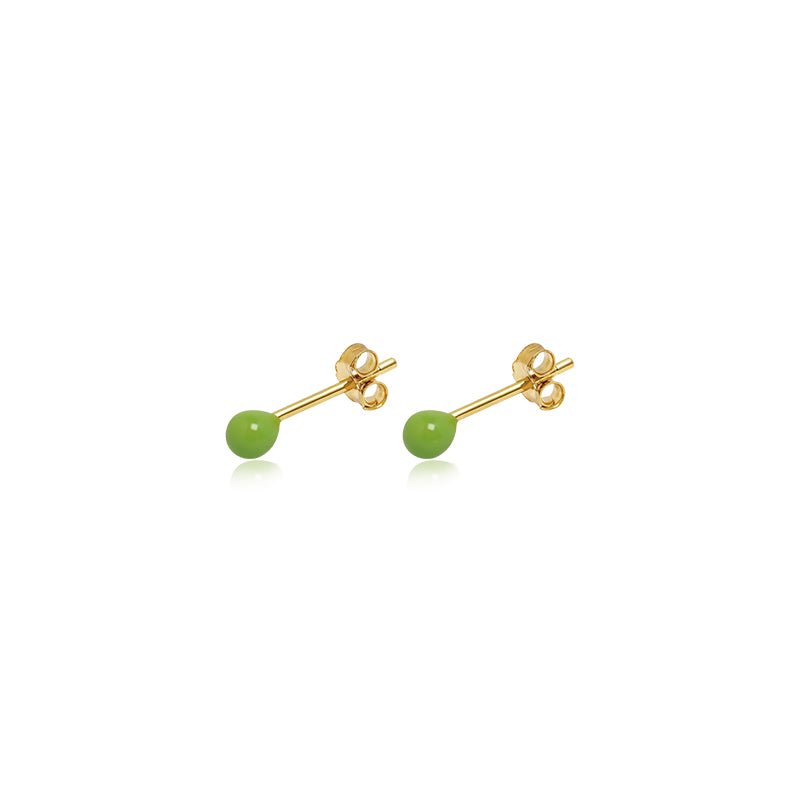
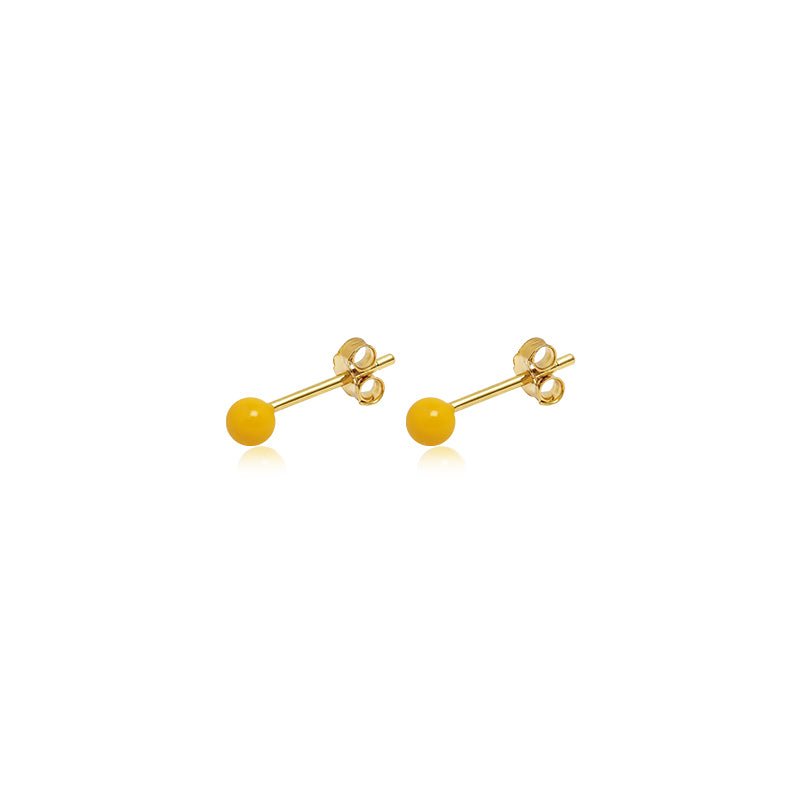
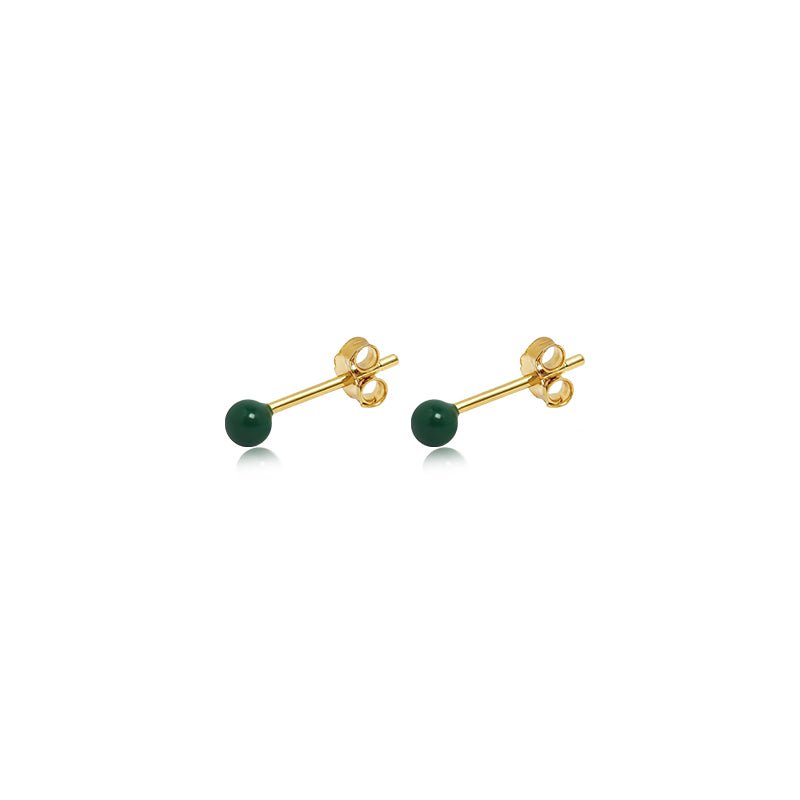
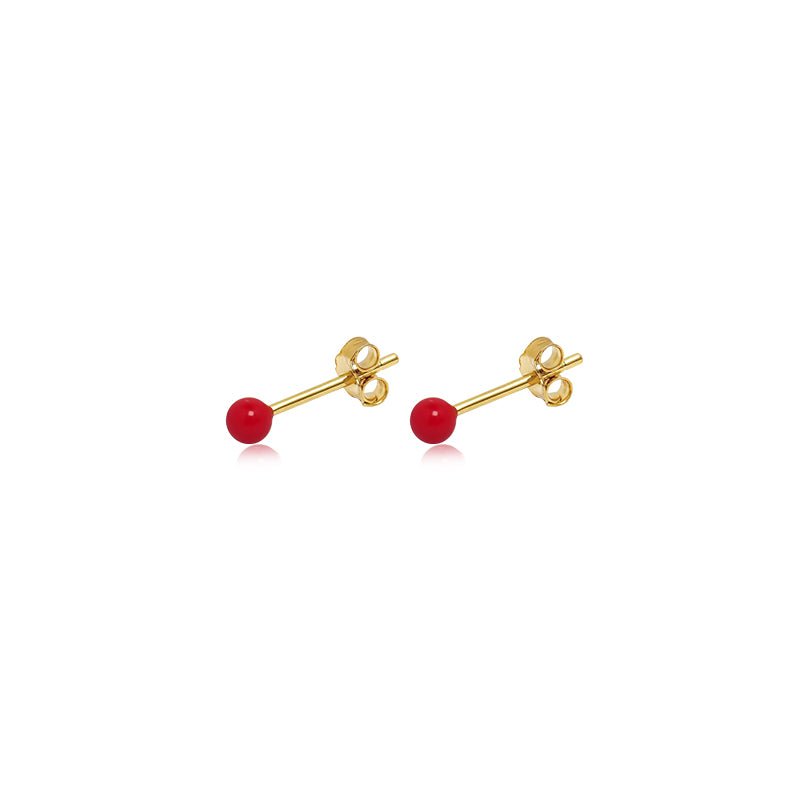
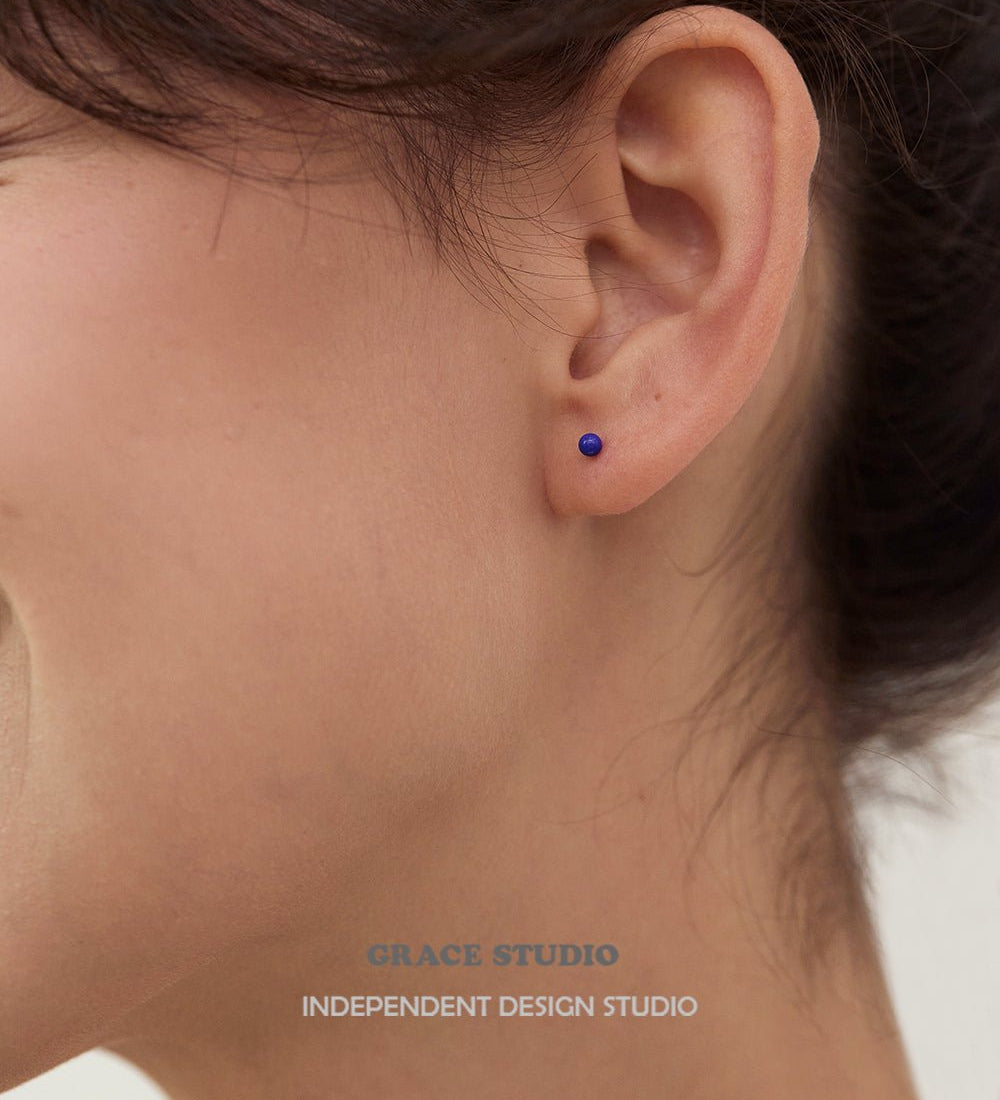
- Small 2 to 4 mm studs
- Huggie hoops with an 8 to 12 mm inner diameter
- A slim bracelet with one tiny charm
- A petite pearl necklace
- A thin birthstone ring
The scale is usually the first thing I notice. If a necklace is the first thing I see when I look in the mirror, I probably wouldn’t call it dainty. If I notice the outfit first, then catch a little shine after, that feels closer.
Again, this isn’t a strict rule. Jewelry looks different on everyone. But that’s usually how I judge it on myself.
| Piece Type | Dainty Size Range | Notes |
|---|---|---|
| Studs | 2–4 mm | Visible but won't cover the lobe |
| Huggies | 8–12 mm inner diameter | Adjust based on piercing placement |
| Pendant | 4–8 mm | Sits nicely on a fine chain |
| Ring band | 1–2 mm wide | Stackable; slim enough to layer |
| Chain width | 0.8–1.5 mm | Fine enough to feel lightweight |
How I Tell If Something Feels Dainty
I don’t think there’s one perfect checklist. A piece can look tiny on one person and more noticeable on someone else. Your frame, your haircut, your neckline, your usual style, all of that changes how jewelry reads.
Still, when I’m deciding whether something feels dainty, I tend to look at a few things.
The Size
Dainty jewelry is usually small on purpose.
The chain is fine. The charm is petite. The band is narrow. The earring sits close to the lobe.
Small doesn’t mean invisible, though. I still want to see the piece. A tiny pearl stud can look really pretty when your hair is pulled back. A slim gold ring can still catch the light when you move your hand.
But if something feels heavy, wide, oversized, or like it needs its own outfit, I’d probably place it in a different category.
The Shape
I usually think of dainty pieces as easy shapes.
A small heart charm. A tiny initial. A slim bar pendant. A fine paperclip chain. A little pearl. A small bezel-set stone.
The pieces I wear most are the ones that move through the week without much effort. If a necklace works with jeans, a button-down shirt, a knit dress, and a tank top, I know I’ll probably wear it. If I can only picture it with one outfit, it might still be pretty, but it’s less useful for me.
And honestly, that matters. I don’t want jewelry that just sits in a drawer looking nice.
The Details
This is where I’ve gotten more picky.
A piece can look delicate in a product photo and still be annoying in real life. I’ve had rings catch on sweaters. I’ve had chains tangle before I even got out the door. I’ve had earrings that looked tiny but felt sharp behind my ear.
So now I check the little things.
Smooth edges. Secure clasps. Low settings. Stones that don’t sit too high. Earrings that close properly. Chains that don’t feel like they’ll kink if you breathe wrong.
Not glamorous, I know. But very useful.
If a ring catches on every sleeve I own, I won’t wear it much. Pretty only gets a piece so far.
The Fit
Fit matters a lot with small jewelry.
A bracelet can be slim and beautiful, but if it slides down your hand every time you reach for your bag, you’ll notice it all day. A necklace can be delicate, but if the length fights with every neckline, it stops feeling easy. A huggie can look perfect online, then feel too tight because your piercing sits higher than the model’s.
With dainty jewelry, a few millimeters can change the whole feel.
That’s why I like adjustable chains, extender links, and clear measurements. They make buying online a little less risky.
Related video
(Related article: How to choose the right necklace length)
Why I Keep Coming Back to Dainty Jewelry
For me, dainty jewelry works because it fits real life. I can wear it on a normal weekday. I can wear it to dinner. I can wear it with a blazer, a sweatshirt, a slip dress, or whatever I’ve already put on. It doesn’t usually make me feel overdressed. That’s probably why it ends up in my regular rotation.
I also like that it plays well with pieces I already own. A fine chain can sit next to a pendant. A tiny stud can sit above a hoop. A slim ring can stack with a wedding band, a signet ring, or another narrow band.
It’s also an easier gift category, at least in my experience. Clothes are hard. Sizing, fit, color, fabric, personal taste, there’s a lot to guess. Jewelry still takes thought, but a tiny birthstone necklace or small initial charm can feel personal without being too specific.
Of course, some people wear bold jewelry every day and make it look completely natural. I love that. I just tend to save bigger pieces for outfits where I want the jewelry to do more.
Most days, I want the jewelry to help the outfit along. Quietly.
What I Wouldn’t Usually Call Dainty
This is a little subjective, but I usually wouldn’t call a piece dainty if the size, weight, shine, or detail becomes the main thing you notice. For me, these usually feel bolder:
- Thick chain necklaces
- Wide cuffs
- Oversized hoops
- Large pendants
- Tall center stones
- Chunky rings
- Bright enamel pieces
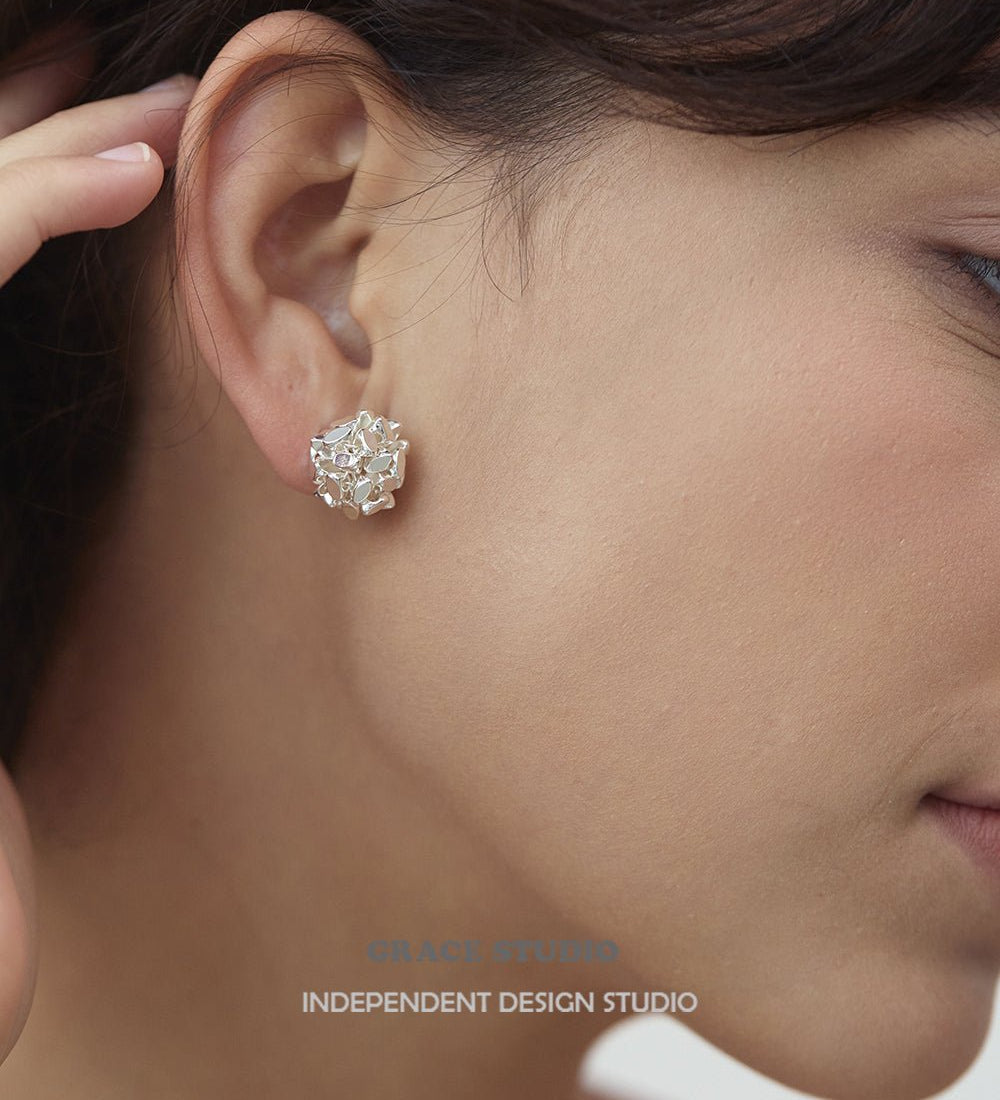
- Heavy texture
- Extra-wide bands
Those pieces can look great. I’m not against them at all. They just have a stronger presence.
A simple way I think about it: if the jewelry leads the outfit, it feels more like a statement piece. If it adds a small detail once the outfit is already working, it feels more dainty.
You can wear both. I do. I just try not to make every piece compete at once.
If I’m wearing bold earrings, I’ll usually skip the necklace or wear a very fine chain. If I’m stacking necklaces, I’ll keep my earrings small. If my rings are doing more, I probably won’t add a bracelet stack too.
Otherwise everything starts fighting for attention.
The Dainty Pieces I’d Start With
The best dainty pieces are the ones you don’t need to think about much.
You put them on. They feel good. They work with what you’re already wearing.
That sounds obvious, but it’s the difference between jewelry you wear all the time and jewelry that just sits in a box.
Dainty Necklaces

A dainty necklace usually starts with a fine chain.
Cable chains, box chains, snake chains, curb chains, and slim paperclip chains can all work. I care more about weight and scale than the chain name. A paperclip chain can still feel dainty if the links are small enough.
For pendants, I’d usually look around 4 to 8 mm for an everyday piece. A tiny initial, petite pearl, small birthstone, or little bezel-set stone tends to sit nicely on a fine chain.
For length, I think 16 to 18 inches is the easiest place to start.
A 16 inch chain usually sits higher, closer to the base of the neck. An 18 inch chain often lands around the collarbone. If I were buying one necklace to wear often, I’d look for one with a 2 inch extender. That small bit of flexibility helps more than you’d expect.
For layering, I’d start with two necklaces.
- One 16 inch fine chain
- One 18 inch tiny pendant
That pairing usually works with crewnecks, button-down shirts, sweaters, tanks, and simple dresses. It also gives each necklace enough space, which helps with tangling.
If you want a third necklace, try a 20 inch slim chain or a tiny charm. Personally, I stop at two most days. Three can look nice, but it takes more adjusting than I usually want to do.
One small thing I’ve learned: check your neckline before adding layers. A necklace stack that looks great with a tank can disappear under a crewneck sweater.
Dainty Earrings

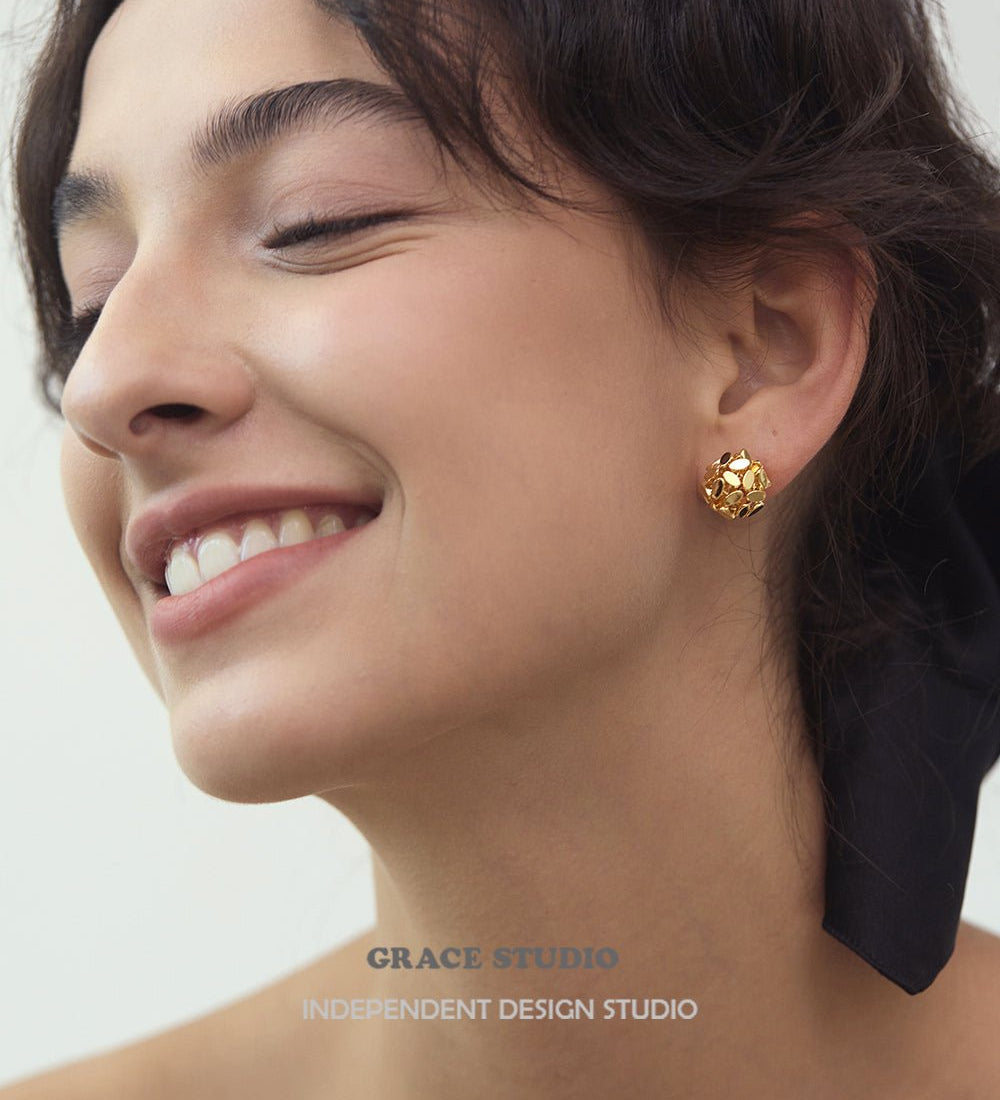
Dainty earrings are where comfort matters most to me. Tiny studs, small pearls, mini hoops, and huggies are the pieces I’d start with. They add a little shine without making your ears feel tired.
For studs, 2 to 4 mm is a useful everyday size. You can still see the shape or stone, but it usually won’t cover the whole lobe.
For huggies, an 8 to 12 mm inner diameter works for many people. But your best size depends on your lobe shape and piercing placement. If your piercing sits higher, you may need a slightly larger hoop. If it sits lower, a smaller huggie may fit closely.
If you have multiple piercings, I like something like this:
- First piercing: 10 mm huggie
- Second piercing: 3 mm stud
- Third piercing: tiny ball stud or flat-back stud
I usually keep the largest earring in the first piercing and go smaller as I move up the ear. It feels balanced without looking too arranged.
Secure backs are worth checking too. Screw backs, flat backs, and locking huggies can be helpful if you wear earrings all day. If your ears get irritated easily, the post material matters as much as the front design.
Dainty Rings

Dainty rings usually sit around 1 to 2 mm wide. They can be plain, twisted, beaded, brushed, engraved, or set with a small stone. I like that they can look clean on their own, but they also stack easily when you want more detail.
The thing I watch is comfort. Ring stacks can look lovely in photos, then feel irritating in real life if they pinch, spin, or rub against each other.
A stack I’d actually wear on a normal day:
- One slim ring with texture or a tiny stone
- One plain thin band
- One extra-thin band on a different finger
I like leaving at least one finger bare. It makes the whole thing feel lighter. Your rings are easier to notice when every finger isn’t covered.
If you wear an engagement ring or wedding band, I’d keep extra rings slim and low. Higher settings can catch on gloves, sweaters, and bags. They can also rub against nearby rings over time.
Dainty Bracelets and Anklets

Bracelets and anklets can be beautiful, but I’m picky about fit.
A dainty bracelet should move a little. I don’t want it tight. But I also don’t want it sliding over my hand every time I reach for something.
I usually like being able to fit one finger between the bracelet and my wrist.
For bracelets, 16 to 18 cm is a common range. For anklets, 22 to 25 cm works for many people. Adjustable links are useful because even 1 cm can change how the chain sits.
I’d look for fine cable chains, box chains, tiny paperclip chains, or a simple chain with one charm. A small initial, tiny heart, or petite birthstone can add a personal detail without making the bracelet feel fussy.
If you wear a watch, I’d keep the bracelet simple. One slim chain next to a watch usually looks cleaner than a full wrist stack, especially for everyday wear.
Materials I’d Look For
Dainty jewelry is small, so construction matters.
A thin chain can look beautiful, but if the clasp is weak or the finish wears off quickly, you probably won’t wear it for long. I’ve learned that the piece I reach for most is rarely the most dramatic one. It’s usually the one that feels comfortable, holds up, and doesn’t need constant fixing.
Here are the materials I’d consider.
| Material | Longevity | Sensitive Skin? |
|---|---|---|
| Solid 14K/18K Gold | Years | ✅ Generally safe |
| Gold-Filled | 2–5 years | ✅ Usually fine |
| Sterling Silver | Years (needs polishing) | ✅ Usually fine |
| Stainless Steel (PVD) | 1–3 years | ⚠️ Check specs |
| Gold-Plated | Months–1 year | ⚠️ Varies by base metal |
Solid Gold
Solid 14K or 18K gold is usually the longest-lasting choice if it fits your budget.
It doesn’t wear down the same way plated jewelry can, which makes it a good option for pieces you plan to wear often. I’d be more likely to spend here on earrings, rings, or a daily necklace.
Rings and earrings get a lot of contact with skin, soap, sleeves, hair, and bags. If you wear them daily, the material starts to matter pretty quickly.
Gold-Filled
Gold-filled jewelry can be a good middle option.
It has a thicker layer of gold bonded to a base metal, so it usually lasts longer than standard gold plating. If you want the look of gold without paying solid gold prices, I’d consider gold-filled necklaces, bracelets, and some earrings.
I especially like it for everyday chains because you still get a nice finish, but the price often feels more manageable.
Sterling Silver
Sterling silver is a good choice if you like cooler-toned jewelry.
It can tarnish, but that doesn’t bother me much. A polishing cloth usually brings it back quickly. I’d just store it somewhere dry and keep it out of steamy bathrooms.
If you already wear silver often, dainty sterling silver pieces are easy to mix into what you own.
Stainless Steel With PVD Coating
Quality stainless steel with PVD coating can be practical for everyday pieces.
It tends to hold color better than many basic plated finishes. It can also work for some people with sensitive skin, though I’d still check the exact material details before buying.
This can be a useful option for simple hoops, chains, and bracelets, especially if you want something low-maintenance.
Gold-Plated Jewelry
Gold-plated jewelry can be pretty and budget-friendly.
I’d just be more careful with rings and bracelets because they get the most friction. They touch tables, sleeves, bags, water, lotion, and soap throughout the day.
If you like changing your jewelry often, plated pieces can make sense. If you want something you’ll wear almost every day for years, I’d look at gold-filled or solid gold first.
Stones and Settings
For dainty jewelry, petite stones usually work best.
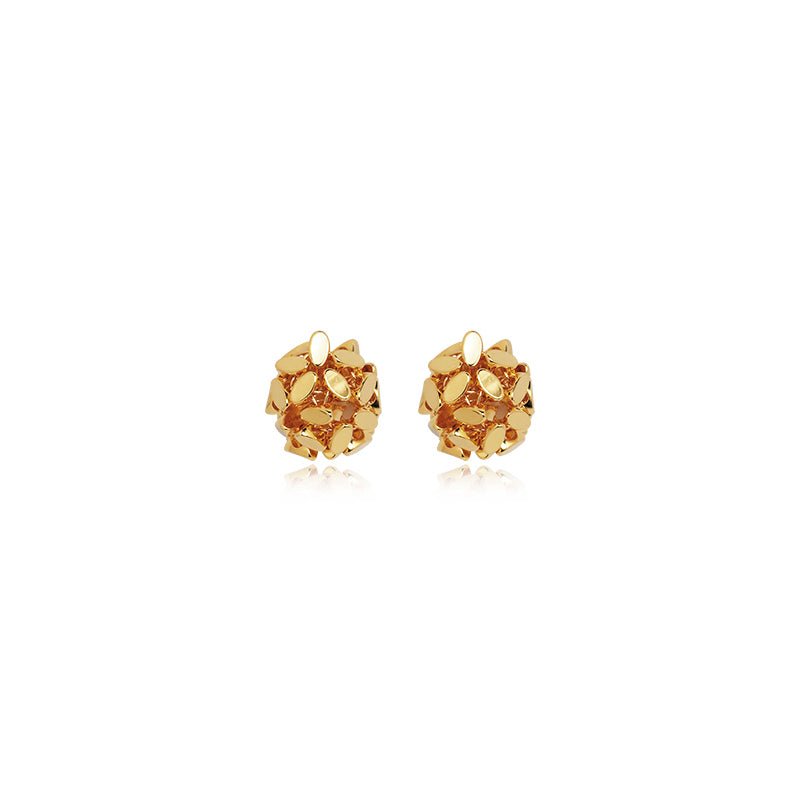
Tiny diamonds, small pearls, birthstones, and little colored gems can all look beautiful when the setting stays low. I tend to like stones that add detail without making the piece feel too precious for regular wear.
Bezel settings are one of my favorites for everyday pieces because the metal wraps around the stone. They often feel smoother and catch less. Petite prongs can also work, but I’d check that they don’t snag on fabric.
For daily wear, low-profile settings are easier. They tend to work better with sweaters, scarves, jackets, gloves, and bags.
If Your Skin Gets Irritated Easily
If your skin reacts to jewelry, I’d pay close attention to material. A product description might say “hypoallergenic,” but I still want to know what the metal actually is. That word can be useful, but it doesn’t tell you everything.
Materials I’d usually look for:
- Solid gold
- Sterling silver
- Titanium
- Quality stainless steel
- 14K gold-filled
For earrings, flat-back titanium or solid gold posts can make a real difference. I’d also avoid heavy earrings if your piercings get sore easily, even when the material is good.
No one wants pretty earrings that hurt by lunch.
How I’d Style Dainty Jewelry
The easiest way to style dainty jewelry is to pick one area to focus on.
Maybe it’s your necklace stack. Maybe it’s your rings. Maybe it’s your ears.
Once that area has enough detail, I usually keep the rest simple. If I’m layering necklaces, I’ll wear small earrings. If I’m wearing several rings, I might skip the bracelet. If my earrings have a tiny drop or pearl, I’ll keep the necklace plain.
You don’t need a full plan. You just need one part of the look to feel finished.
Layer Necklaces by Length

Layering works better when each necklace has its own space. A simple setup could look like this:
- 16 inch fine chain
- 18 inch small pendant
- 20 inch slim chain or tiny charm
I’d also vary the chain texture a little. A box chain, cable chain, and fine snake chain can sit together nicely because they don’t all blur into one line.
If you’re new to layering, I’d start with two necklaces. It’s easier to wear, easier to untangle, and still gives you that layered look.
Two is often enough. Really.
Stack Rings Without Overdoing It

With rings, I like starting with one anchor piece.
That could be a tiny stone ring, a textured band, or a slightly thicker slim ring. Then I’ll add one or two simpler bands around it.
A stack I’d wear on a normal day:
- One 2 mm textured band
- One 1 mm polished band
- One petite stone ring on a nearby finger
I’d keep at least one finger bare. It gives your hand a little space and makes the rings you are wearing easier to see.
If your rings keep spinning, try fewer pieces or add one slightly thicker ring. Sometimes the best fix is just taking one thing off.
Match the Jewelry to the Outfit

Dainty jewelry tends to work well with simple outfits because the small details have room to show.
- With a white tee and jeans, I’d wear a fine chain, small hoops, and one slim ring.
- With a button-down shirt, I’d go for a collarbone-length pendant and tiny studs.
- With a slip dress, I might wear a short chain, a longer tiny pendant, and a slim bracelet.
- With a crewneck sweater, I’d probably focus on earrings or rings instead of a necklace that may hide under the neckline.
- With office clothes, I like small huggies, a simple pendant, and a watch with one thin bracelet. It feels put together without looking like you tried too hard.
Mixing Metals

You can mix gold, silver, and rose gold. I used to think mixed metals had to be very planned, but I don’t think it needs to be complicated. I just try to repeat each tone at least once so the mix feels intentional.
For example:
- Gold huggies
- Silver watch
- Gold and silver ring stack
Or:
- Silver chain
- Gold pendant
- Gold bracelet
- Silver studs
If the pieces are small, mixed metals usually feel softer and easier to wear. You don’t have to match everything perfectly. I actually prefer it a little less matched sometimes.
Easy Dainty Jewelry Combinations
These are the kinds of combinations I’d use when I don’t want to think too much.
Everyday Minimal

- Fine chain
- Small studs
- One slim ring
This is what I’d wear with a tee, cardigan, jeans, or a simple dress.
Office Polish

- 18 inch pendant
- Small huggies
- Watch with one thin bracelet
This feels neat without being distracting.
Dinner Outfit

- Short chain
- Longer tiny pendant
- Pearl studs
- Two slim rings
A little more detail, but still soft.
Weekend Casual

- Tiny hoops
- Initial necklace
- Simple bracelet
This works when your outfit is relaxed but you still want it to feel finished.
Soft Formal Look

- Pearl or diamond studs
- Fine bracelet
- One delicate ring
- Slim pendant if the neckline works
If the dress or top already has a lot going on, I’d probably skip the necklace and focus on earrings.
Sizing and Fit Tips
Small measurements matter with dainty jewelry.
A necklace that is 2 inches shorter can sit in a completely different spot. A huggie that is 2 mm smaller might feel too tight. A ring that is only 1 mm wider can feel different once you stack it.
That’s why I like checking measurements instead of guessing from photos. Product photos can be helpful, but they don’t always tell the full story.
Necklace Lengths
Here’s how I usually think about necklace lengths.
| Length | Where It Sits | Best With |
|---|---|---|
| 14–16 in | Base of neck | Open necklines, layering base |
| 18 in | Collarbone | Most necklines, everyday wear |
| 20–24 in | Upper chest | Pendants, higher necklines |
| 24–30 in | Mid chest | Plain tops, slip dresses |
- 14 to 16 inches: Sits higher on the neck or near the base of the neck. This can look nice with open necklines or layered with longer pieces.
- 18 inches: Usually lands around the collarbone. This is probably the easiest everyday length for many people.
- 20 to 24 inches: Sits lower on the chest. This can work well with pendants, simple dresses, and higher necklines.
- 24 to 30 inches: Gives you a longer line. I’d usually wear this with plain tops or dresses.
If you’re unsure, I’d start with an 18 inch chain with an extender. It gives you more flexibility without needing several necklaces.
Ring Fit
Slim rings can feel a little looser than wide bands because less metal touches your finger.
If you’re between sizes, check the brand’s sizing notes. Some brands suggest sizing down slightly for very thin bands, but that depends on your hands and how you like rings to feel.
For stacking, I’d choose comfort over filling every finger. Rings should sit flat, move naturally, and avoid scratching each other.
If your stack keeps spinning, you may need fewer rings or one slightly thicker anchor ring.
Earring Fit
For huggies, measure the distance between your piercing and the bottom of your lobe. Then add a little room so the hoop can close comfortably.
If your piercing is higher, you may need a larger huggie. If your piercing sits lower, a smaller one may be enough.
For multiple piercings, I’d try:
- First lobe: small hoop or huggie
- Second lobe: tiny stud
- Upper lobe: flat-back stud or mini clicker
I’d keep one moving piece at most, like a tiny drop earring. That helps the stack feel comfortable and less busy.
Bracelet and Anklet Fit
For bracelets, I like a little movement. I don’t want the bracelet tight, but I also don’t want it sliding over my hand.
A simple fit test: you should be able to fit one finger between the bracelet and your wrist.
For anklets, I’d leave a bit more room because the chain needs to move when you walk. Adjustable links are helpful, especially if you wear different shoes that hit around the ankle.
(Related article: How to choose earrings for your face shape)
How I Care for Dainty Jewelry
Dainty jewelry doesn’t need a complicated care routine, but a few habits help.
After wearing a piece, I like to wipe it with a soft cloth. It removes skin oils, lotion, sunscreen, and perfume. It only takes a few seconds, and it can help the finish stay nicer for longer.
When a piece looks dull, I’d clean it gently:
- Fill a small bowl with warm water
- Add one drop of mild soap
- Use a soft brush for tiny spaces
- Rinse well
- Pat it fully dry
I’d avoid toothpaste, baking soda, bleach, and harsh cleaners. They can scratch metal, wear down finishes, or damage some stones.
For storage, I’d keep pieces separate when possible. Fine chains tangle fast, and pulling out knots can stretch or break them. Small pouches, individual compartments, or anti-tarnish bags all work well.
A few habits that help:
- Put jewelry on after lotion, perfume, hairspray, and sunscreen
- Take jewelry off before cleaning, swimming, showering, or using a hot tub
- Fasten necklace clasps before storing them
- Keep jewelry out of steamy bathrooms
- Make sure each piece is fully dry before putting it away
(Related article: How to keep jewelry from tarnishing)
A Few Things I’d Avoid
I wouldn’t wear dainty jewelry in pools or hot tubs if I wanted it to last. Chlorine, heat, and chemicals can be rough on metal, stones, and finishes.
I’d also take rings off before using strong cleaning products. Rings get the most contact with surfaces, soap, and chemicals, so they tend to show wear first.
And I wouldn’t toss fine chains into a bag or drawer. I’ve done it. It usually ends with a knot I regret later.
FAQs
Is dainty jewelry good for everyday wear?
It can be. I’d look for sturdy materials, secure clasps, and practical settings if you plan to wear a piece often. Sterling silver, solid gold, 14K gold-filled, titanium, and quality stainless steel can all work well for regular wear.
Low settings and smooth edges also help if you wear sweaters, coats, scarves, or bags often.
What does it mean when jewelry is called dainty?
It usually means the jewelry is small, light, and understated.
Think fine chains, slim rings, tiny stones, petite pearls, and earrings that sit close to your ear.
Can you wear dainty jewelry to formal events?
Yes, I think dainty jewelry can work beautifully for formal outfits.
If your dress or suit already has strong details, smaller jewelry can keep the look clean. I’d try pearl studs, diamond studs, a fine bracelet, or a small pendant.
If the neckline has a lot of detail, I’d probably skip the necklace and wear earrings instead.
Can you mix metals?
Yes. I like mixed metals when the pieces feel connected in some way. You could wear gold huggies with a silver watch, then add a ring stack that includes both tones.
Repeating each metal once or twice helps the mix feel more natural.
What’s the difference between dainty and minimalist jewelry?
Dainty usually describes the size and weight. Minimalist usually describes the design style.
A piece can be both, like a thin gold band or tiny solitaire necklace. But a simple wide cuff might be minimalist without feeling dainty.
Does dainty jewelry break easily?
It depends on how it’s made. A piece can be small and still feel sturdy. I’d check the clasp, chain thickness, setting, and material. For everyday wear, I’d avoid chains that feel sharp, kink easily, or look too thin for regular use.
Storage matters too. Keeping pieces separate and away from chlorine, bleach, and rough handling can help them last longer.
What dainty jewelry would I buy first?
I’d start with the piece you know you’ll wear most.
For many people, that might be an 18 inch fine chain, small huggies, or a slim ring. Choose your usual metal color first. Once you know you’re wearing that piece often, you can add one more layer, like a tiny pendant, a second ring, or a fine bracelet.
Infographic






Leave a comment