
How I Wear Chokers Without Making the Whole Outfit Feel Like Too Much
A choker can change an outfit quickly. I like how it fills the space above an open neckline and makes a plain tank or T-shirt feel more put together.
I have also learned how easy it is to overdo the area around my face. A wide choker, large earrings, another necklace, and a detailed top can feel crowded.
So I usually put the choker on first, then decide what else I need. Often, I skip the extra necklace or choose smaller earrings. Sometimes the choker stands out. Other times, it blends into the outfit. Both work for me.
6 Choker Outfits I Would Wear
1. A Fine Gold Choker, White T-Shirt, Straight Jeans, and Black Loafers

This is where I would start if chokers felt unfamiliar.
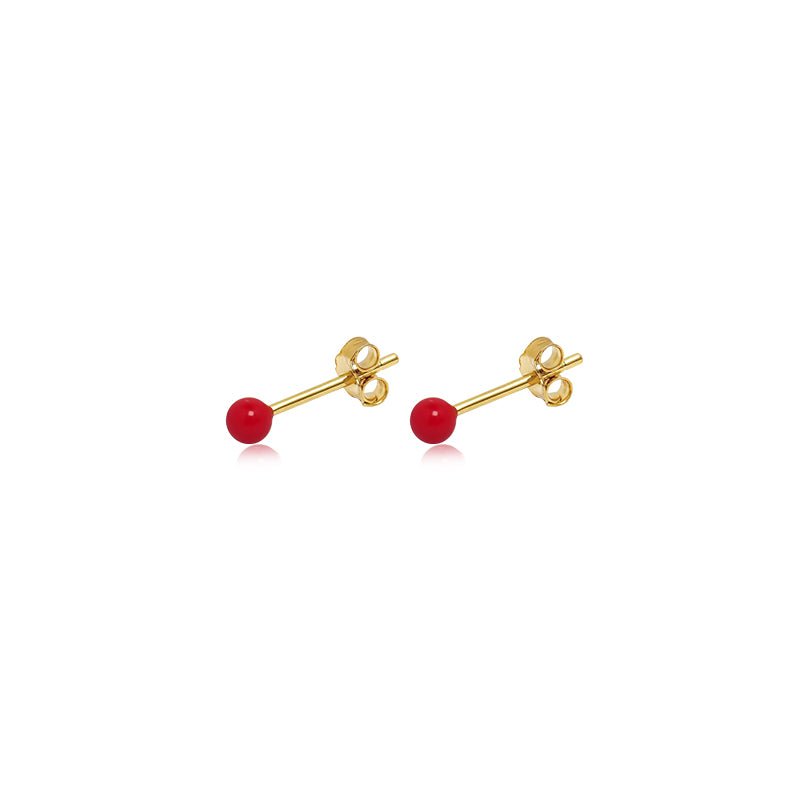
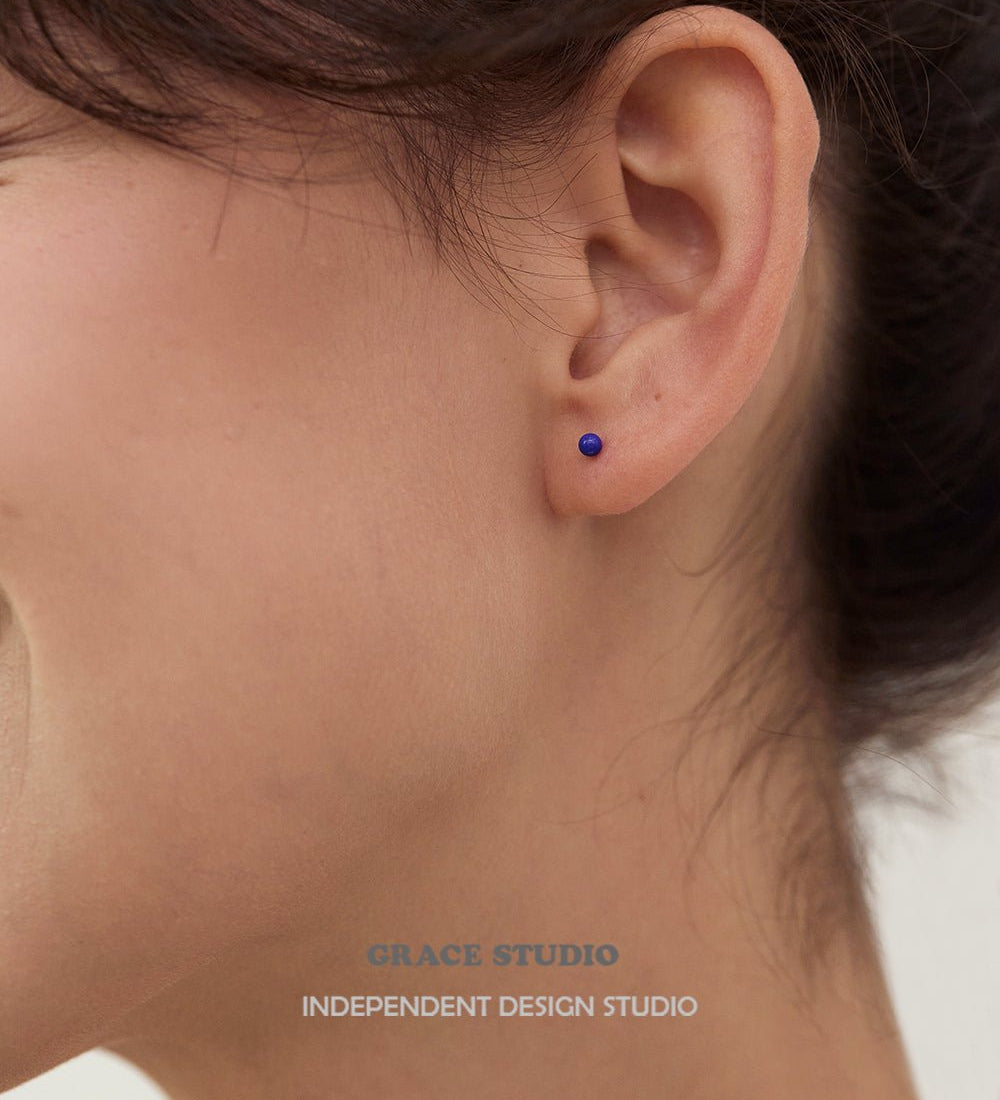
The necklace adds a small detail without making the outfit dressy. I would wear tiny hoops or studs and leave it there.
Easy.
2. A Black Velvet Choker, Satin Camisole, Dark Jeans, and Pointed Flats

I like the difference between the soft velvet and the smooth satin.
Those two textures already give the outfit enough interest for me. I would probably skip another necklace.
A small bag. Simple earrings. Done.
3. A Silver Chain, Oversized Graphic Tee, Leather Jacket, and Sneakers

This feels casual with a slightly stronger edge.
If the chain is uncomfortable against my neck, I wear it over the T-shirt collar. The shirt also keeps cold metal away from my skin, which I appreciate in winter.
I keep the earrings small.
4. A Pearl Choker, Black Tank, Wide-Leg Trousers, and Flat Sandals

This is one of my favorite ways to make pearls feel less formal.
The trousers and tank keep the outfit relaxed. The necklace brings in a bit of polish.
I could wear it to lunch, dinner, or a casual event without feeling overdressed.
5. A Rigid Metal Collar, Sleeveless Knit Dress, Small Earrings, and a Low Bun

A plain dress gives the collar enough room to stand out.
I would wear this for dinner or a dressier work event. Before leaving, I check that the necklace does not catch on my hair or press against the neckline.
I learned that part the annoying way.
6. A Narrow Leather Choker, Blue Shirt, Black Trousers, and Ankle Boots

I open the top two buttons and place the choker inside the shirt collar.
The leather makes the outfit feel a little less expected. The shirt and trousers stop it from going too far in one direction.
I would probably carry a simple bag and avoid extra necklaces.
Why Chokers Still Feel Familiar
Close-fitting necklaces have been around for centuries. People have worn them for decoration, status, mourning, protection, and personal style.
European court clothing often included ribbons, pearls, and jeweled bands worn high around the neck. Alexandra of Denmark was frequently photographed wearing rows of pearls and close-fitting collars.
Still, when I hear the word “choker,” I tend to think of the 1990s first.
Tattoo chokers. Black velvet ribbons. Thin plastic bands. Little cords with a charm hanging in the center. They were worn with baby tees, slip dresses, dark lipstick, baggy denim, and all sorts of combinations that have started appearing again.
The current options feel much wider, though.
A choker could be a thin gold chain, a pearl strand, a velvet ribbon, a leather band, or a curved piece of silver metal. Technically, they sit in roughly the same place. They do not give the same impression at all.
I would never style a pearl choker exactly as I would style a studded leather one. The material changes the feel of the piece. So does the width. Even the clasp can make a difference.
Does a Choker Have a Meaning?
Most of the time, I assume the person simply liked the necklace.
Chokers have been associated with different things in different periods. Wealth. Court clothing. Mourning. Punk style. Sexual imagery. A few of those associations still shape how people react to them.
The setting matters, though.
A leather choker at a concert may look bold or alternative. Pearls at a wedding may feel traditional. A narrow gold chain worn under a white shirt might barely look edgy at all.
So I do not think a choker carries one fixed message.
I would also avoid making assumptions about someone based on it. A necklace does not tell you anything reliable about consent, availability, personality, or what kind of attention a person wants.
It is jewelry. Sometimes that really is all it is.
I Usually Start with the Choker
I used to get dressed first and deal with jewelry at the very end.
That still works with small studs or a fine pendant, but chokers sit so close to the face that they can affect the balance of everything else. I have found it easier to look at the necklace first.
How wide is it?
Does it have beads, stones, studs, or a pendant?
Does it sit high under my jaw, or lower near my collarbone?
Is it shiny? Soft? Stiff? A bit bulky?
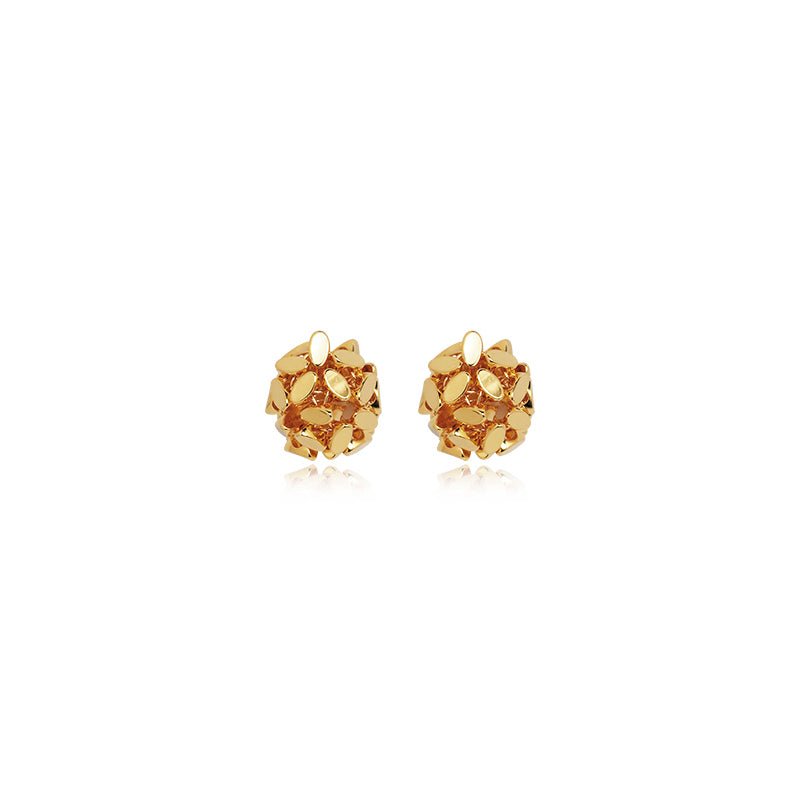
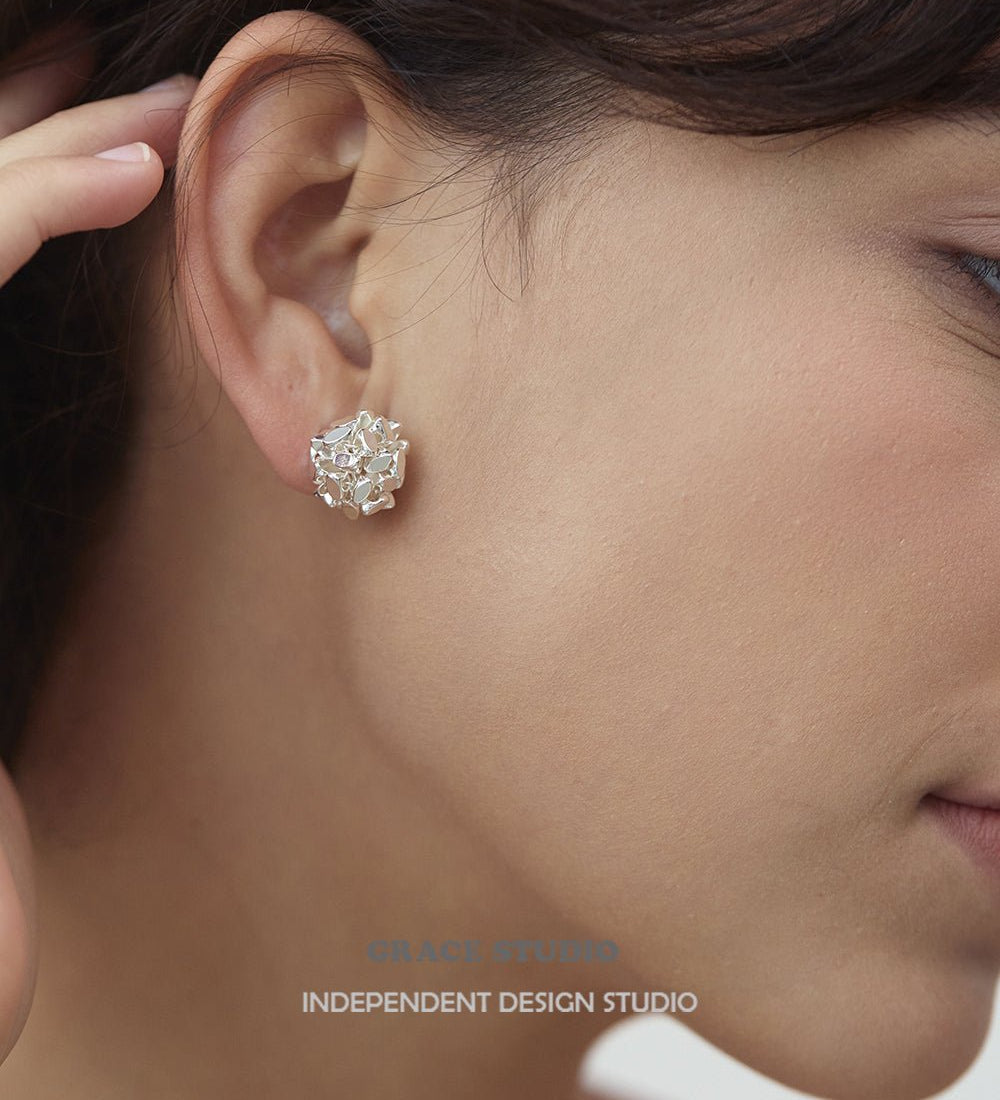
A detailed choker usually makes me want smaller earrings. A very fine chain gives me more freedom. I might wear hoops, add another necklace, or leave it on its own.
If the necklace has a drop in the center, I pay attention to where that drop lands. It can look awkward when the pendant rests right on the edge of a neckline.
Then I put on the full outfit and look again.
That step has saved me more than once. A necklace may look delicate in my hand and much larger when it sits close to my face.
I take a quick photo sometimes. Nothing fancy. Just a straight-on picture with my phone.
Photos are oddly honest about spacing.
The Choker Styles I Wear Most
Velvet, Ribbon, and Lace

A narrow velvet ribbon is still one of the easiest choker styles for me.
I wear it with satin, denim, square-neck tops, and plain dresses. Black is the obvious choice, and I do like it, but brown, navy, cream, or deep red can feel a little softer.
Black velvet can look quite strong against pale skin or a light-colored top. Sometimes that is what I want. Sometimes it is not.
Lace is more difficult for me.
It already has texture and detail, so I usually keep the rest of the outfit simple. A plain neckline. Small earrings. Maybe no other jewelry.
I once wore a lace choker with a floral blouse, ruffled sleeves, and decorative earrings. Individually, I liked every piece. Together, I felt as though I had dressed for a period drama without meaning to.
Some people would enjoy that look. Fair enough.
I just prefer to arrive there on purpose.
Rigid Metal Collars

Gold and silver collars can look very clean with blazers, sleeveless knits, simple dresses, and button-down shirts.
I like them with clothes that have clear lines. The metal already gives the outfit shape, so I do not feel much need to add extra detail.
They are not always comfortable, though.
One collar I owned looked great while I stood still. Then I sat down, turned my head, and immediately felt the ends pressing into my neck.
Now I test rigid pieces at home first. Ten or fifteen minutes is usually enough.
I sit. I walk around. I look over each shoulder. I bend down to pick something up.
A necklace that feels fine for a photograph may be annoying for an entire dinner.
Pearls, Beads, Crystals, and Stones

These are useful when I want to bring some color, shine, or texture into a plain outfit.
I often wear them with a low scoop neck, a strapless dress, a slip dress, or a basic crew-neck top.
When the choker already has several colors or a lot of sparkle, I usually choose tiny earrings. Sometimes none.
Pearls are probably the easiest to move between dressy and casual outfits.
A pearl choker with a lace dress can feel formal. The same choker with a black tank, loose trousers, and loafers looks much more relaxed.
I used to save pearls for dinners, weddings, or anything that felt like an occasion. Then they sat in the jewelry box most of the year.
Once I started wearing them with ordinary clothes, I got far more use out of them.
Chunky Chains

A thick chain tends to take over the upper part of an outfit.
I do not mean that in a bad way. It just has presence.
I wear chunky chains with crew-neck T-shirts, oversized shirts, tank dresses, leather jackets, and simple knitwear. Small hoops usually work. Studs too.
There are days when I skip earrings altogether.
The neckline matters more than I expected. Heavy metal against thick ribbed fabric can feel cramped. A slightly lower neckline tends to give the chain more room.
Some chunky pieces also feel better over clothing than against bare skin.
I try both. Usually one looks obviously better.
Leather and Studded Chokers

I do not think leather automatically requires a full alternative outfit.
A narrow black leather band can look good with a white tank, straight-leg jeans, and a blazer. That combination has some contrast, but it does not feel like a costume.
When I want something stronger, I might add a band T-shirt, boots, dark denim, or an older leather jacket.
Still, I keep one part fairly quiet.
When the necklace, shirt, jacket, boots, belt, and makeup are all making the same strong statement, I sometimes feel buried under the idea of the outfit.
That is just me. Someone else may love it.
Fine Chains

A fine chain is usually what I suggest when someone likes chokers but feels unsure about wearing one.
It is easy. Or easier, at least.
You can wear it with a T-shirt, button-down shirt, dress, cardigan, or knit top. It can sit by itself or become the first layer in a group of necklaces.
I prefer one with an extender of at least 2 inches, which is around 5 centimeters.
That extra bit of chain helps more than you would think. I can move the choker higher or lower depending on the neckline. I can also loosen it slightly on hot days.
Heat makes close jewelry feel closer.
How I Decide Whether the Fit Is Right
A choker should sit close, but I do not want to feel it every time I swallow.
I use the one-finger check. I should be able to slide a finger between the necklace and my neck without pushing.
Then I move around a little.
I talk. Swallow. Turn my head. Take a full breath. Sit down.
If the necklace presses, pinches, or makes me want to pull at it, I loosen it.
I also wear new chokers around the house before taking them out for several hours. Around 10 to 15 minutes usually tells me enough.
Itching, numbness, sharp pressure, or a deep mark are all signs that something is wrong for me. It could be the size. It could be the material. Sometimes the clasp is the problem.
To measure my neck, I wrap a soft measuring tape around the spot where I want the choker to sit. Then I add roughly 1 to 2 inches, or 2.5 to 5 centimeters.
That number is a starting point.
A rigid collar usually needs more room than a soft ribbon. Some people simply prefer a looser fit.
I would trust comfort over the number on the label.
How I Wear Chokers with Different Necklines
| Neckline | Works Well | Avoid |
|---|---|---|
| Strapless | Velvet, pearls, metal collar | Matching heavy beading |
| Halter | Fine chain, narrow ribbon | Wide or chunky pieces |
| V-Neck | Simple choker, small pendant | Pendant landing on edge |
| Square Neck | Velvet, pearls, smooth metal | Overly decorative pieces |
| Crew Neck | Fine chain above, chunky over | Heavy ribbed + thick chain |
| Button-Down | Slim chain, narrow leather | Bunchy fabric around neck |
| Turtleneck | Thin gold or silver chain | Loose cowl necks |
Strapless and Off-Shoulder Tops

These necklines leave a lot of open space, so chokers tend to show clearly.
I have worn velvet, pearls, crystals, and metal collars with them.
The amount of detail on the top usually decides what I choose. A plain strapless dress can handle a wider or more decorative choker. If the dress already has ruching, lace, or beading, I may go with a thin chain.
Sometimes I wear no necklace at all.
Open space can look good on its own.
Halter Necks

Halter tops already draw attention toward the neck, and adding a wide choker can make the area feel tight.
I usually try something slim. A fine chain, narrow ribbon, or small beaded piece.
A little visible skin between the straps and necklace helps. Without that gap, the shapes can run into each other.
And sometimes it simply does not work.
I used to keep adjusting the necklace, hoping I would find the perfect position. Now I am more likely to take it off and wear earrings instead.
V-Necks

I like the contrast between the straight line of a choker and the point of a V-neck.
A simple choker often works on its own. If I want a longer line through the center, I add a small drop or a second necklace with a pendant.
I pay attention to where that pendant ends.
It tends to look better when it finishes clearly above the neckline or clearly below it. When it lands right on the edge, it can seem slightly off.
Not terrible. Just off.
Scoop and Square Necks

Both of these necklines give a choker room to sit without much competition.
I like velvet, pearls, and smooth metal with square necks. Scoop necks work well with a single choker or two layers.
With a wider piece, I often leave about an inch of visible skin between the necklace and the top.
That small gap makes a difference. The shapes look separate, and the whole thing feels less cramped.
Crew Necks

A fine choker can sit just above a crew-neck T-shirt or fitted knit.
Chunky chains often look better over the fabric.
I test both positions because the answer changes with each necklace. Some chains twist when they sit on clothing. Others lie perfectly flat there and move constantly on bare skin.
The thickness of the shirt matters too.
A lightweight cotton tee is very different from a heavy ribbed sweater.
Button-Down Shirts

This is probably one of my favorite combinations.
I open one or two buttons and place a slim choker inside the collar. Fine chains, narrow leather bands, and small beaded styles all tend to work.
It feels casual, but still considered.
A rigid collar can also sit over a fully buttoned shirt. I have done that with a plain white shirt and liked it.
The fabric needs to lie fairly flat, though. When it bunches around the neck, the metal may tilt.
Turtlenecks

I like a choker over a fitted turtleneck, especially when there is a clear difference in color.
Gold over black. Silver over navy. A dark chain over cream.
Simple.
Loose cowl necks are harder for me. The folds push the necklace around, or the choker disappears into the fabric.
I have tried to make that pairing work more than once.
Usually I end up switching to earrings or a longer necklace.
What If You Have a Shorter Neck, Fuller Neck, or Round Face?
I do not think any face or neck shape should decide whether you can wear a choker.
Placement and width may change the overall effect, though.
When I want my neck to look a little longer, I choose a slimmer band and place it closer to the base of my neck. I leave some space between the necklace and my jaw.
A small pendant in the center can help too. So can a second, longer chain.
For a fuller neck, I would probably look for an adjustable choker with smooth edges. Soft ribbon or flexible chain may feel more comfortable than a hard band.
If you have a round face and prefer a longer-looking line, you could try a choker with a small drop in the center.
But I would not treat any of these as fixed rules.
Try a few styles. Shift the necklace up or down. Take a picture. See what you like.
Sometimes the piece that is supposed to work for your face shape looks wrong, and the one you were warned against looks great.
How I Layer Chokers with Other Necklaces
I tend to stop at two or three necklaces.
More than that gets tangled on me. Fine chains are especially bad for this.
I begin with the choker. The second necklace might sit around 16 to 18 inches, or 40 to 45 centimeters. A third pendant may fall around 20 to 24 inches, or 50 to 60 centimeters.
Those numbers are rough.
The same chain will sit differently depending on your neck, chest, and torso. I care more about whether there is visible space between each layer.
When two necklaces sit almost at the same level, they often twist together. Then they look less like separate layers and more like a small knot.
I also try not to make every necklace equally detailed.
A smooth choker can sit with a textured chain. A plain chain works with a small pendant. Three large, decorative pieces usually feel busy to me.
I mix gold and silver fairly often.
To make the combination feel less random, I may repeat each metal once somewhere else. Silver earrings with a gold ring, for example. A mixed-metal watch can help too.
Before I leave, I take a photo.
Again with the photo, I know. But it works.
(Related article: How to layer pendant necklaces)
Related video
Earrings, Rings, and Everything Else
A wide choker usually makes me want smaller earrings.
Studs, little hoops, or nothing at all.
A fine chain gives me more room to wear larger earrings, though I still look at the whole outfit before deciding.
When both pieces feel detailed, I remove one.
Most of the time, the simpler version looks better to me. Not always, but often.
I do not match every material exactly. A chain choker can work with a plain metal ring. Leather can sit with a smooth cuff. Pearls do not need pearl earrings.
Matching too closely can sometimes feel stiff.
When my jewelry starts to look scattered, I choose one main metal and repeat it once or twice. The second metal appears in a smaller way.
That is usually enough to pull things together.
How I Wear Chokers for Different Plans
| Occasion | Suggested Style |
|---|---|
| Everyday / Errands | Fine chain, soft cord, narrow ribbon |
| Work | Slim metal, velvet (creative), avoid studs |
| Dinner / Date | Pearls, crystals, fine metal |
| Concert / Festival | Leather, chains, beads — secure clasp |
| Wedding / Formal | Pearls, crystals, plain choker with ornate dress |
Ordinary Days

For errands, coffee, or lunch, I usually choose a fine chain, soft cord, or narrow ribbon.
They work with T-shirts, tanks, denim shirts, and casual dresses. I can put one on without rebuilding the rest of the outfit around it.
I check the clasp before wearing it all day.
A few chokers I own catch the tiny hairs at the back of my neck. It does not hurt much, but after several hours, it becomes very irritating.
Work

For work, I tend to choose a slim metal choker with a shirt, plain dress, fine knit, or blazer.
I avoid sharp edges, noisy charms, and anything likely to catch on a lanyard.
A velvet ribbon might look perfectly normal in a creative office. A studded leather band may feel too strong in a conservative setting.
I look at what people around me already wear.
Workplace dress rules are not always written down, but you can usually get a sense of them.
Dinner or a Date

I care about comfort more than making the necklace dramatic.
A choker can feel fine while I am standing at home, then become irritating once I sit down and start eating.
So I test it while seated.
Velvet, pearls, crystals, and fine metal can all work for dinner. I also look at the necklace under evening light when possible.
Polished metal and small stones may catch the light. Black velvet can almost disappear against a dark top.
Sometimes that quiet effect is exactly what I want.
Concerts and Festivals

For concerts, I look for a secure clasp and a little extra room.
Heat, movement, and long hours can make a close necklace feel tighter. A rough edge that seemed minor at home may become difficult to ignore.
Leather, chains, beads, and layered pieces all suit these settings.
If I am wearing a crossbody bag, I check that the strap does not catch on any longer pendant.
I have had that happen. Repeatedly.
Weddings and Formal Events

I choose the necklace after I look at the dress.
When the neckline already has lace, beads, or appliqué, I often pick a plain choker. A very simple dress gives me more room for pearls, crystals, or a wider metal piece.
I also think about the length of the event.
A wedding may last for hours. There is the ceremony, dinner, photographs, dancing, and all the time in between.
I would rather wear a necklace that feels comfortable than spend the evening pulling at it.
How I Take Care of My Chokers
I store short necklaces flat or hang them separately.
They tangle easily in a shared jewelry box. Rigid pieces can also lose their shape if they are pressed under heavier jewelry.
I keep metal, velvet, ribbon, and leather away from perfume, lotion, hairspray, and water.
Usually, I get dressed, use those products, wait for them to dry, and put the necklace on last.
For velvet or ribbon, I blot any marks with a barely damp cloth. Then I leave the piece flat to dry.
I do not scrub it. Velvet can flatten, and ribbon edges can fray.
Metal gets wiped with a soft microfiber cloth after I wear it.
For pearls, plated jewelry, crystals, and stones, I follow the care instructions that came with the piece. Strong household cleaners can scratch surfaces or damage plating.
Leather usually needs a soft, dry cloth. If I use conditioner, I choose one made for that specific kind of leather.
I do not soak it.
When a choker irritates my skin, I stop wearing it for a while. After the skin settles, I check the fit and material.
Titanium, surgical-grade stainless steel, solid gold within your budget, or soft cotton ribbon may be worth trying.
Even so, reactions vary. A “hypoallergenic” label is not a promise.
(Related article: How to keep jewelry from tarnishing)
Problems I Have Had with Chokers
It Feels Too Tight
I add an extender or buy a larger size.
I do not try to train myself to tolerate pressure around my neck.
It Keeps Turning
A heavy clasp or pendant may be pulling it to one side.
Sometimes changing the length helps. A wider band may stay in place better than a thin chain.
Sometimes the necklace is simply badly designed.
The Outfit Feels Crowded
I remove the earrings or the second necklace first.
If it still feels busy, I change into a plainer top.
Usually, I do not need to start the outfit again. One small removal is enough.
The Choker Disappears
I add contrast.
Light metal against dark fabric. Velvet against satin. A wider band instead of a very fine chain.
Then again, I do not always mind when the choker is subtle.
It does not have to be the first thing anyone sees.
| Check | Why It Matters |
|---|---|
| Test while seated | Fit changes when you sit or bend |
| Check the clasp | Catches hair after hours of wear |
| Look under evening light | Metal and stones behave differently at night |
| Allow extra room in heat | Close jewelry feels tighter when warm |
| Use an extender chain | Adjusts height for different necklines |
| Check bag strap clearance | Crossbody straps can catch pendants |
Are Chokers Still in Style?
They seem to keep coming back in slightly different forms.
Tattoo chokers bring up the 1990s. Rigid metal collars feel cleaner and more structured. Pearls, ribbons, chains, and fine close-fitting necklaces keep appearing in shops and wardrobes.
I do not buy one only because it is popular at the moment.
Before I spend money, I picture at least three outfits I could make with clothes I already own.
A gold choker with a black tank and jeans.
The same necklace with a white shirt and trousers.
Then with a simple dress for dinner.
If I struggle to think of three realistic outfits, the choker may be too specific for my wardrobe.
If five or six combinations come to mind right away, I will probably wear it.
For me, the best choker is comfortable, easy to fasten, and suited to the necklines I already own.
I put it on, look at the rest of the jewelry, and remove whatever feels unnecessary.
Usually, that is all the outfit needed.
Infographic






Leave a comment