
How to Wear Clip-On Earrings Without Pain or Slipping
Clip-on earrings seem easy. No piercing. No healing. You just press them onto your ears and go.
But a bad pair can pinch, slip, or feel heavy after 20 minutes. I’ve had clip-ons that looked great in the mirror, then slowly slid down my earlobe during dinner. Not fun.
Most issues come down to fit. The clip may be too tight, too loose, too stiff, or too heavy for your ear.
The good news is that small fixes usually help. A silicone pad, a slight position change, or a lighter pair can make a big difference.
In this guide, I’ll share how I’d wear clip-on earrings without pain, stop them from slipping, and choose pairs that feel secure enough to keep on.
How I’d Put On Clip-On Earrings Properly
Putting on clip-ons is simple, but the angle matters. If the front sits too low, the earring may pull. If the back closes on the wrong spot, it may pinch. If the pair sits unevenly, you’ll probably keep checking the mirror. Here’s how I’d do it.
1. Open the Clip First

Hold the earring with your dominant hand and open the clip or hinge fully.
If it feels stiff, don’t force it. Some vintage clip-ons bend easily. Once the mechanism gets bent, the earring may never sit right again.
2. Place the Front Where You Want It

Hold the front of the earring against your earlobe. Check the mirror before closing the clip.
For small studs, the center of the lobe usually looks best. For heavier drops, I’d place them slightly higher so the weight feels more balanced.
3. Close the Back Gently

Close the clip around your earlobe. You should feel light pressure. Maybe a firm hold. But not pain.
If you feel a sharp pinch, take it off and adjust it. I don’t like the idea of “getting used to” painful clip-ons. In my experience, they usually feel worse after an hour, not better.
4. Check Both Sides in the Mirror
Look straight ahead and check whether both earrings sit at the same height.
Clip-ons can look uneven if one sits lower than the other. Move them gently until the pair looks balanced.
5. Do a Small Tug Test

After putting them on, give each earring a very light tug. Don’t pull hard. You’re just checking whether they feel secure.
If they move too easily, I’d adjust the screw back, add silicone pads, or switch to a lighter pair.
Related video
To Make Clip-On Earrings More Comfortable
Comfort is the part I wouldn’t leave to chance. If you want to wear clip-ons for more than an hour or two, the pressure needs to spread out across your lobe. A narrow metal clip can dig into one small spot. That’s usually where the soreness starts.
| Problem | Quick Fix | Best For |
|---|---|---|
| Pinching | Silicone pads | All-day wear |
| Heavy earrings | Foam pads | Events, short wear |
| Screw too tight | Loosen, re-tighten slowly | Screw-back styles |
| No pads on hand | Moleskin or medical tape | Last-minute fix |
Use Silicone Earring Pads
Silicone pads are one of the easiest fixes. They sit between the clip and your ear, so the pressure feels softer. They also add grip, which helps stop the earring from sliding down your lobe.
For most clip-ons, I’d use small clear silicone pads. They’re discreet, cheap, and easy to replace.
Try Foam Pads for Heavier Earrings
Foam pads can feel softer than silicone. They’re useful for heavier vintage earrings or larger statement styles.
The downside is that foam can look a bit bulkier. It may also wear out faster.
I’d use foam for event earrings, especially if the earrings are big and you only need to wear them for a few hours.
Adjust Screw Back Earrings Slowly
With screw back clip-ons, start loose. Put the earring on first. Then tighten the screw little by little until it feels secure.
Don’t make it tight right away. Your ear may feel fine for five minutes, then start aching later.
A good fit should feel snug. If your earlobe turns red, feels numb, or starts throbbing, it’s too tight.
Use Moleskin or Medical Tape
If you don’t have earring pads, a tiny piece of moleskin or medical tape can help.
Place it on the part of the clip that touches the back of your lobe. Keep it small so it doesn’t show.
This is a good last-minute fix when you’re getting ready and suddenly realize the earrings feel sharper than expected.
How to Wear Clip-On Earrings Without Hurting
Clip-on pain usually comes from three things: tight pressure, heavy weight, or wearing them too long. Here’s what I’d do.
Start With Lightweight Earrings
If you’re new to clip-ons, start small. Studs, mini hoops, small pearl earrings, and short drops are easier to wear than big chandelier earrings. Heavy styles may look beautiful in photos, but they can pull on your lobe and make the clip feel harsher.
For all-day wear, I’d choose lightweight styles first.
Avoid Hard Metal Clips With No Padding
Some older clip-ons have hard metal backs and no cushion. These can hurt quickly, even if the earring itself is small. If you love the design, add silicone pads before wearing them.
If they still hurt after 20 to 30 minutes, I’d probably skip them. Pretty earrings are nice. Sore ears for the whole night, less nice.
Take Breaks During Long Events
If you’re wearing clip-ons to a wedding, dinner, or party, take them off for a few minutes every couple of hours. I know. It’s not glamorous. But it helps.
You can remove them in the restroom, place them in a small pouch, and put them back on later. This works especially well with larger earrings that you mainly want for photos or the main part of the event.
Keep Your Earlobes Dry
Moisture can make clip-ons slip and rub. Before wearing them, make sure your earlobes are dry. If your skin gets oily, dust a tiny amount of translucent powder on the lobe. This can reduce friction and help the clip grip better.
Use a light layer. You don’t need visible powder sitting on your ear.
How to Keep Clip-On Earrings From Falling Off
Slipping is the other big problem. It usually happens because the clip is too loose, the earring is too heavy, or your skin is oily. Sometimes it’s also your ear shape. Some lobes simply need more grip.
Check the Fit Before You Leave Home
Put the earrings on and move your head a little. Look down. Turn side to side. Touch the earring gently. If it shifts right away, it’s too loose.
For screw backs, tighten them slightly. For hinge clips, add silicone pads or grip cushions.
Add Silicone Pads for Grip
Silicone pads help with comfort, but they also help with hold. They create a softer surface between the clip and your skin. This makes it harder for the earring to slide, especially if the back is smooth metal.
I’d add them to any clip-on pair that feels even slightly unstable.
Use a Tiny Piece of Fashion Tape
For extra hold, place a small square of fashion tape behind your lobe. Keep it tiny. You don’t want tape showing around the earring.
This works well for photos, dinners, and short events. I wouldn’t rely on it for a full outdoor day, especially in warm weather.
Avoid Heavy Clip-Ons If You’ll Be Moving Around
If you’ll be dancing, walking a lot, or spending time outside, I’d go lighter. Large clip-ons can slide when you move, especially if the back is smooth or the weight pulls downward.
Save heavier pairs for dinners, photos, or events where you won’t be moving constantly.
Test Them at Home First
This is the step I’d really keep. If you plan to wear clip-ons to an important event, test them at home for at least 1 to 2 hours.
Wear them while sitting. Walk around. Turn your head. Check if they pinch or move. It’s better to find out on your sofa than halfway through a wedding.
Are Clip-On Earrings Bad for Your Ears?

I wouldn’t say clip-on earrings are bad for your ears by default. The problem is usually poor fit.
If the clip is too tight, it can cause redness, soreness, bruising, or numbness. If the earring is too heavy, it can pull on your lobe and start to feel uncomfortable quickly.
To wear clip-ons more safely, I’d follow a few simple rules:
- Don’t sleep in them
- Don’t wear painful pairs for hours
- Use padding when needed
- Choose lighter earrings for long wear
- Remove them if your earlobe feels numb, sore, or hot
A little pressure is normal. Pain is a sign to adjust them or take them off.
Styling Clip-On Earrings for Everyday Wear

For everyday outfits, I’d keep clip-ons light and easy.
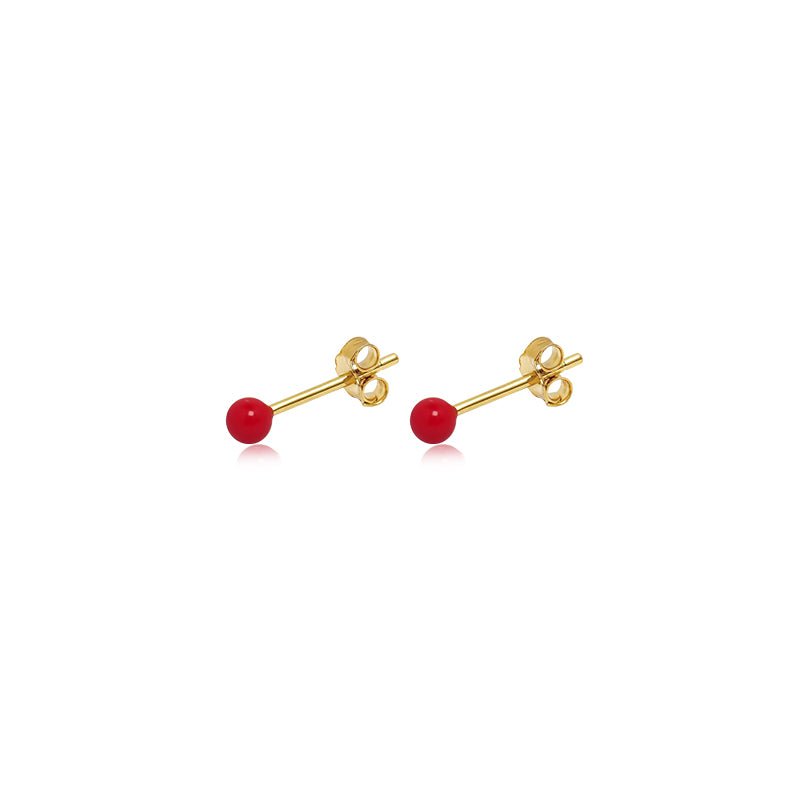
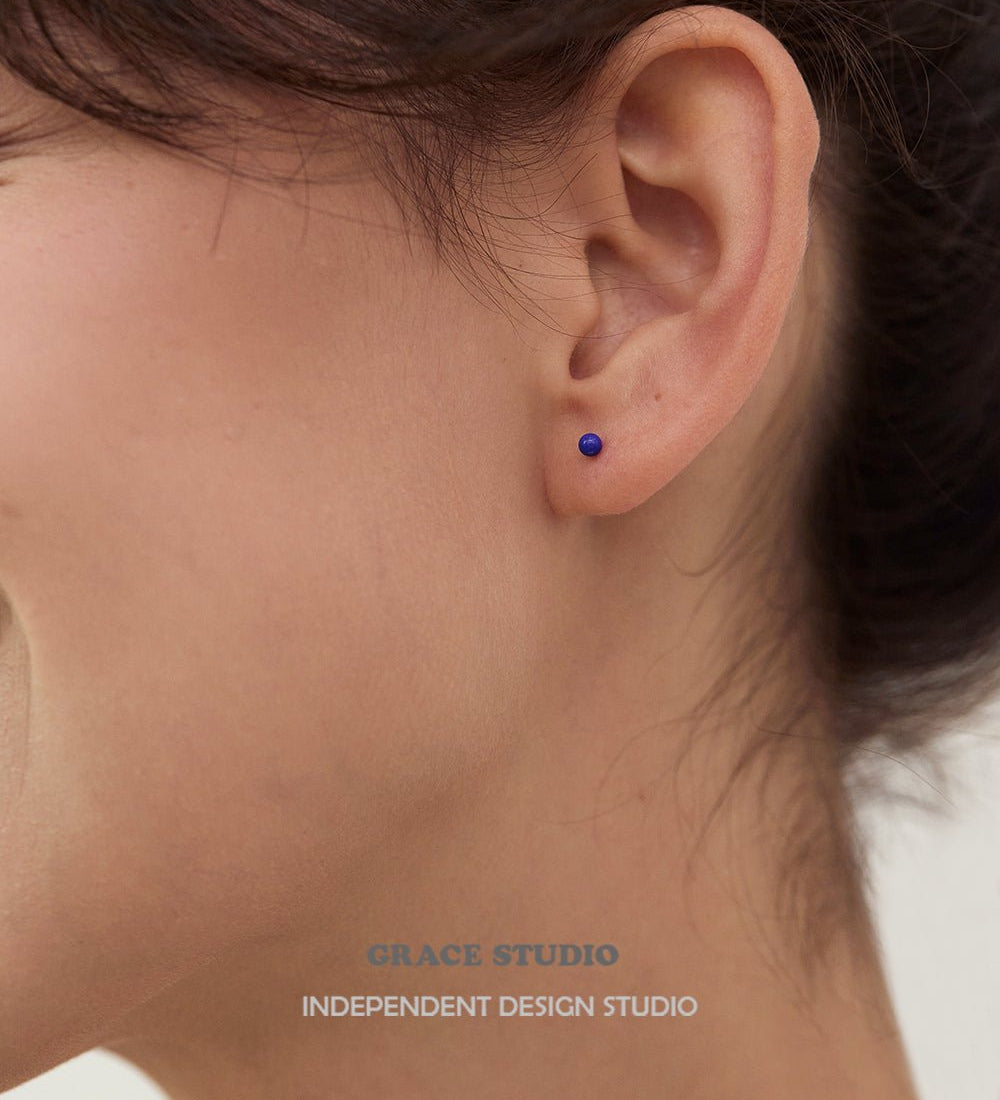
Small studs, mini hoops, tiny pearl earrings, and clean metal shapes are usually the most wearable. They don’t pull much, they stay more secure, and they’re easier to match with normal clothes.
A few easy examples:
- Small pearl clip-ons with a white shirt
- Silver mini hoops with a black tee
- Gold studs with a soft knit cardigan
- Matte black studs with a blazer
- Small crystal clips for dinner after work
Neutral tones such as gold, silver, pearl, black, and soft white tend to work with more outfits. If you wear your hair down, smaller clip-ons are also less likely to get caught.
Styling Clip-On Earrings for Formal Events

Clip-ons can work well for weddings, dinners, galas, and photo shoots because you can wear a bigger earring without pierced ears.
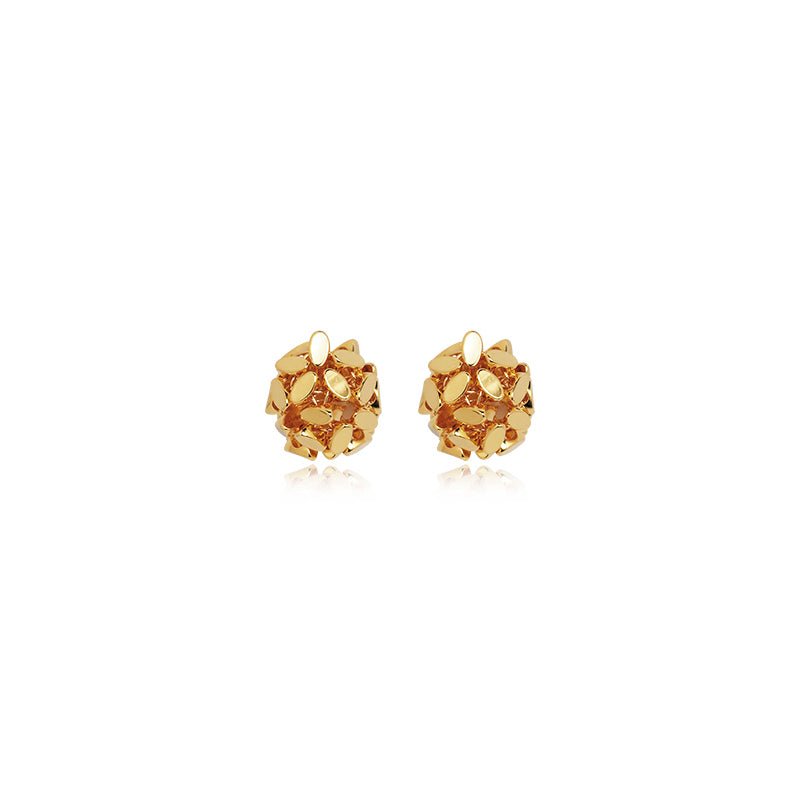
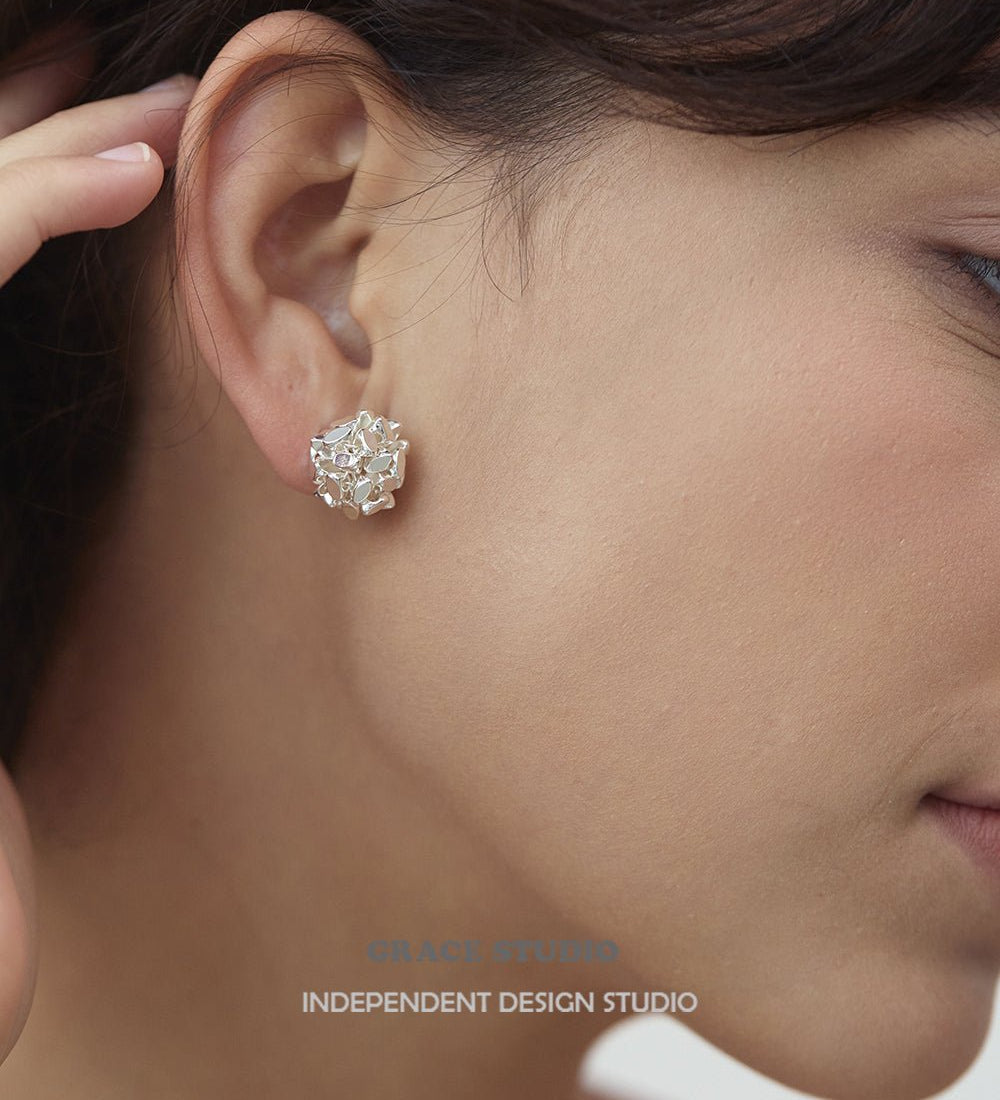
For formal outfits, drop earrings, pearl clusters, crystal earrings, and chandelier styles can look beautiful. I’d just be more careful with comfort because larger earrings are less forgiving.
Before the event, test them at home. Wear them while walking around, sitting, and turning your head. If they slide or pinch after 20 minutes, they’ll probably bother you more later.
For heavier styles, use silicone pads or clip stabilizers. You can also wear your hair up or tucked behind your ear so the earrings sit clearly and don’t get tangled in your hair.
Why Wear Clip-On Earrings?
Clip-on earrings are made for ears without piercings. They don’t go through your ear. They stay in place by pressing gently on your earlobe. I think they make sense if:
- You don’t want to pierce your ears
- Your piercings have closed
- Your ears react badly to some metals
- You only want earrings for one event
- You want to see how earrings look on you first
That last one is underrated. Sometimes you don’t know if earrings suit your face, haircut, or style until you actually try them.
Maybe you want pearl earrings for a wedding. Maybe you want a silver sculptural pair for photos. Maybe you’ve never worn earrings and you just want to see how one small hoop looks with a black tee.
Clip-ons let you test that without needles, healing time, or a decision you have to think about for weeks.
For kids, they can also be a gentler first step before pierced earrings. I’d keep the design small and light. No heavy drops. No tight vintage clips.
Clip-On Earrings for Women and Men
Of course, clip-ons are not just one look.
- For women, you’ll find pearl studs, crystal drops, small hoops, floral designs, sculptural earrings, and bigger statement pairs. A tiny pearl clip-on can look nice with a white shirt and jeans. A crystal drop can work for a dinner dress or a wedding guest outfit.
- For men, I’d usually start simple if earrings are new to you. Matte black studs, small silver hoops, flat geometric shapes, or one clip-on on a single ear can feel easier to wear.
Placement changes a lot too. Try the center of your lobe first. If the earring looks too low or starts pulling downward, move it slightly higher. It sounds tiny, but it can make the earring sit better.
I also like clip-ons for testing a more androgynous or gender-fluid style. You can try the look without piercing your ear first.
Are Clip-On Earrings Still Worn Today?

Yes, people still wear clip-on earrings. You see them in vintage jewelry, costume jewelry, bridal styling, theater, photo shoots, and fashion styling. They’re useful when someone needs to change earrings quickly or wear a dramatic pair for a short time.
Modern clip-ons also look better than many older pairs. Some brands now make clip-on versions of pierced styles, including pearl studs, crystal earrings, hoops, and sculptural designs.
The backs are often smaller now. Flatter too. Some even come with silicone padding already attached, which helps a lot.
Types of Clip-On Earring Backs
Most people call them all “clip-on earrings,” but the back can work in different ways. I’d pay attention to this. The backing affects comfort more than people expect.
| Back Type | Best For | Watch Out For |
|---|---|---|
| Screw Back | Sensitive ears, long wear | Over-tightening |
| Hinge Clip | Vintage & costume styles | Fixed pressure — can pinch |
| Magnetic | Lightweight studs & hoops | Slips with heavy earrings |
| Paddle / Spring | Everyday wear | Hard metal — add silicone pad |
Screw Back Clip-On Earrings
Screw back clip-ons have a small screw that lets you adjust the pressure. I usually find these easier to control. If your ears get sore quickly, screw backs can be a good choice because you can tighten them slowly.
The trick is to stop before they pinch. They should feel secure, not sharp.
Hinge Clip Earrings
Hinge clip earrings use a spring-style clip that snaps closed. You’ll see these often in vintage earrings and costume jewelry. They’re easy to put on, but some feel tight because the pressure is fixed.
If you love the design but hate the pinch, try silicone pads before you give up on them.
Magnetic Earrings
Magnetic earrings use magnets on both sides of your earlobe. They can feel gentler because they don’t clamp in the same way as metal clips. But I wouldn’t use them for heavy earrings. They may slide or come off if the design has too much weight.
For magnetic earrings, I’d keep it small: tiny studs, small hoops, or lightweight shapes.
Paddle Back or Spring Clip Earrings
Paddle back clip-ons have a wider back piece that presses against your earlobe.
They’re common and easy to wear. Still, the pressure can feel strong after a while, especially if the back is hard metal.
A small silicone cushion on the paddle can turn a painful pair into a wearable one.
FAQ
How to wear clip-on earrings for men?
If you’re a man trying clip-on earrings for the first time, I’d start simple.
Small black studs, silver hoops, flat silver shapes, and single-ear styling are easy entry points. They work with casual outfits and sharper looks, such as a black tee, denim jacket, white shirt, or tailored coat.
You don’t have to wear a pair. One clip-on can feel more natural if you’re still testing the style.
For a cleaner look, place the earring near the center of the lobe. If you want something stronger, try a slightly larger hoop, an ear cuff, or a sculptural piece.
Hair matters too. Short hair, a fade, tucked hair, or slicked-back styling can make the earring look more intentional.
What are downsides of clip-on earrings?
Clip-ons are useful. They’re also a little fussy. The main downsides are pretty practical:
- They can pinch if the clip is too tight
- They can slip if the clip is too loose
- Heavy styles can pull on the lobe
- Some backs look bulkier than pierced earring backs
- Long wear can cause soreness
Most of these problems can be reduced with lighter earrings, better backs, silicone pads, and short breaks.
Still, if a pair hurts every time you wear it, I’d stop wearing it. I know that sounds obvious, but I’ve definitely tried to convince myself a painful pair was fine because it matched the outfit.
Are clip-on earrings noticeable?
Usually, they’re not very noticeable from the front. Modern clip-ons can look close to pierced earrings, especially if the backing is slim. Studs, pearls, small hoops, and drop earrings often hide the clip well.
Clear silicone pads and flatter backs also help. If you’re worried about the back showing, avoid bulky clip mechanisms. Look for slimmer backs, decorative backs, or designs where the front part covers most of the clip.
Hair helps too. Wearing your hair slightly over the ear can hide the backing while still letting the earring show.
Infographic






Leave a comment