
How I choose work jewelry: office jewelry should help you feel put together
I like work jewelry best when it makes an outfit feel finished without getting in the way.
For me, that usually means small hoops, a simple necklace, a watch, or one ring I enjoy wearing. Nothing too loud. Nothing I have to adjust all day.
Jewelry is also an easy way to make office outfits feel more intentional, especially if you’re still getting used to dressing for work again. A plain knit and black trousers can feel much better with gold hoops and a slim watch.
So this isn’t a list of strict rules. It’s just how I think about choosing jewelry that feels polished, comfortable, and still like me.
My usual office jewelry filter
Before I wear jewelry to work, I usually ask myself three things.
Will this bother me by lunch?
Will it make noise?
Does it work with what I’m wearing?
That’s really it.
I don’t think work jewelry has to be plain. I do think it needs to behave a little. You should be able to type, talk, walk into a meeting, drink coffee, reach into your bag, and get through the day without thinking about your earrings every 20 minutes.
Because once I start noticing a piece all day, it’s usually not a work piece for me.
I usually wear fewer pieces than I think I need
Most workdays, three or four pieces feel like enough.
You might wear:
- Small earrings
- A necklace
- A watch
- A wedding ring or simple band
That combination works with a lot of office outfits. It gives you some detail without making the outfit feel crowded.
Of course, your style might be more layered than mine. Maybe you love rings. Maybe you always wear three necklaces. I’m not trying to talk you out of that. I’d just give each piece some room.
If I wear larger earrings, I usually skip the necklace. If I wear a bolder ring, I keep the bracelet slim. If my watch has a metal band, sometimes that’s enough on my wrist.
Before I leave, I do a quick mirror check. Nothing dramatic. I just ask myself what I notice first.
If the jewelry is the first thing I see, I usually take one piece off.
Related video
Noisy jewelry is where I get picky
This is one of those things you may not notice at home.
A bracelet seems fine while you’re getting dressed. Then you sit down, open your laptop, start typing, and there it is. Tap, tap, tap. Against the desk. Against the keyboard. Against your coffee mug.
After an hour, it bothers you. After three hours, the person next to you may be bothered too.
So I’m careful with bangles, charm bracelets, loose cuffs, and long earrings. I still like them. I just don’t always like them for desk days.
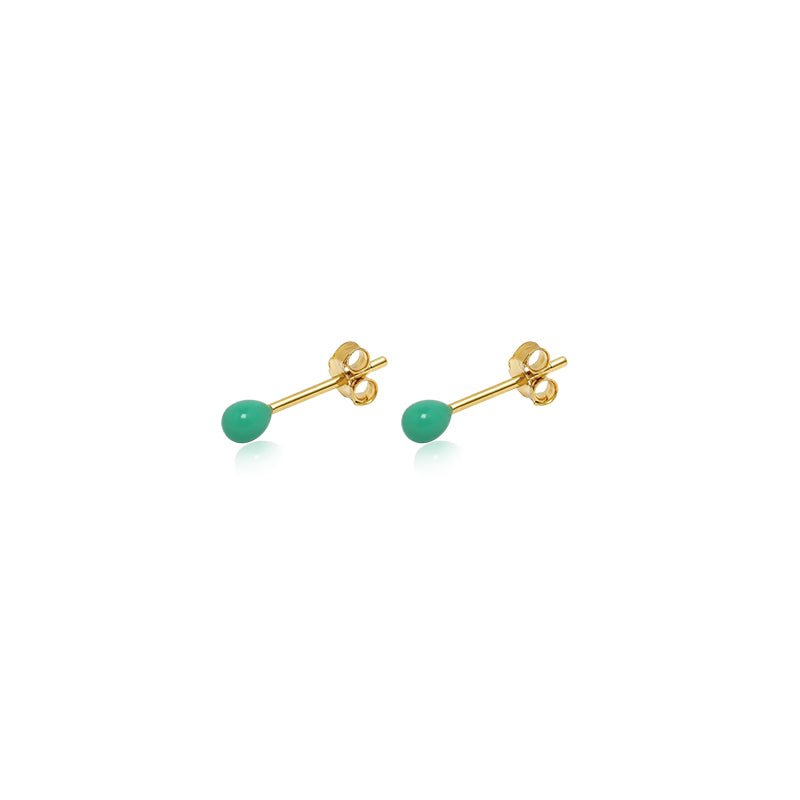
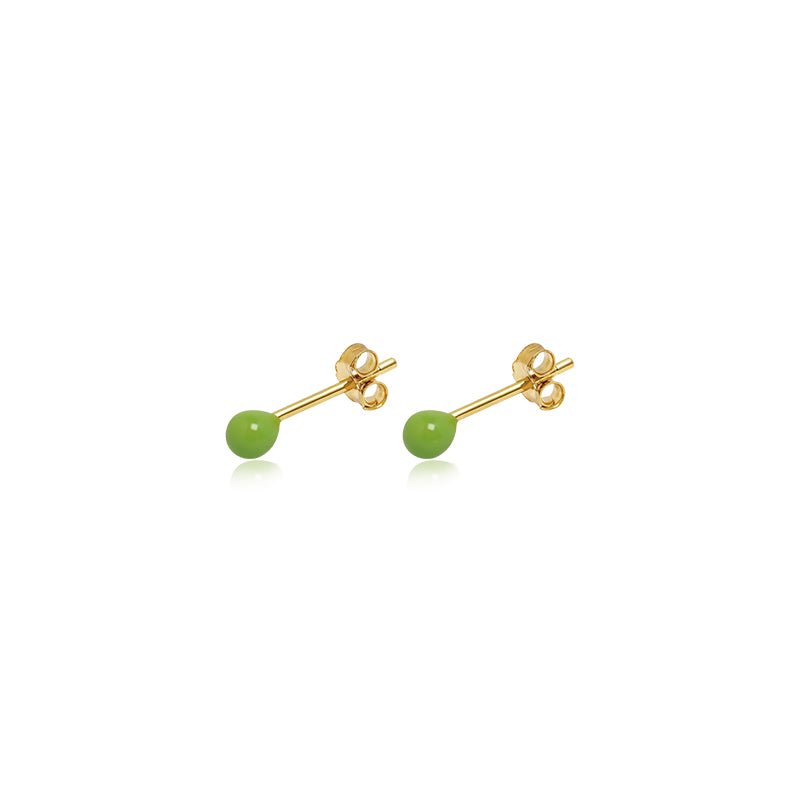
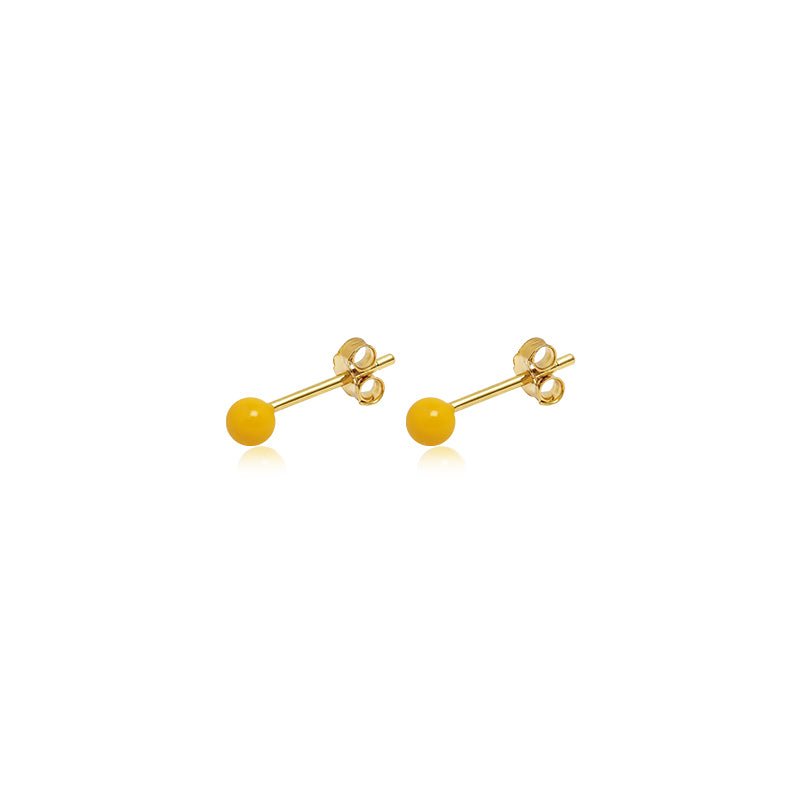
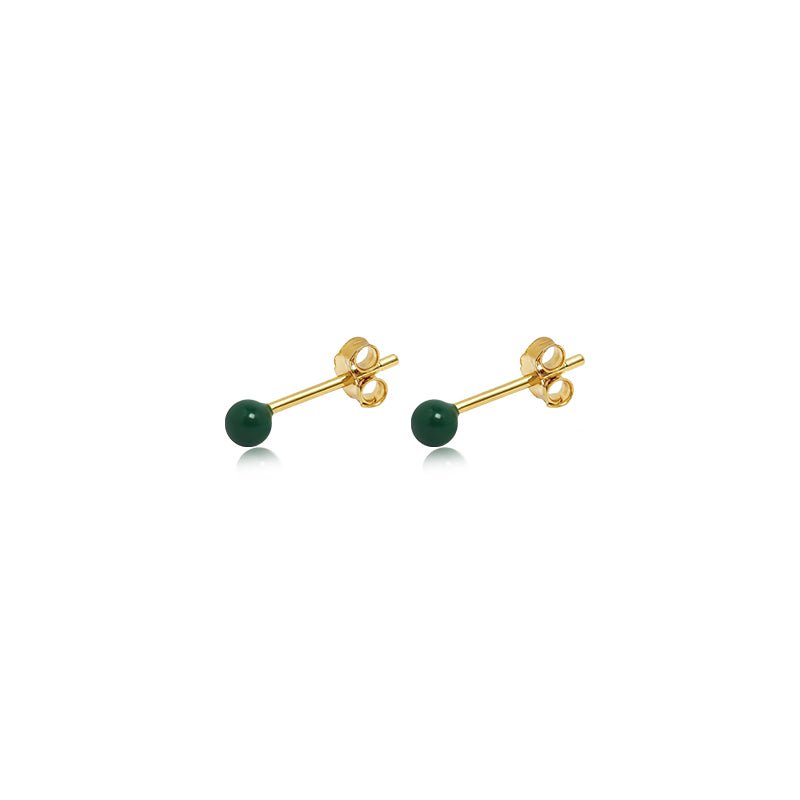
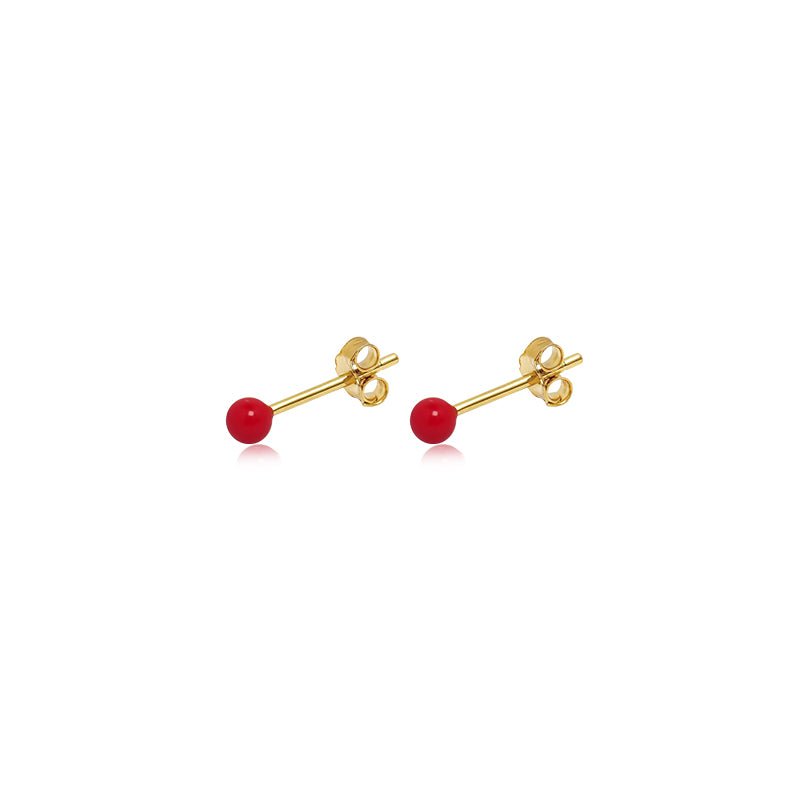
The pieces I reach for most stay close to the body. Studs. Huggies. Small hoops. Slim chain bracelets. Smooth cuffs that fit well. Watches with secure bands.
My very basic test: sit down and type for a minute. Reach for your coffee. Open your laptop. Move your hand the way you normally do.
If the bracelet taps, slides, catches, or makes you aware of it the whole time, I’d save it for another day.
Comfort matters more than I used to think
A piece can be beautiful and still be wrong for work.
I’ve learned this the annoying way. Earrings that feel fine for 30 minutes can start pulling by 2 p.m. A ring that fits in the morning can feel tight after coffee, lunch, and a warm office. A necklace that looks lovely in the mirror can twist around all day and make you a little crazy.
So now I pay attention to comfort first.
For earrings, I like lightweight styles. For necklaces, I look for secure clasps and lengths that sit well with my clothes. For rings, I leave a little room because fingers can swell during the day.
Skin comfort matters too. If certain metals make your ears itch or leave green marks on your fingers, it may be worth being more selective with the pieces you wear often. Sterling silver, solid gold, gold-filled jewelry, titanium, and hypoallergenic stainless steel are usually better for regular wear.
You don’t need expensive jewelry for work. I just think you need pieces that feel good on your skin and still look clean after more than a few wears.
Match the jewelry to yourself first
There’s a lot of generic advice about office jewelry. Some of it helps. Some of it doesn’t.
Your features matter. Your frame matters. Your hair, your clothes, your job, your mood that morning. All of it changes what feels right.
If you have delicate features or a petite frame, smaller jewelry may feel more natural. If you have thick hair, stronger features, or a taller frame, you might like jewelry with more presence.
Clothes change the whole thing too.
A structured blazer often looks good with small hoops and a slim watch. A plain sweater can usually handle a longer necklace. A printed blouse may need only small earrings because the fabric already has plenty going on.
I like jewelry best when it feels connected to the outfit. It shouldn’t look like I grabbed random pieces from a dish by the door, even if, honestly, that is sometimes exactly what happened.
The small work jewelry collection I’d build first

You don’t need a huge jewelry drawer.
A small group of reliable pieces is easier. You can see what you own. You wear what you own. You don’t waste ten minutes untangling necklaces when you’re already running late.
If I were building a work jewelry collection from scratch, I’d start here:
- One pair of studs
- One pair of small hoops
- One simple necklace
- One watch
- One slim bracelet
- A few rings that feel easy to wear
That’s enough for most work weeks.
Start with earrings

Earrings are usually the easiest office jewelry because they frame your face. They show up in conversations, meetings, presentations, and video calls. They also make a plain top look more finished.
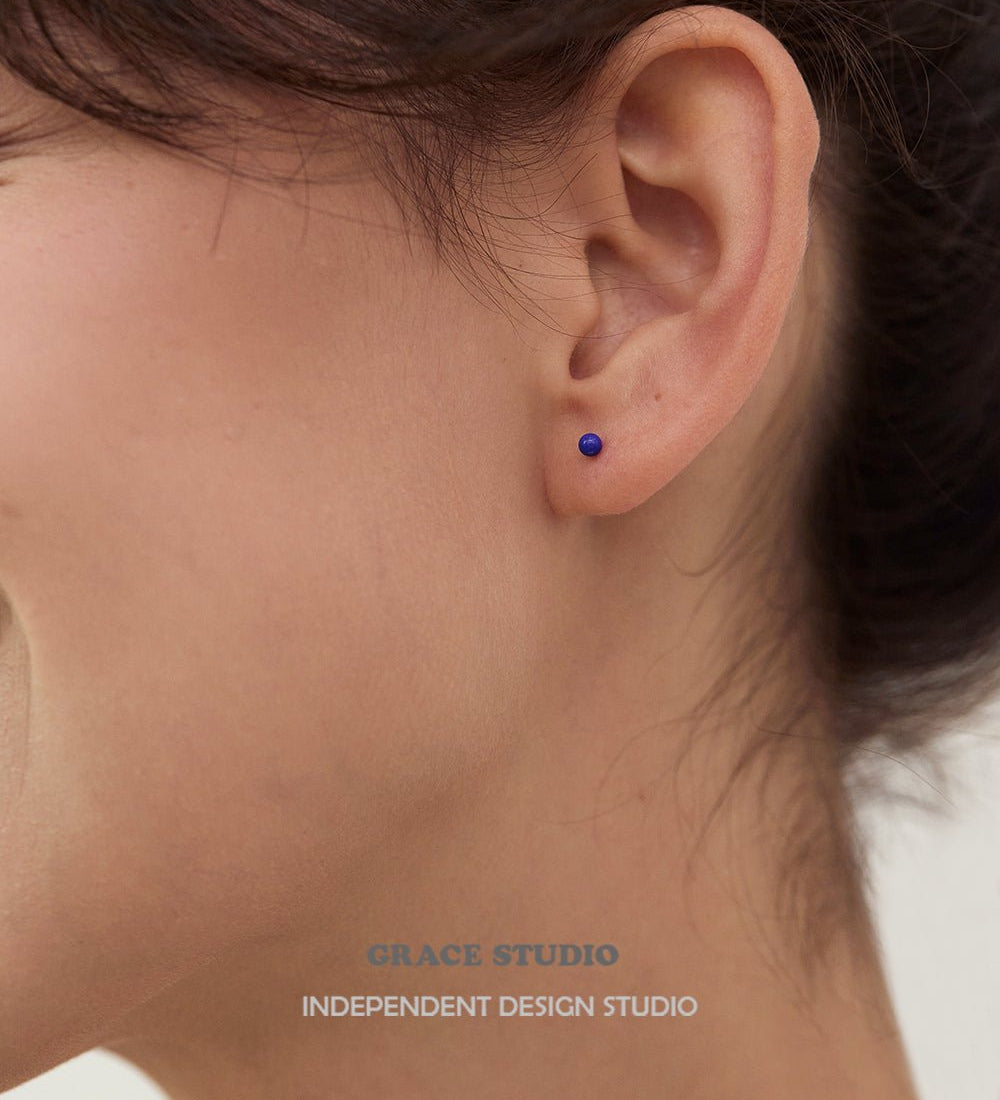
If you’re starting small, I’d go with studs, small hoops, or huggies.
Diamond studs, pearl studs, and simple metal studs work in almost any office. Small hoops feel a little more current but still neat. Huggies are great because they sit close to the ear and don’t swing around when you move.
I love a dramatic earring. Truly. But I don’t usually pick one for a normal office day. Heavy earrings, oversized hoops, and shoulder-length styles tend to feel better for dinners, parties, creative events, or relaxed work settings.
A good starter set is simple: one pair of studs and one pair of small hoops.
You can do a lot with those two.
Add one necklace you can wear again and again

A good necklace can change the whole feel of a blouse, sweater, or dress.
For work, I like necklaces that are simple enough to repeat but still have some detail. A fine cable chain looks clean. A rope chain adds texture. A herringbone chain feels sleek. A paperclip chain feels a bit more modern. A Figaro chain gives a little pattern without looking too loud.
Small pendants are useful too. You might try a tiny stone, a pearl, a gold bar, a circle pendant, or a simple initial.
A single pearl pendant can soften a blazer. A small gold pendant can make a white button-down feel less bare. A tiny stone on a fine chain can add color without making the outfit feel dressy.
Necklace length matters more than people think. Short necklaces work well with open collars, V-necks, and scoop necks. Longer chains look good over crew neck sweaters and high-neck tops.
If you like layered necklaces, I’d keep the layers delicate for work. Two thin chains usually feel easier than three pendants fighting each other.
| Necklace length | Sits at | Works best with |
|---|---|---|
| 14–16 in (choker) | Collarbone | Open collar, V-neck, scoop neck |
| 18 in (princess) | Just below collarbone | Most necklines, everyday default |
| 20–22 in (matinee) | Upper chest | Crew neck, turtleneck, blazer |
| 24–30 in (opera) | Mid-chest | Layering, sweaters, high necks |
Bracelets need to pass the desk test

Bracelets can be lovely at work, but they need to stay out of the way.
Your hands move all day. Typing, opening drawers, holding coffee, taking notes, reaching into your bag. A bracelet has many chances to annoy you.
Slim tennis bracelets, fine chain bracelets, and smooth cuffs are usually safer office choices. They add a little shine without much bulk. Adjustable bracelets are helpful because you can keep them close to your wrist.
If you wear a watch, you may not need a bracelet. A watch and bracelet can look good together, but I’d keep both slim so your wrist doesn’t feel crowded.
Large stacks of bangles can be fun. I just don’t love them for typing days. They look great in photos, then spend the day clinking against your laptop and coffee mug.
Rings should feel good while you type

Rings are small, but people do notice them.
Your hands show when you type, write, shake hands, hold papers, pass a coffee cup, or talk in a meeting. That doesn’t mean rings need to be plain. They should just feel comfortable and neat.
For most office settings, I’d wear fashion rings on one or two fingers. Thin bands are easy. You can wear one for a clean look or stack two or three delicate bands if you want more detail.
Small stones work well too. Garnet, moonstone, amethyst, topaz, onyx, and pearl can add color without feeling too flashy. For daily work, I’d keep the stone small or medium.
Large cocktail rings can be gorgeous, but I usually save them for events, dinners, or more casual office days. For regular workdays, I’d rather wear rings that don’t catch on fabric or make typing uncomfortable.
A watch still feels useful

I know we all have phones, but I still love a watch for work.
It makes an outfit feel more complete. It’s also practical in meetings. Checking your watch usually feels less distracting than picking up your phone. Even when you only want the time, your phone can make it look like you’re checking messages.
For office wear, I’d look for a clean design. A simple face, leather strap, metal band, or two-tone band can work with a lot of outfits.
A two-tone watch is especially useful if you like mixing gold and silver jewelry. It makes the mix look more intentional.
Your watch does not need to be expensive. It just needs to be clean, comfortable, and easy to wear with your usual work clothes.
Brooches and pins are underrated
I think brooches and pins deserve more attention.
A small pin can make a blazer, coat, cardigan, or dress feel personal without much effort. It can show a cause you care about, a professional group, or simply your taste.
For the office, I’d look at pearl designs, small floral pins, gold shapes, simple geometric pins, or vintage-inspired pieces.
Size matters here. A large sparkling brooch may feel too formal for a normal workday. A small polished pin on a blazer lapel can look thoughtful and neat.
It’s also a good option if you don’t like necklaces or bracelets. You still get a little detail, but nothing is touching your neck or wrist.
Materials matter when you wear the same pieces often
Office jewelry gets repeated. That’s where material makes a difference.
Very cheap plated jewelry can look fine at first, but it often fades, flakes, tarnishes, or irritates your skin. And when jewelry starts looking worn in a bad way, the whole outfit can feel less polished.
I’d rather own fewer pieces that I can wear often.
Start with the items you reach for most: earrings, a necklace, a watch, or a bracelet. Those are the pieces worth buying in better materials when your budget allows.
Good quality does not have to mean luxury. Sterling silver, gold-filled jewelry, stainless steel, titanium, and solid gold usually hold up better than very cheap plated metals.
Gold-filled jewelry can be a good middle option

Solid gold lasts a long time, but it can be expensive.
Gold-filled jewelry is often a practical middle option for work. It has a thicker layer of gold bonded to a base metal, so it usually lasts much longer than standard gold-plated jewelry.
I like gold-filled pieces for everyday chains, small hoops, bracelets, and simple rings. You get the look of gold without paying solid-gold prices.
Gold-plated jewelry can still be useful for occasional pieces or trends. I just wouldn’t expect it to handle several wears a week forever.
(Related article: What's the difference between gold-plated and solid gold)
Mixed metals can work

| Material | Durability | Best for |
|---|---|---|
| Solid gold | Lifetime | Everyday investment pieces |
| Gold-filled | 5–30 years | Daily wear on a budget |
| Sterling silver | Long-lasting | Classic, cool-tone looks |
| Titanium | Very long-lasting | Sensitive skin, active wear |
| Stainless steel | Long-lasting | Affordable everyday pieces |
| Gold-plated | Months to 1–2 years | Trend pieces, occasional wear |
You can wear gold and silver together at work. I do it, and I think it can look great when the mix feels intentional.
The easiest way is to wear one piece that already includes both metals. A two-tone watch is the simplest example. A mixed-metal ring, bracelet, or necklace can do the same thing.
For example, you could wear a two-tone watch with gold hoops and a silver ring. Since both metals already appear in the watch, the rest of the jewelry feels connected.
Without a mixed-metal piece, I’d try to repeat each metal at least once. Gold earrings with one silver ring can feel a little random. Gold earrings, a silver watch, and a ring with both colors usually feel more pulled together.
(Related article: Common types of metal for jewelry making)
What I’d wear for different workdays
Your jewelry does not have to be the same every day. A regular office day, job interview, client meeting, video call, and office party can each call for a slightly different version of you.
| Occasion | Go-to pieces | Avoid |
|---|---|---|
| Regular office day | Small hoops, delicate necklace, watch | Loud bangles, oversized earrings |
| Job interview | Studs, thin necklace, watch | Bold stones, noisy bracelets |
| Presentation | Pearl earrings, slim bracelet, clean watch | Sparkly or distracting pieces |
| Video call | Studs, huggies, delicate necklace | Swinging earrings, high-glare pieces |
| Formal event | Drop earrings, pearl necklace, bracelet | Overly casual or minimal pieces |
| Office party | Colorful earrings, chunky chain, brooch | Nothing — have fun |
Regular office days

For daily office wear, I like pieces I can put on without thinking too much.
A typical combination might be:
- Small hoops
- A delicate necklace
- A watch
- One ring
This works with blouses, trousers, sweaters, dresses, and blazers. It’s repeatable, which is exactly what I want on a normal workday.
Daily jewelry should not need babysitting. If a necklace tangles every time you wear it or a bracelet slides around your wrist all day, you’ll probably stop reaching for it.
The best everyday pieces are the ones you forget about once they’re on.
(Related article: What is classic jewelry)
Job interviews

For a job interview, I’d keep jewelry calm.
Small studs, huggies, a thin necklace, a watch, and one simple ring are usually enough. I’d avoid noisy bracelets, oversized earrings, bright stones, or anything I might fiddle with while answering questions.
My personal interview rule is this: wear pieces that don’t need explaining.
Save unusual, sentimental, or bolder jewelry until you know the company culture better. You want people focused on what you’re saying.
Presentations and client meetings

For an important meeting or presentation, I might choose jewelry with a bit more structure.
Pearl earrings. A textured chain. A slim bracelet. A clean watch. One stronger ring.
If you use your hands while speaking, a neat ring or bracelet can make your gestures feel more polished. I’d still avoid anything loud or sparkly. The goal is to look calm, prepared, and like you paid attention when you got dressed.
Video calls

For video calls, earrings and necklaces usually matter most. Bracelets and rings may not show unless you talk with your hands.
Small hoops, pearl studs, diamond studs, huggies, and delicate necklaces work well on camera. They frame your face and make a plain top feel more finished.
I’d avoid earrings that swing too much or catch too much light. Movement and glare can be distracting on screen.
A small hoop or pearl stud is usually enough.
Formal work events

Company dinners, award ceremonies, charity events, and evening receptions usually give you more room for dressier jewelry.
Pearl necklaces, diamond bracelets, drop earrings, and slightly larger stones can all work. I’d match the jewelry to the event. A black-tie dinner can handle more shine than a business lunch.
Still, I like balance. If you wear bold earrings, go easy on the necklace. If you wear a stronger necklace, choose smaller earrings.
Office parties
Office parties are a good time to wear jewelry that feels more like you.
Maybe that’s colorful earrings, a vintage brooch, an artistic pendant, or a bolder ring. You’re still around coworkers, so I’d keep it appropriate, but there’s usually more room to have fun.
One formula I like: simple clothes with one more expressive piece.
A black sweater and trousers with colorful earrings. A plain dress with a vintage pin. A white shirt and jeans with a chunkier chain.
Easy, but not boring.
(Related article: How to choose wedding jewelry)
Match jewelry to what you’re wearing
When I’m not sure what jewelry to choose, I look at my neckline first. Then the fabric. Then the overall shape of the outfit.
Your clothes usually give you the answer.
Tailored suits

A tailored suit already has structure, so I usually keep the jewelry clean.
Diamond studs, pearl studs, slim watches, station necklaces, and matched metals all work well. A station necklace gives a little detail without looking heavy. A clean watch keeps the outfit sharp. Stud earrings keep attention near your face.
For a dark suit, silver can feel crisp. Gold can add warmth. I’d choose the metal that works best with your skin tone, shoes, belt, or bag.
Button-down shirts

Button-down shirts create a natural frame around the neck, which makes them great for simple necklaces.
You can wear a small pendant inside an open collar or layer two thin chains at different lengths. A paperclip chain, fine rope chain, or small pearl pendant can soften the structure of the shirt.
If your shirt has a bold pattern or bright color, I’d keep the jewelry simple. If your shirt is plain white, blue, or striped, you have more room to add texture with your necklace or earrings.
Crew neck sweaters

Crew neck sweaters can look a little flat because the neckline is high and round. A longer necklace can help break up that shape.
Try a slim pendant, long chain, or fine rope necklace over the sweater. This looks especially good with neutral knits in black, cream, gray, navy, or camel.
You can also add one interesting ring. Since the neckline is simple, a ring gives the outfit a small detail without crowding the top half.
Blazers and blouses

A blazer and blouse already give you structure, so jewelry can add softness and detail.
Small hoops, a fine chain, a slim bracelet, or a clean watch all work well. If the blouse has a bow, ruffles, lace, or a busy print, I’d skip the necklace and focus on earrings.
If the blouse is plain, a small pendant or delicate chain can fill the space nicely.
Sheath dresses

Sheath dresses are simple and office-friendly. The best jewelry depends on the neckline.
For a V-neck sheath, I’d try a small pendant. For a high neckline, I’d skip the necklace and wear huggies, a bracelet, and stackable rings. For a scoop neckline, a short chain or pearl necklace can fill the space well.
Because sheath dresses have a clean shape, bulky jewelry can feel heavy. Smaller pieces usually look better unless the event is formal.
How I add personality without going too far
Office jewelry does not have to be dull. You can bring in color, texture, shape, and personal details while still looking work-appropriate.
Choose one piece with more presence
Bolder jewelry can work at the office when the rest of the outfit stays simple.
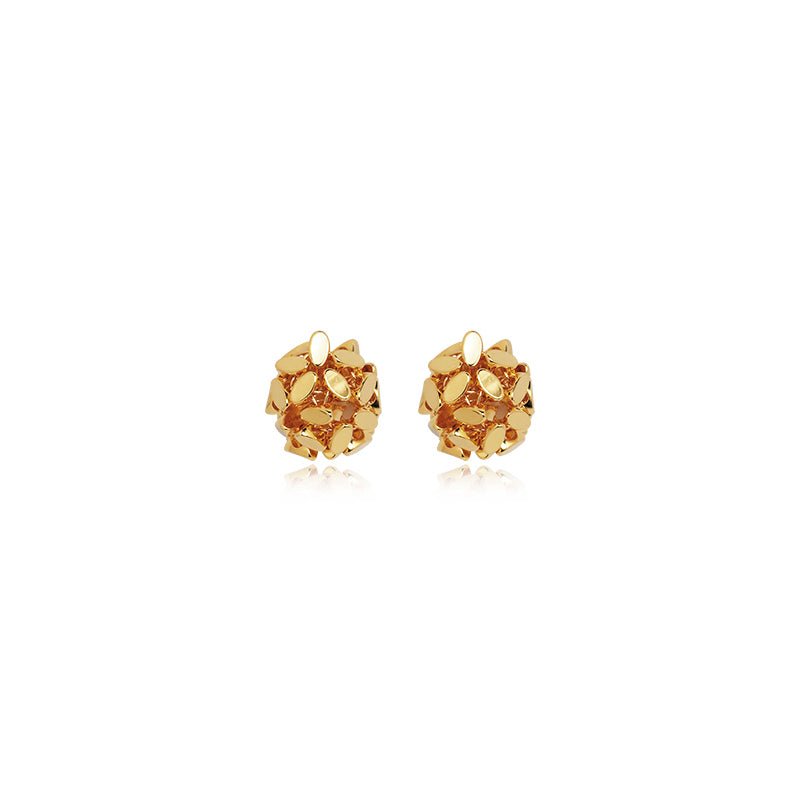
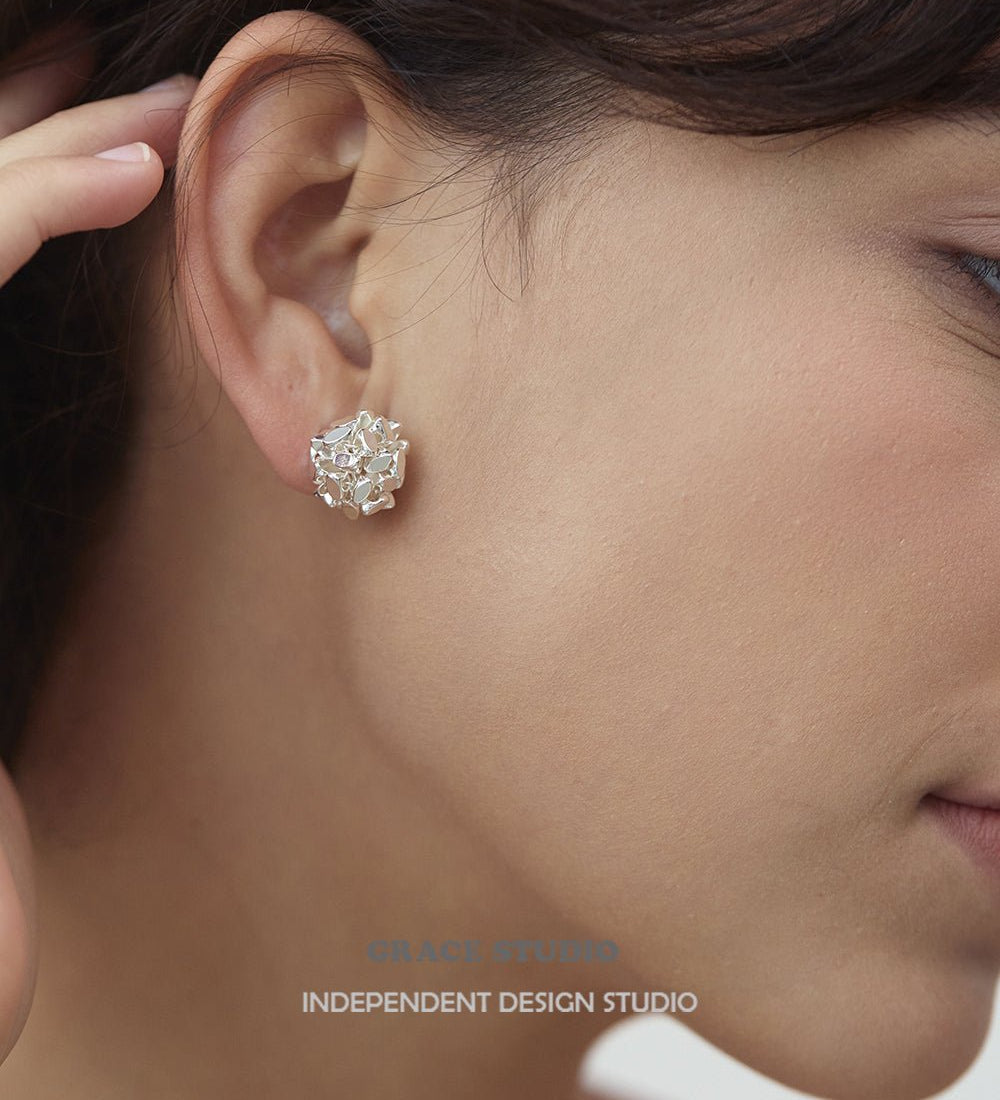
That piece might be colorful earrings, a sculptural ring, a textured necklace, or a unique brooch. I’d let that one piece do most of the work.
If you wear bold earrings, you might skip the necklace. If you wear a large turquoise ring, you might avoid bracelets on that hand. If you wear a chunky chain, simple studs will probably feel better than another bold piece near your face.
One stronger piece keeps the outfit from feeling crowded.
Use color in small doses
Color can make basic office outfits feel more personal. Semi-precious stones, enamel, and small beads are easy ways to bring it in.
Soft jewel tones usually work well. Think dark green, navy, burgundy, amber, blush, muted purple, or pearl.
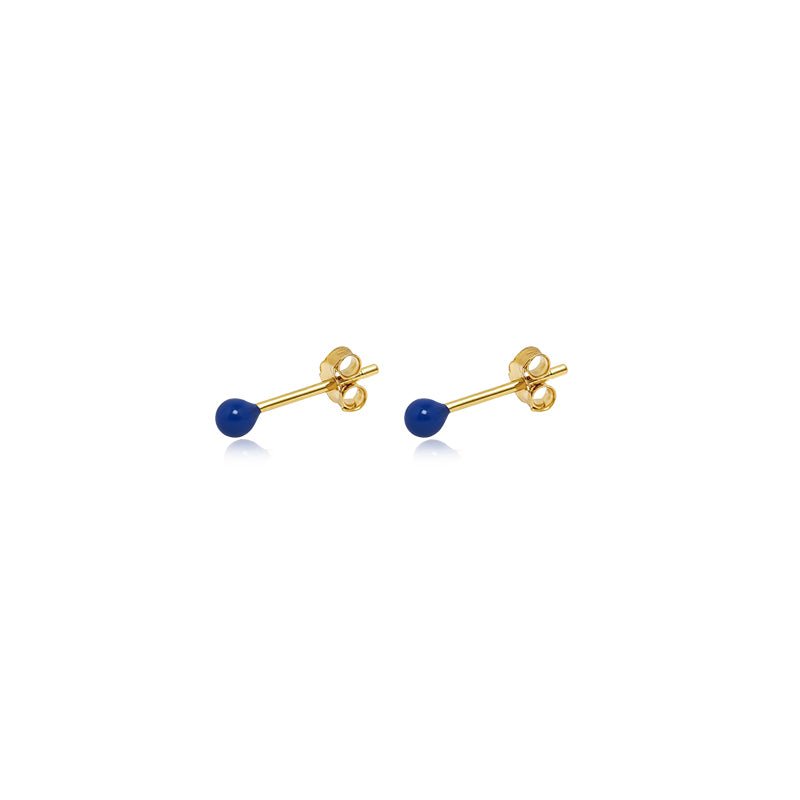
A small green pendant can brighten a white blouse. Navy enamel studs can make a gray sweater feel less plain. A garnet ring can warm up a black suit.
In a conservative office, I’d usually keep it to one colored piece. In a creative office, you may have more room to play.
Try trendier pieces on relaxed days
Casual Fridays are a good time to wear jewelry that feels more relaxed. You might try a chunkier chain, creative earrings, a playful pendant, or a bracelet with more texture.
It’s also a good time to test new pieces.
Do they make noise? Do they catch on your clothes? Do you keep touching them? Do coworkers comment on them every time you walk by?
That last one isn’t always bad, but it tells you the piece is noticeable. Sometimes that’s fine. Sometimes you may decide it’s better for dinner than the office.
Even on casual days, trendier jewelry usually looks better with simple clothes. A white shirt, jeans, loafers, and one interesting necklace can feel easy without going too far.
Taking care of the pieces you wear to work
Work jewelry gets a lot of use. It picks up lotion, perfume, makeup, sweat, dust, and hand sanitizer. A little care keeps it looking clean and ready to wear.
Store pieces so you can actually see them
Store jewelry separately so it doesn’t tangle or scratch. Thin chains knot easily. Soft metals can scratch when they rub against harder pieces.
Use small pouches, a lined jewelry box, ring trays, or separate compartments. Hang necklaces when you can. Keep earrings together so you’re not searching for the missing one when you’re already late.
Good storage also saves time. When your jewelry is easy to see, getting dressed feels much faster.
Clean it before it looks dull
Jewelry can look dull after a few wears, even when it’s good quality.
For many simple pieces, a soft cloth is enough. Some jewelry can handle mild soap and warm water, but pearls, delicate stones, and plated pieces need gentler care.
Fine jewelry, especially diamond rings and engagement rings, can be cleaned by a jeweler about twice a year. A jeweler can also check clasps, prongs, and settings before anything gets loose.
Take jewelry off for hands-on work
I’d take jewelry off anytime it could get damaged or become unsafe.
This especially matters if your work involves machinery, chemicals, labs, kitchens, healthcare settings, or physical tasks. Rings can catch on equipment. Bracelets can get in the way of gloves. Necklaces can get pulled. Chemicals can damage metals and stones.
Even in a regular office, it helps to remove delicate rings before using strong cleaning products, moving heavy boxes, or doing anything hands-on.
It protects the jewelry. It protects you too.
(Related article: How to keep jewelry from tarnishing)
The way I’d sum it up
For me, work jewelry comes down to this: wear pieces that help you feel polished, comfortable, and like yourself.
Start small. Try simple earrings, a delicate necklace, a quiet bracelet, a watch, and a few neat rings. Then adjust based on your outfit, workplace, and day.
Keep jewelry subtle for interviews. Wear pieces with a little more presence for important meetings. Focus on earrings and necklaces for video calls. Bring in more personality for office parties and relaxed Fridays.
When your jewelry works for your real life, it becomes one less thing to fuss over in the morning. It finishes your outfit, feels good all day, and helps you walk into work feeling ready without feeling overdone.
Infographic






Leave a comment