
How to Build a Small Jewelry Capsule You Will Actually Wear
I used to think a jewelry capsule needed a neat formula: studs, a chain, a watch, and a ring. It looked tidy on paper, but generic once I tried to apply it.
A useful capsule starts with your actual week. Maybe you wear hoops most days and never touch bracelets. Maybe a cord pendant works with nearly every shirt, while a fine chain disappears under your knitwear.
For most people, six to twelve pieces is plenty. The collection does not need to look minimal. It needs to earn its space.
What a Jewelry Capsule Actually Is

A jewelry capsule is a small group of pieces that work with your clothes, routine, and each other.
I like to give every piece a job. One pair of earrings handles long days. Another adds more shape. A chain works alone or under pendants. The collection stays small, but the roles should feel different.
For example, a simple eight-piece capsule could include:
- Everyday earrings
- A second pair of earrings
- A simple chain
- A pendant or second necklace
- A bracelet or watch
- An everyday ring
- One statement piece
- One sentimental or signature piece
Treat that as a draft. Replace bracelets if you never wear them, or build around necklaces, rings, cuffs, and brooches if your ears are not pierced. A daily watch may already cover one slot.
A Capsule Is Not the Same as Minimalist Jewelry
A capsule describes how the collection works. Minimalist describes how the jewelry looks.
You can build a very useful capsule with chunky hoops, colored stones, broad cuffs, pearls, vintage pieces, sculptural rings, or mixed metals. A fine chain and tiny studs are not automatically more useful because they look simple.
I would rather have eight pieces with separate jobs than twelve items that look nearly identical once worn. The result can be classic, bold, romantic, or mixed. It should still look like your jewelry.
How Many Pieces Do You Really Need?
There is no exact number, but a range helps.
- Six pieces gives you a simple starter capsule.
- Eight pieces gives you more room for work, weekends, and one stronger option.
- Ten to twelve pieces suits someone who changes jewelry often or wants separate choices for travel and dressier plans.
Think about frequency before quantity. Four pairs of earrings may make sense when you wear them daily. If you mostly wear necklaces and rings, shift the numbers.
Capsule Size by Routine
Use your real week to choose a starting size instead of aiming for a fixed number.
| Routine | Starting size | Main focus |
|---|---|---|
| Simple daily uniform | 6 pieces | Reliable everyday options |
| Work, weekends, and dinners | 8 pieces | One clear role per piece |
| Frequent outfit changes | 10 to 12 pieces | More lengths, shapes, and formality |
| Earring-focused style | 6 to 10 pieces | Several distinct pairs, fewer other categories |
| Travel-only capsule | 5 to 7 pieces | Comfort, security, and repeat wear |
Try explaining the job of every piece in one sentence. Two identical answers may reveal a duplicate. A recurring outfit problem may reveal a gap.
Start With What You Already Own

Begin with your own jewelry box.
Do not shop first. Pull everything out of drawers, pouches, travel cases, and the small boxes where forgotten earrings tend to sit. Place it all on a soft surface.
Then sort them into a few honest groups:
- Wear regularly
- Wear sometimes
- Needs cleaning or repair
- Sentimental but rarely worn
- Never worn
- Unsure
You are looking for patterns, not making final decisions.
Use the Last 30 to 90 Days as Evidence
We often think we wear a piece more than we do. Check the past month or two, including photos from work, weekends, travel, or dinner.
You may find that:
- The same small hoops appear in half your photos.
- One pendant works with nearly every open shirt.
- Your bracelets stay in the box.
- You choose one ring because the others feel bulky.
- Statement earrings come out only for dinner.
- You own more gold, but reach for silver.
- Several chains look different in storage and almost identical when worn.
That is useful information. It tells you where the capsule already exists inside the larger collection.
For 30 days, place every worn piece in one small tray. At the end, compare that tray with the rest of the box. Your real favourites become obvious.
Look for Gaps, Not More Versions of the Same Piece
A gap makes the rest of your collection easier to wear.
A duplicate performs a job that is already covered.
Four 18-inch necklaces may look different in the box but sit the same when worn. A 22-inch necklace could solve a real spacing problem. This guide to choosing the right necklace length can help you compare where different lengths sit.
Other common gaps include:
- Comfortable earrings for a full workday
- A longer necklace for crew necks
- Earrings that remain visible through loose hair
- A low ring that does not catch on knitwear
- A polished option for events
- One piece that connects the silver and gold you already own
Name the problem before buying. “I need lightweight earrings that work with headphones” is far more useful than “I need more jewelry.”
Gap or Duplicate?
This quick check helps you decide whether a new piece adds a real option.
| What you notice | What it suggests | Next move |
|---|---|---|
| Several necklaces sit at the same point | Length duplication | Add a clearly shorter or longer option |
| Your daily earrings hurt by afternoon | Comfort gap | Look for a lighter secure pair |
| Two pieces look almost identical when worn | Same job | Keep the better-fitting one |
| No piece works for dinners or events | Formality gap | Add one stronger option |
| A new piece works with only one imagined outfit | Weak capsule fit | Leave it outside the capsule |
Keep Special Pieces Without Forcing Them Into the Capsule
Not every piece needs a regular job.
Heirlooms, travel souvenirs, formal jewelry, seasonal pieces, and meaningful gifts can stay outside the capsule. This guide explains what usually counts as vintage jewelry when older pieces are part of your wider collection. They do not need an everyday job.
Your capsule supports everyday dressing. The rest can stay personal, occasional, or collectible.
Build Around the Week You Actually Live

Think through a normal week: work, home, friends, travel, exercise, childcare, and hands-on tasks.
Also consider headphones, glasses, scarves, high collars, uniforms, and work equipment. They can change what feels comfortable.
Let Your Routine Set the Categories
An office worker may want polished earrings and a simple necklace. This guide to choosing jewelry for office wear covers comfort, polish, and practicality in more detail. Someone who works with their hands may avoid tall rings and loose bracelets. A parent with a young child may prefer studs, huggies, shorter necklaces, and secure clasps. At home, earrings and necklaces that show on video calls may get more use.
Judge the piece in context. Something beautiful can still be wrong for your day.
Check the Necklines You Wear Most
Your clothing should influence the shape of the capsule.
Look at the tops and dresses you repeat:
- Crew necks
- Open shirts
- V-necks
- High necks
- Blazers
- T-shirts
- Knitwear
- Sleeveless tops
- Strapless or sweetheart necklines
If most of your tops have high necklines, a short pendant may disappear. A longer necklace or stronger earrings may do more.
If you wear open shirts often, a pendant can become one of the hardest-working pieces in the collection.
If long sleeves cover your wrists for most of the year, bracelets may add little. Rings, earrings, and necklaces may deserve those slots instead.
Try the jewelry with your real clothes. A necklace that looks good against bare skin may land awkwardly on your usual collar.
Comfort Is Part of the Design
I would not keep an uncomfortable piece in a small capsule, even if it looks good.
Check:
- Earring weight after several hours
- Whether a clasp feels secure
- Whether a chain twists
- Ring height and sharp edges
- Bracelet movement
- Skin sensitivity
- Hair snagging
- Compatibility with glasses or headphones
- Whether it catches on scarves, collars, or knitwear
An earring that hurts after one hour is an occasional earring. A ring that catches on every sweater is not a reliable work ring. A bracelet that slides over your hand while typing will probably stay in the box.
Wear a new piece around the house for a full day. The first ten minutes can be misleading.
Skip Categories You Never Wear
You do not need a balanced number of rings, necklaces, earrings, and bracelets.
You can build:
- An earring-heavy capsule
- A necklace-focused capsule
- A ring-focused capsule
- A capsule with no bracelets
- A capsule with no earrings
- A capsule where a watch replaces wrist jewelry
Many lists repeat the same categories because they are easy to explain. That does not mean those categories fit everyone.
Choose a Metal and Color System That Feels Natural

A little consistency makes the collection easier to combine. Exact matching is optional. Metal, finish, shape, stones, texture, or color can create the connection.
Option 1: Use One Core Metal
A one-metal capsule is the simplest to coordinate.
You might build mainly around yellow gold, silver, rose gold, white gold, or another finish you already wear.
Choose the metal that appears most in your real outfits. Check your watch, belt hardware, bag details, shoes, and existing jewelry rather than following a generic rule.
One metal still leaves room for different sizes, shapes, textures, stones, and finishes. A polished hoop, hammered ring, and fine chain can feel connected without becoming a matching set.
Option 2: Use One Main Metal and One Accent
This approach gives you some flexibility without making every combination a decision.
You might have six gold-toned pieces, two silver-toned pieces, and one two-tone item that helps connect them. The numbers are not important. The balance is.
Your main metal covers most days. The accent handles outfits with another finish.
It may also stop you from buying every piece twice.
Option 3: Mix Metals on Purpose
Mixed metals tend to look more settled when the combination appears more than once.
You can connect gold and silver through:
- A two-tone watch
- Two-tone earrings
- One mixed-metal pendant
- Similar rounded shapes
- Matching polished finishes
- Repeated stones
- One gold piece and one silver piece worn in separate areas
Polished gold hoops can work with polished silver rings when the finish and shape repeat. Repeat both metals somewhere visible rather than relying on one small clasp.
Decide How Much Color You Want
A capsule can include pearls, stones, enamel, beads, black finishes, or one repeated color. This guide to wearing pearls casually shows how they can work beyond formal outfits.
Ask whether the color works with several outfits you already wear.
A green earring may be easy to repeat if your wardrobe includes cream, navy, black, and denim. An amber pendant may work well with warm brown and rust. A black cord necklace may connect naturally with black shoes, bags, and belts.
One color you wear often may do more than several neutral pieces you find dull.
Use Shape and Texture as the Connection
Pieces bought years apart can still work together.
Look for repeated details:
- Hammered surfaces
- Smooth polished finishes
- Matte metal
- Organic curves
- Geometric forms
- Rounded edges
- Angular lines
- Pearl details
- Similar stone settings
A textured ring, irregular pendant, and softly curved earrings may feel related even when the metals or brands differ.
An Eight-Piece Capsule That Covers Most Situations

Eight pieces gives you variety without becoming hard to manage. Change any slot that does not fit your habits.
Eight-Piece Role Map
A useful capsule becomes easier to edit when every slot has a separate job.
| Role | Example | Why it earns a slot |
|---|---|---|
| Daily earrings | Studs, huggies, or small hoops | Comfortable for long wear |
| Second earrings | Drops or sculptural pair | Changes the outfit clearly |
| Base necklace | Simple adjustable chain | Works alone or supports layering |
| Second necklace | Pendant, cord, beads, or pearls | Adds length, shape, or texture |
| Wrist or hand piece | Bracelet, watch, or everyday ring | Balances outfits without another necklace |
| Stronger piece | Bold earrings, cuff, or statement ring | Handles dinner or a quieter outfit |
| Personal piece | Heirloom, initial, or birthstone | Adds meaning and identity |
1. Everyday Earrings
Your daily pair should feel secure, comfortable, and easy to wear for several hours.
Possible choices include:
- Studs
- Huggies
- Small hoops
- Ear cuffs
- Short lightweight drops
Think about your hair, glasses, and headphones.
Studs may work well under over-ear headphones. Huggies give a little more shape without much movement. Small hoops can remain visible through loose hair. A light drop may suit someone who finds studs too plain but still wants comfort.
The best everyday pair is usually the one you stop noticing after you put it on.
2. A Second Pair With a Different Job
The second pair should change the outfit.
You might choose medium hoops if your first pair is small, drops if your daily pair is a stud, sculptural earrings for dinner, or colored earrings for simple clothing.
Avoid buying a second pair that differs only by a few millimetres. Put both pairs on and ask whether they create a noticeably different effect.
If the answer is no, one of them may be enough.
3. A Simple Chain
A plain chain can work alone, under a pendant, or in a layered set. This guide to layering pendant necklaces covers spacing, chain weight, and visual balance. An adjustable length helps with different necklines.
Check:
- Whether the clasp is easy to use
- Whether the chain twists
- Whether it catches hair
- Whether it can support your pendants
- Whether the finish works with your earrings and rings
A chain that knots every time you store it will not feel easy, no matter how simple it looks.
4. A Pendant or Second Necklace
The second necklace should have a different length or job.
Possible choices include:
- A small pendant
- Locket
- Charm necklace
- Cord pendant
- Pearl necklace
- Longer chain
- Colored bead necklace
If your first chain is short and fine, the second necklace could be longer, heavier, or more visible. If your first necklace is plain metal, add shape, color, or texture here.
Ask whether it creates an outfit option you did not have before.
5. A Bracelet or Watch
This slot is easy to replace if wrist jewelry does not suit you.
It could be:
- A chain bracelet
- Bangle
- Cuff
- Tennis-style bracelet
- Watch
A watch may be the obvious choice if you already wear one daily. A cuff can provide one stronger shape without needing several layers. A fine bracelet may fit a more formal work setting.
If wrist jewelry annoys you, use the space for another ring, necklace, or pair of earrings. No guilt needed.
6. An Everyday Ring
A daily ring should work during your normal activities.
Possible options include:
- Plain band
- Signet ring
- Stacking ring
- Low sculptural ring
- Wedding ring
- Engagement ring
Pay attention to height and edges. A low ring may suit typing, childcare, or hands-on work. A raised setting may be better kept for certain days.
Wash your hands, put on a sweater, and work at a keyboard while wearing it. Those actions tell you more than a quick mirror check.
7. One Stronger Piece
This is the piece you reach for when an outfit feels too quiet.
It could be:
- Bold earrings
- Strong pendant
- Chunky necklace
- Wide cuff
- Cocktail ring
- Brooch
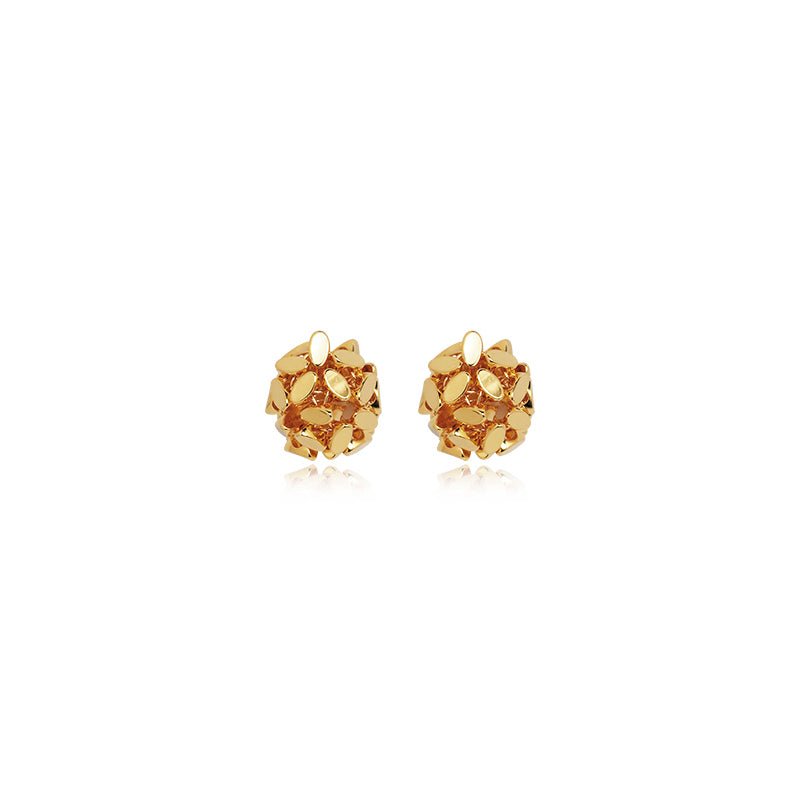
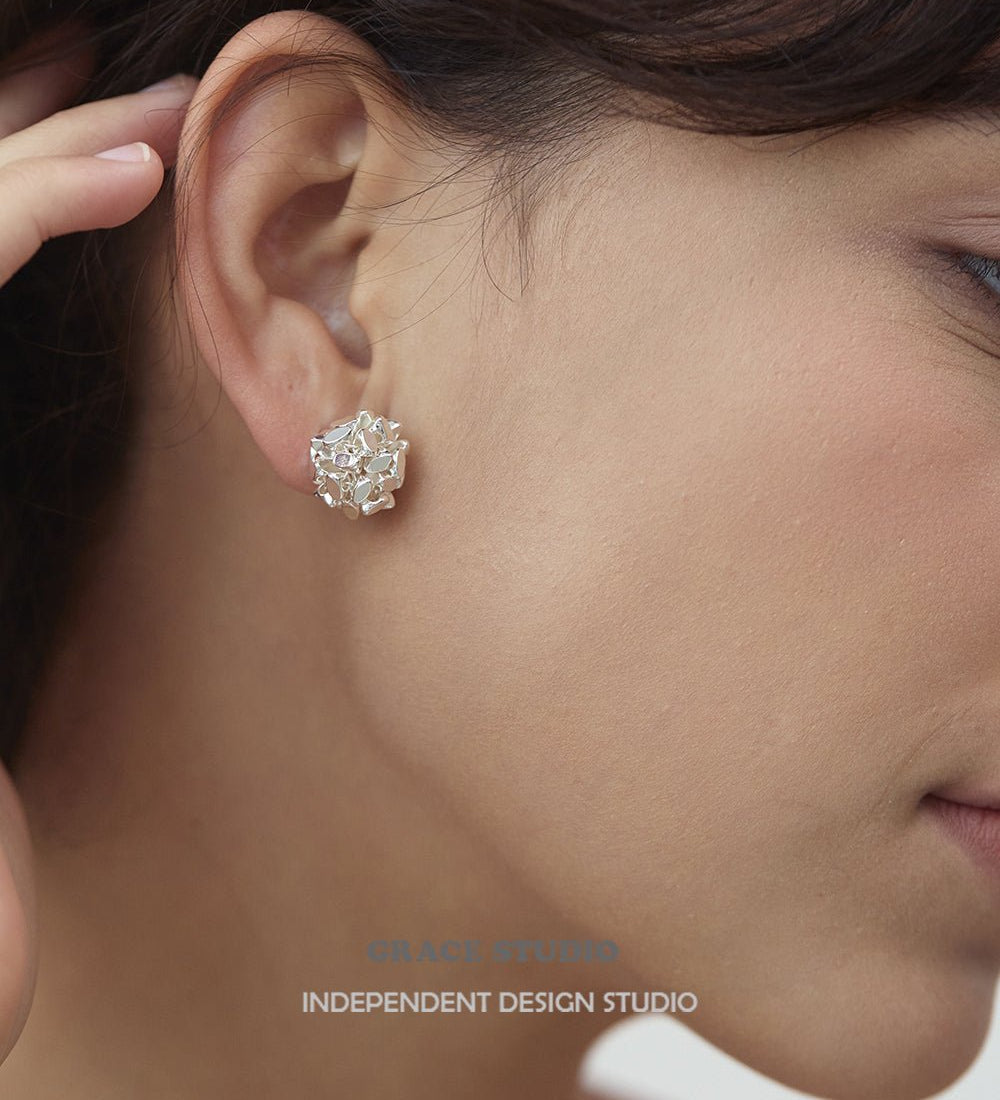
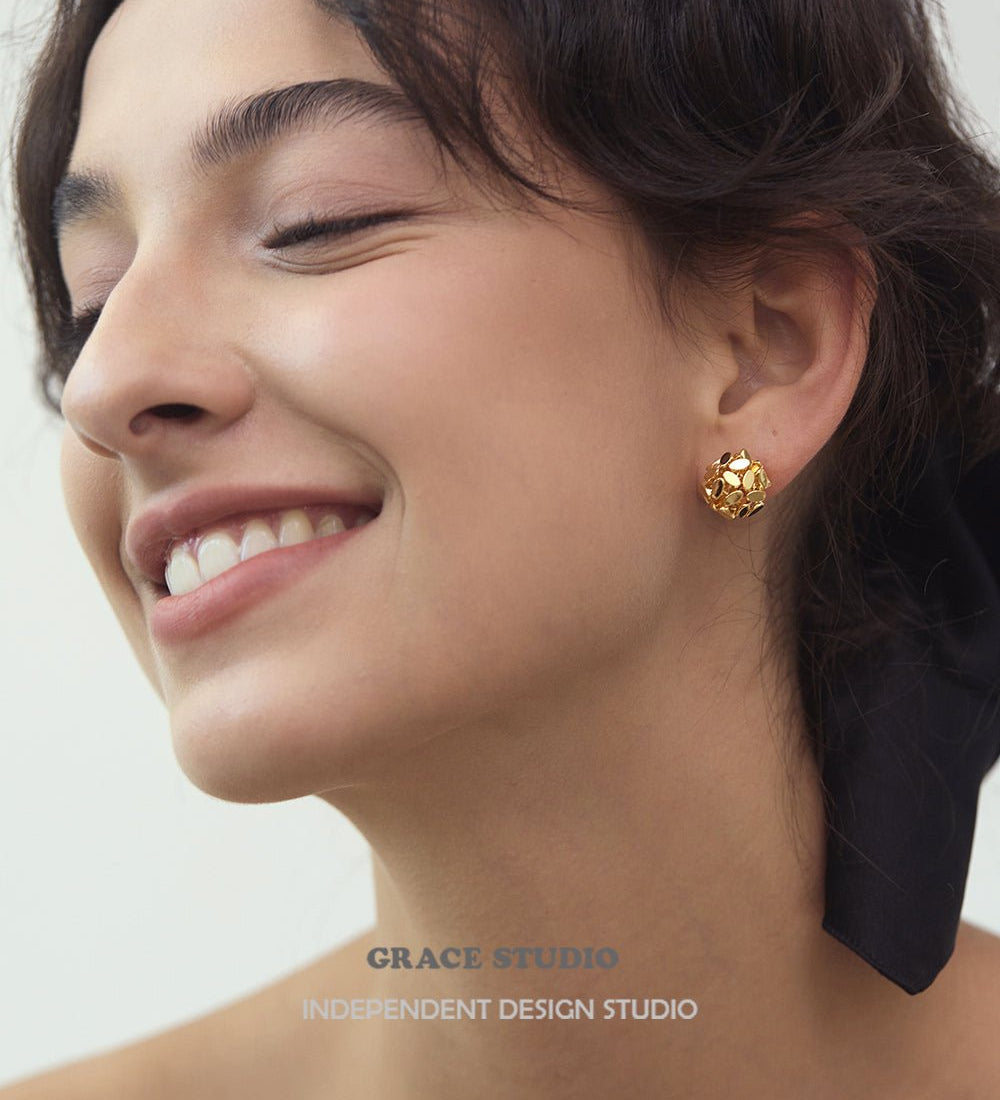
A statement piece can stand out through color, movement, contrast, texture, or shape. Sculptural jewelry can fill this role without relying on bright color or a very large size. It does not need to be large.
Choose something you would wear with at least three real outfits. If it suits only one imagined dress, it probably belongs with event jewelry.
8. One Sentimental or Signature Piece
This is where the collection becomes yours.
It might be:
- Birthstone jewelry
- An initial charm
- An heirloom
- Engraved ring
- Travel souvenir
- Meaningful symbol
- Milestone gift
Meaning can be part of the job. Still, a treasured piece that feels too fragile for regular wear may belong in the wider collection.
Make a Small Capsule Feel Less Repetitive

Different lengths, roles, and visual weight keep a small capsule varied.
Space Out Necklace Lengths
Necklaces are easier to layer when they land at separate points.
A simple set might include:
- A 16-inch short chain
- An 18-inch pendant
- A 20-to-24-inch longer necklace
Those measurements are examples. Check the spacing with your usual top. Necklaces that land together may tangle or compete with the neckline.
Use Interchangeable Pendants and Charms
One chain with several pendants creates options without several full necklaces.
You could keep:
- One plain chain
- One small charm
- One stone pendant
- One meaningful pendant
Before buying, check that the pendant opening fits over the clasp. Also make sure the chain can hold the pendant's weight without pulling or twisting.
This mismatch is easy to miss when pieces are bought separately.
Give Each Pair of Earrings a Clear Role
A useful three-pair setup might be:
- One daily pair
- One medium polished pair
- One dressier or stronger pair
The roles create variety even if all three pairs use the same metal.
If two pairs keep competing for the daily slot, ask whether another category needs the space more.
Choose Rings and Bracelets That Work Alone
A stackable piece should still look complete when worn by itself.
That gives you more combinations:
- One ring alone
- Two rings together
- One bracelet alone
- A bracelet beside a watch
Plain bands and chains can connect more detailed pieces.
Let One Piece Lead
When I wear several pieces, I choose one to lead.
Examples:
- Statement earrings, simple chain, plain ring
- Pendant, studs, bracelet
- Cuff, small earrings, no necklace
- Layered chains, huggies, simple ring
- Strong ring, fine necklace, bare wrist
This keeps several pieces from doing the same job at once.
Try the 2:1:1 Prompt
There is no universal 2:1:1 rule for jewelry, but you can use a simple version as a styling prompt:
- Wear two quiet pieces.
- Add one stronger piece.
- Leave one area bare.
For example, you might wear small hoops, a plain ring, and a strong pendant while leaving your wrists bare.
Another day, try a fine chain, slim bracelet, and sculptural earrings with no rings.
It is only a prompt. Ignore it when the outfit already feels right.
Make One Change for Evening
For evening, you may need only one change.
Try one change:
- Keep the pendant and replace studs with drops.
- Add a cuff.
- Remove the daily necklace and wear the stronger piece.
- Add a second ring.
- Layer another chain.
- Replace small hoops with sculptural earrings.
One change is often enough to make the outfit feel different.
Build the Capsule Slowly

Buying all eight pieces at once gives you a finished checklist, but little time to learn. Start smaller.
Begin With Your Three Most-Used Categories
For many people, that means everyday earrings, one necklace, and one ring or watch. Your list may be different.
Someone who rarely wears earrings should not begin there. Someone who already wears a watch every day has one category covered. Someone who changes necklaces constantly may want two lengths before adding any wrist jewelry.
Use the categories you already understand.
Wear the Starter Capsule for a Few Weeks
Give the first pieces some time.
Notice:
- What you choose often
- What feels uncomfortable
- What does not coordinate
- Which outfits still feel hard to accessorize
- Which missing piece would create the most combinations
- Which items perform the same job
The test can last a few weeks. A piece may seem perfect on day one and feel irritating by week three. Learn that before you build around it.
Add One Piece to Solve One Problem
Each new piece should have a reason.
You might add:
- A longer necklace because the current chains overlap
- A formal earring because you have nothing for events
- A silver piece because most of your hardware is silver
- A smooth ring because the current one catches on clothing
- One colored piece because the collection feels too plain
A specific reason makes the decision easier.
Spend More Where Wear Is Hardest
Frequent-wear pieces face more movement and friction. Look closely at:
- Rings
- Bracelets
- Earring posts
- Clasps
- Fine chains
- Pendant bails
Quality does not always mean the highest price. Check construction, comfort, finish, repair options, materials, and expected wear.
Cost per wear can help. An $80 pair of earrings worn 80 times costs $1 per wear. A $30 pair worn once costs $30 per wear. The cheaper item did not end up being the better value.
It is a rough calculation, but a useful one.
Choose Familiar Foundations Before Trend Pieces
Start with shapes you already wear.
“Timeless” does not have to mean traditional. It means the piece keeps working for you over time.
For one person, that may be a small hoop. For someone else, it could be a sculptural silver ring, black cord pendant, or chunky signet.
Do not buy pearl studs, diamond studs, hoops, or a tennis bracelet because another capsule guide calls them essential.
Before buying a trend-led piece, ask:
- Can I wear it with at least three outfits?
- Does it fit my routine?
- Does it add a new job?
- Would I still wear it if I saw it less often online?
Test an Unfamiliar Style Before Spending More
A style can look right in a photo and feel wrong in motion.
Before spending more, you can:
- Borrow something similar
- Try it on in a store
- Wear a lower-cost version
- Check the weight
- Test the fastening
- Try it with several outfits
- Wear it for a full day
This helps with large earrings, cuffs, cocktail rings, and long necklaces.
Sample Small Jewelry Capsules

Use these as starting points and replace any unsuitable category.
Six-Piece Starter Capsule
- Small hoops or studs
- Medium hoops
- Simple chain
- Pendant
- Everyday ring
- Bracelet or watch
This works well when you prefer a straightforward routine and do not need many dressy options.
Eight-Piece Balanced Capsule
- Everyday earrings
- Second earrings
- Simple chain
- Pendant
- Bracelet or watch
- Everyday ring
- Stronger piece
- Sentimental piece
This covers daily wear, one stronger option, and one personal piece.
Eight-Piece Necklace-Focused Capsule
- Small earrings
- Medium earrings
- Short chain
- Medium pendant
- Long necklace
- Cord or bead necklace
- Everyday ring
- Bracelet or watch
This setup suits someone who uses necklaces as the main way to change an outfit.
Eight-Piece Earring-Focused Capsule
- Studs
- Huggies
- Medium hoops
- Drop earrings
- Simple pendant
- Bracelet or watch
- Everyday ring
- Statement ring
This adds variety near the face while keeping the rest simple.
Ten-Piece Mixed-Metal Capsule
- Gold everyday earrings
- Silver everyday earrings
- Two-tone hoops
- Gold chain
- Silver or mixed-metal pendant
- Watch
- Bracelet
- Two rings
- One stronger piece
Repeated metals, finishes, and shapes help the pieces feel connected.
Small Travel Capsule
- One daily earring
- One dressier earring
- One chain
- One pendant
- One ring
- One bracelet or watch
Choose pieces that are easy to store, comfortable for long days, and hard to lose. This guide to packing jewelry for travel covers cases, separation, and carry-on storage.
I leave irreplaceable jewelry at home when traveling. The capsule should reduce worry.
Edit and Maintain the Capsule
Expect the capsule to change.
Capsule Review Scorecard
Use these questions every few months to decide what stays, moves out, or needs replacing.
| Question | Keep it when | Reconsider it when |
|---|---|---|
| Did I wear it? | It appeared regularly | It stayed untouched |
| Is it comfortable? | You forget you are wearing it | You adjust or remove it often |
| Does it add a separate job? | It creates a new outfit option | Another piece does the same thing |
| Does it fit your current routine? | It suits your real week | It suits an imagined lifestyle |
| Is the condition good? | It is secure and wearable | It needs cleaning or repair |
Review It Every Few Months
Ask:
- Which pieces did I wear?
- Which ones felt uncomfortable?
- Did two pieces keep doing the same job?
- Did any category feel missing?
- Has my routine changed?
- Did I keep choosing something outside the capsule?
A non-capsule piece may become a regular favourite. Move it in. Another may stop suiting your week. Move it out.
Remove Duplication When It Stops Adding Choice
Similar pieces can both stay when they serve different purposes.
Two small hoops may be useful if one feels casual and the other looks more polished. Five nearly identical chains may add very little.
Ask what changes when you wear one instead of the other. If the answer is “almost nothing,” you may not need both in the capsule.
Repair Before Replacing
A small repair may return a favourite piece to regular use.
Common fixes include:
- Broken clasps
- Loose stones
- Worn earring backs
- Tarnish
- Bent posts
- Damaged chains
- Loose jump rings
Ask a jeweler whether the piece can be repaired before replacing it. This overview of jewelry repair costs can help you compare repair and replacement.
Store the Capsule Where You Can See It
Visible, untangled pieces are easier to use. This guide to storing jewelry properly covers ways to reduce tangling, friction, and tarnish.
Useful storage options include the ideas below. You can also use this guide to organizing a jewelry box when arranging the full collection:
- Separate compartments
- Soft pouches
- Anti-tarnish strips
- Necklace hooks
- Travel cases
- Small trays
- Separate spaces for delicate chains
I keep the most-used pieces in one small tray. Less searching. Fewer forgotten earrings.
Let It Change With You
Your needs may shift because of:
- A new job
- A haircut
- New piercings
- Pregnancy
- Parenting
- Skin sensitivity
- Climate
- Personal style
- A meaningful gift
- A different daily routine
A capsule is a current edit.
Common Mistakes When Building a Jewelry Capsule
Copying Someone Else's Essentials
A list can give you ideas, but it should not decide the collection. A pearl necklace may be central to one wardrobe and useless in another.
Buying Everything at Once
You learn more by wearing a few pieces first.
Buying everything in one weekend can leave you with duplicates or pieces built around a life you do not have.
Choosing for an Imagined Routine
Do not build around events you rarely attend or clothes you keep planning to buy.
Choose for the week already in your calendar.
One event piece may be enough when most of your week is casual.
Buying Several Pieces With the Same Job
Three similar necklaces may not create three useful outfit options.
Look for different lengths, shapes, colors, or visual weight.
Four small hoops may look varied in photos and nearly identical once your hair is down.
Choosing Necklace Lengths Too Close Together
Chains that sit at the same point are harder to layer and may tangle.
Try the lengths together. A two-inch difference may sit very differently depending on the pendant and neckline.
Ignoring Weight and Fastenings
Comfort problems reduce wear.
Check how the piece moves, how easily it fastens, and whether it stays secure during a normal day.
A tiny clasp becomes a problem when you struggle with it every morning.
Making the Whole Capsule Too Plain
A useful capsule should still feel like you.
Add one piece with color, shape, texture, movement, or meaning. A capsule can become easy to match and dull to wear.
Adding Too Many Strong Pieces
Several statement pieces can compete for the same slot.
One or two are often enough. Keep the others outside the capsule and rotate them in when needed.
Choosing Trends You Do Not Wear in Real Life
A trend may look good on someone else and still feel wrong on you.
Wear it with your own clothes. If you adjust it all day, that tells you more than the product photo.
Treating the Capsule as Permanent
Update the capsule when your work, clothes, hairstyle, or routine changes.
Assuming Fine Jewelry Is Required
Fine jewelry, fashion jewelry, and vintage pieces can all work. Comfort, construction, maintenance, and cost per wear tell you more than a label.
Treating Jewelry as a Guaranteed Financial Investment
“Investment piece” often means worth spending more on because you will wear it often. It does not promise a higher resale value.
Buy for use, meaning, and enjoyment unless you have researched the resale market separately.
Frequently Asked Questions
What is a jewelry capsule?
A jewelry capsule is a small group of pieces chosen for repeat wear. The pieces should work with your clothes, your routine, and each other.
What does jewelry capsule mean?
It means keeping a focused collection where each piece has a clear job. The group is usually easier to combine and gets more regular use than a larger, less edited collection.
How many pieces should be in a small jewelry capsule?
Six to twelve pieces works well for many people. You can start with six and add another piece only when you can name a real gap.
What jewelry should I buy first?
Start with the categories you already wear most. For many people, that may be everyday earrings, one necklace, and one ring or watch. Your three may be different.
Which timeless jewelry pieces should I buy first?
Choose shapes you already wear often. Timeless does not need to mean traditional. It means the piece continues to suit your clothes and routine.
What is the best jewelry to collect?
The best pieces are the ones you use, enjoy, and combine easily. Many practical collections include daily pieces, one stronger choice, and one personal piece.
Is a jewelry capsule the same as minimalist jewelry?
No. A capsule describes how the collection functions. Minimalist describes its appearance. A capsule can include bold, colorful, vintage, or sculptural pieces.
Can a jewelry capsule include statement pieces?
Yes. One or two stronger pieces can change a simple outfit and keep the collection from feeling too plain.
Can I include jewelry trends?
Yes, but add them slowly. Choose trends that work with the metals, colors, shapes, and clothes already in your capsule.
Can I mix gold and silver?
Yes. Repeat both metals or use a two-tone piece to connect them. Similar finishes and shapes also help.
Do all the pieces need to match?
No. They need enough connection to work together. Shared metal, texture, shape, finish, or stone color may be enough.
Does a jewelry capsule have to be fine jewelry?
No. It can include fine jewelry, fashion jewelry, vintage pieces, or all three. Comfort, construction, and usefulness matter more than the category.
What if I never wear bracelets or rings?
Skip them. Replace those categories with another necklace, pair of earrings, brooch, watch, or anything you will use more often.
How do I build a capsule from jewelry I already own?
Sort the collection, review what you wore during the last 30 to 90 days, find the gaps, and choose a small group for your current wardrobe and routine.
How do I build a small jewelry collection?
Start with three categories you use often. Wear them for a few weeks, then add pieces slowly. Each new item should have a separate job.
What is the 2:1:1 rule for jewelry?
One simple version is to wear two quieter pieces, add one stronger piece, and leave one jewelry area bare. Use it as a prompt, not a strict rule.
How often should I update my jewelry capsule?
Review it every few months or whenever your routine, wardrobe, comfort needs, or preferences change.
How do I know whether a new piece belongs in my capsule?
Ask whether it fills a real gap, works with at least three outfits, feels comfortable for the time you plan to wear it, and adds something different from what you already own.
What should be in a travel jewelry capsule?
A compact travel set may include one daily earring, one dressier earring, one chain, one pendant, one ring, and one bracelet or watch. Leave irreplaceable pieces at home when losing them would affect the trip.
A Small Capsule Should Feel Specific to You
A good jewelry capsule does not need to look complete to anyone else.
It can lean toward earrings, mix metals, skip bracelets, and include a ring you wear because someone gave it to you. It works when the pieces suit your clothes and your week.
Start with what you already reach for. Keep pieces that solve real outfit problems, then add slowly.
You are not trying to own the correct jewelry. You are making your own jewelry easier to wear.








Leave a comment