
How Much Is Silver Jewelry? What I Look At Before Buying
Silver jewelry can be tricky to price. A thin sterling silver ring might cost $45, while a simple chain sells for $180 and a designer silver bracelet goes for $700.
I used to think the price mostly came from the silver itself. It doesn’t. The final price usually includes the silver type, weight, design, labor, brand, and sometimes stones or special finishing.
That’s why a 925 silver chain might contain around $40 to $60 worth of silver but sell for $150, $300, or more.
That does not always mean it’s overpriced. But I do like knowing what I’m paying for. So this is how I look at silver jewelry prices before buying or selling.
How Much Does Silver Worth Today?
As of today, silver price is about $76.24 per ounce and silver price per gram is about $2.45 per gram
What Affects the Price of Silver Jewelry?

Silver jewelry does not have one clean price formula. The raw silver has one value. The finished jewelry has another. Then the brand, design, labor, stones, finish, and retail markup all get added on top.
Some pieces are mostly about metal weight. Some are mostly about design. Some are mostly about the name on the box. Here’s what I usually look at first.
The Type of Silver Used
| Type | Purity | Best For |
|---|---|---|
| Sterling (925) | 92.5% | Everyday jewelry |
| Fine (999) | 99.9% | Pendants, art pieces |
| Argentium | 93.5–96% | Low-tarnish pieces |
| Silver-Plated | Trace | Style / budget buys |
Sterling Silver, or 925 Silver
Sterling silver is the silver I see most often in good-quality jewelry. It contains 92.5% pure silver and 7.5% other metals, usually copper. Pure silver is soft, so that small amount of other metal helps the piece hold its shape better. That matters for rings, chains, earrings, and bracelets you actually want to wear. You’ll usually see a small stamp such as:
- 925
- Sterling
- Ster
- 925 Italy
If a piece is marked 925, it means it is sterling silver.
Let’s say you have a 20g sterling silver chain and silver is about $2.45 per gram. The rough melt value would be:
- 20g x 0.925 x $2.45 = about $45.33
So the silver inside the chain is worth about $45.33. That does not mean the chain should sell for $45.33. It only tells you the raw silver value before the finished jewelry part comes in.
A simple 20g sterling silver chain might retail for $120 to $250. A more detailed chain, a handmade piece, or a branded piece can cost more.
Fine Silver, or 999 Silver
Fine silver is 99.9% pure silver. It has more silver by weight, but I do not see it as often in everyday jewelry. It scratches more easily. It bends more easily too.
If you find a piece stamped 999, it may have a higher raw silver value. But I would not always pick it for a ring, bracelet, or chain I plan to wear often. It can work better for pendants, art pieces, or jewelry that does not get knocked around much.
Silver-Plated Jewelry
Silver-plated jewelry is usually made from a base metal, such as brass or copper, with a thin layer of silver on top. It can still look good. I have plated pieces myself, and some are honestly useful when I want to try a style before spending more. But plated jewelry is not the same as sterling silver.
The silver layer is usually too thin to carry much raw value. If you pay $15 or $25 for a silver-plated ring, you’re paying for the look. Not the silver content.
For resale, silver-plated jewelry usually has little value unless the design, brand, or vintage appeal makes someone want it.
Argentium Silver
Argentium silver is similar to sterling silver, but it usually has more pure silver and a small amount of germanium.
People often like it because it tarnishes more slowly than regular sterling silver. It can also look a bit brighter. You may pay more for it, and that can make sense if you want silver that needs a little less care.
Still, you have to look after it. Perfume, sweat, water, and storage habits can still affect it.
Silver Weight and Market Price
Weight matters. A tiny pair of silver studs may not contain much silver at all. A thick bangle or heavy chain can contain a lot more. That’s why I like checking weight when I’m trying to understand whether a price feels fair.
Jewelers often start with the melt value. That means the value of the metal itself before design, labor, brand, or retail markup. Here’s the basic formula for sterling silver:
- Weight in grams x 0.925 x current silver price per gram = rough silver value
Example:
- A 25g sterling silver chain
- Silver price: $2.45 per gram
- 25g x 0.925 x $2.45 = about $56.66
So if that chain sells for $160, the silver itself is only part of the price. The rest comes from the chain style, labor, clasp, polish, seller markup, and brand. I don’t see that as a problem by itself. I just want to know what I’m paying for.
Typical Price Ranges for Silver Jewelry
Prices vary a lot, but these ranges give you a starting point.
| Type | Standard | Designer |
|---|---|---|
| Rings | $40–$350 | $500+ |
| Chains / Necklaces | $50–$250 | $400–$800+ |
| Earrings | $40–$250 | $250+ |
| Bracelets / Bangles | $100–$500 | $500+ |
Silver Rings
Silver rings can be affordable. They can also get expensive faster than you expect. A simple thin sterling silver band may cost around $40 to $120. If the ring has a gemstone, a sculptural shape, engraving, or handmade work, the price may move into the $120 to $350 range.
Designer silver rings can go much higher. A branded sterling silver ring with a semi-precious stone can easily reach $500 or more. This is where I’d pause.
If you love the shape, the stone setting, and the way it sits on your hand, the price may make sense. If it looks like a basic silver band with a logo inside, I’d compare it with similar unbranded pieces first.
Silver Chains and Necklaces
Chains are a little easier to compare because weight matters so much. A lightweight sterling silver chain under 10g might cost $50 to $120. A heavier chain around 20g could retail for $120 to $250, depending on the style.
Let’s use a 20g sterling silver chain again.
- Melt value: 20g x 0.925 x $2.45 = about $45.33
- Retail price: Usually around $120 to $250 for a non-designer chain
- Branded price: Possibly $400 to $800 or more
With chains, you’re paying for more than silver weight. Link style matters. A simple cable chain is usually cheaper to make than a Cuban chain, rope chain, or detailed handmade link.
Clasps matter too. So does the finish. A branded chain can cost much more even if the silver weight is the same. Sometimes that feels worth it because you love the brand or the design. Sometimes, if I’m being honest, you’re mostly paying for the name.
Silver Earrings
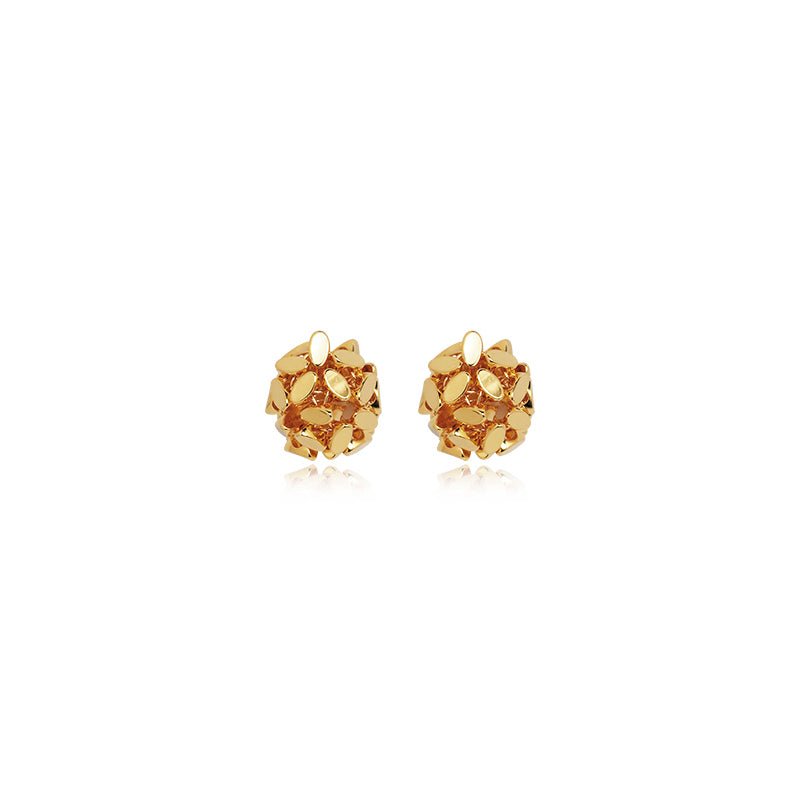
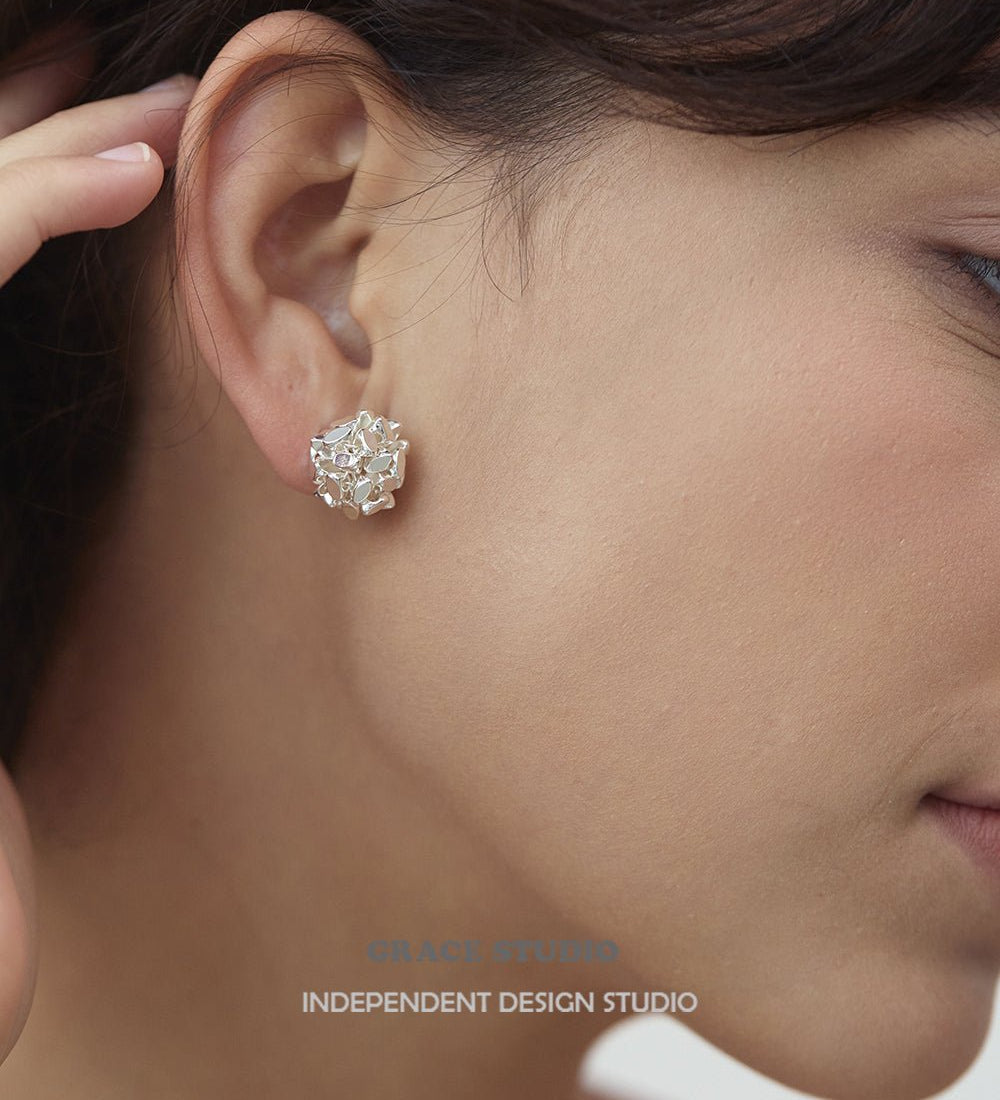
Earrings often use less silver than rings or chains, but the labor can still push the price up. Basic sterling silver studs may start around $40. Small hoops might sit around $50 to $150. More detailed drop earrings, pearl earrings, gemstone earrings, or sculptural styles can reach $150 to $250 or more.
For earrings, I care more about comfort and construction than weight. A heavy pair may contain more silver, sure. But I don’t want earrings dragging on my ears all day.
I’d look at the post material, closure, weight, and finish. If the earrings feel secure and comfortable, that matters more to me than a few extra grams of silver.
Silver Bracelets and Bangles
Silver bracelets usually cost more than small earrings because they use more metal. A simple sterling silver chain bracelet might cost $100 to $250. A heavier link bracelet may land around $250 to $350. Solid bangles often cost more because they need more silver, so $150 to $500 is common.
Custom engraving, gemstones, designer branding, and handmade details can push the price higher. If you’re buying a bangle, I’d check whether it is hollow or solid. A hollow bangle can still look chunky, but it may contain less silver than you think.
I’ve seen pieces that look heavy in photos but feel surprisingly light in hand. That’s not always bad, but I’d want the price to match.
Is Silver Jewelry Expensive?

Compared with gold and platinum, silver is usually much more affordable. People still think gold is expensive at $2,000 an ounce. It’s not $2,000 anymore. It is around $4,626.70 an ounce using the sample price in this guide. Platinum is around $2,015.30. Silver, at about $76.24 an ounce, is much easier to reach.
That is one reason I think silver works so well for everyday jewelry. You can buy a real precious metal piece without spending the kind of money you would spend on gold.
Silver is also easy to wear casually. A silver chain, hoop earring, or sculptural ring can feel polished without feeling too formal. For trend-focused pieces, silver makes sense to me. If you want to try a wide cuff, a chunky chain, or oversized earrings, sterling silver gives you that look at a much lower price than gold.
But I would not treat silver jewelry as a serious investment. It has resale value, especially if it is sterling or fine silver. Branded pieces can also sell well. But most silver jewelry will not hold value the way gold often does.
If I buy silver, I buy it because I want to wear it. That keeps the decision a lot simpler.
Silver Market Value vs. Jewelry Price
| Piece | Melt Value | Typical Retail |
|---|---|---|
| 10g stud earrings | ~$22 | $50–$120 |
| 20g chain | ~$45 | $120–$250 |
| 25g ring | ~$57 | $150–$400 |
| 30g bangle | ~$68 | $200–$500 |
This is where people get confused. Melt value and retail price are different. Melt value is the value of the silver inside the jewelry. Retail price includes all the other stuff:
- Design
- Labor
- Tools
- Stone setting
- Polishing
- Packaging
- Store markup
- Brand name
- Marketing
- Retail overhead
A ring may contain $20 worth of silver and retail for $150. That can still be reasonable if the design is original, the finish is good, and the piece is well made. But if the piece is very plain and the seller cannot tell you the weight, silver type, or material details, I’d be more careful.
Price Per Gram
If you want a rough way to compare silver pieces, calculate the price per gram. Let’s say a sterling silver chain weighs 25g and costs $150.
- $150 ÷ 25g = $6 per gram
Now compare that with another 25g chain that costs $400.
- $400 ÷ 25g = $16 per gram
The second chain may still be worth it. Maybe it has a better clasp. Maybe it’s handmade. Maybe you really love the brand. But at least now you can see the difference clearly. You’re not just guessing.
How to Estimate a Silver Jewelry Price

Here’s a simple way I’d estimate the raw silver value:
- Weigh the piece in grams.
- Check the purity mark.
- Use the current silver price per gram.
- Multiply by purity.
- Compare that number with the retail or resale price.
For sterling silver, you can calculate it that weight x 0.925 x silver price per gram = rough melt value
Example:
- 20g sterling silver chain
- Purity: 92.5%
- Silver price: about $2.45 per gram
- 20 x 0.925 x $2.45 = about $45.33
If that chain retails for $150, the raw silver is only one part of the total price. You’re also paying for the finished jewelry. I find this especially useful when shopping for heavy chains, bangles, and larger rings.
(Related article: How much does jewelry appraisal cost)
A Quick Note on “30 Pieces of Silver”
People still use the phrase “30 pieces of silver” because of the story of Judas betraying Jesus.
Historians have different estimates for the exact coin type and weight, but one common estimate puts the total around 12 troy ounces of silver. Using the example silver price of $76.24 per ounce, that would be roughly $915 in raw silver value.
The exact number is less interesting than the meaning. The phrase stuck because it became tied to betrayal and a bad trade.
Should You Sell Silver Jewelry?
Selling silver jewelry can make sense, but it depends on what you have. You may want to sell if:
- The piece is real sterling or fine silver
- It has a 925 or 999 stamp
- It is in good condition
- You do not wear it
- You have no emotional attachment to it
- It is from a brand people still search for
Branded silver can sell for more than melt value. Tiffany, Pandora, David Yurman, and similar names often attract buyers because people are paying for the design and brand, not the metal alone.
Let’s say you have a 15g Pandora bracelet. Rough melt value is 15g x 0.925 x $2.45 = about $33.99
Potential resale price is maybe $75 to $150 or more, depending on condition, style, and whether buyers are looking for that piece.
A buyer may not care that the silver value is only around $34. They may care that it is a Pandora bracelet in good shape.
How Much Should You Sell Your Silver For?

I’d start with the melt value, then adjust. Here are some questions I would ask myself:
- How much does it weigh?
- Is it sterling, fine silver, plated, or unknown?
- Is there a brand stamp?
- Is the piece damaged?
- Is the style still wearable?
- Does it have the original box or receipt?
- Are similar pieces selling online?
Pawnshops often offer less because they need room to resell. You might get 30% to 60% of resale value, depending on the shop and the piece.
You’ll usually make more by selling directly to buyers, but it takes more time. You need photos, a listing, messages, shipping, and some patience. I’d do that for a branded bracelet or a piece in good condition. For a random broken chain, maybe not. Sometimes the faster option is fine.
When to Sell Silver Jewelry
The best time to sell is usually when silver prices are high and demand is strong.
If you are selling for melt value, the spot price matters a lot. If silver drops, your payout drops too.
If you are selling a branded or stylish piece, timing works a little differently. A retired Pandora charm, a vintage Tiffany bracelet, or a popular designer ring may sell well because people want that exact piece.
For those items, condition and demand may matter more than the silver price.
Where to Sell Silver Jewelry
You can sell silver jewelry in a few places. Online marketplaces such as eBay or Etsy can work well if the piece has brand appeal or a clear style. You can often get more than a pawnshop offer, but you need to handle the listing and shipping.
Local jewelry buyers or appraisers can be useful if you want a faster sale. I’d still get more than one quote if the piece has real value.
Collectors may pay more for branded, vintage, or discontinued pieces. I’d be careful with “cash for silver” mail-in services unless they have strong reviews and clear pricing. Some are fine. Some pay far less than you expect.
How to Shop Smart for Silver Jewelry

Silver jewelry is easy to buy. Fairly priced silver jewelry takes a little more checking. Here’s what I’d look at before paying.
Look for Hallmarks
Check for stamps such as:
- 925
- Sterling
- Ster
- 999
- 925 Italy
- A maker’s mark or brand stamp
A missing stamp does not always mean fake, especially with handmade jewelry. But if the seller claims a piece is sterling silver and there is no stamp, ask for more details. If they cannot explain the material clearly, I’d probably skip it.
Compare Weight and Price
Weight gives you context. A 25g sterling silver chain has a rough melt value of about $56.66 using the example price in this guide.
If one seller offers a plain 25g chain for $150 and another offers a similar-looking chain for $400, look closely. Is the second one handmade? Is the clasp better? Is it designer? Is the finish cleaner? Or are you mostly paying for the logo?
There is no single right answer. But I’d want to know what I’m choosing.
Ask for the Price Breakdown
This is especially useful at:
- Tourist shops
- Artisan markets
- Estate sales
- Vintage stores
- Small jewelry stalls
Ask simple questions:
- How much does it weigh?
- Is it solid sterling silver or plated?
- Is it stamped 925?
- What metal is under the plating?
- Are the stones natural, lab-created, or imitation?
A good seller should be able to answer without acting annoyed. If they avoid the question or refuse to weigh a heavier piece, I’d take that as a bad sign.
Be Careful With Plated Jewelry
Silver-plated jewelry can still be worth buying if you love the design and the price is fair. But I would not pay sterling silver prices for plated jewelry.
Plating can wear off, especially on rings and bracelets because they rub against skin, bags, desks, and clothing. Necklaces and earrings usually last longer because they take less friction. If you’re buying plated jewelry, I’d treat it as a style purchase, not a silver purchase.
What You’re Really Paying For
When you buy silver jewelry, you’re usually paying for a mix of:
- The silver content
- The weight
- The design
- The labor
- The finish
- The stones or pearls
- The brand
- The store markup
When you sell silver jewelry, buyers usually look at:
- Raw silver value
- Brand name
- Condition
- Style
- Demand
- Completeness, such as box, pouch, or receipt
Silver jewelry can be a smart buy if you know what you’re looking at. It gives you real metal, everyday wearability, and more room to experiment with shape and style.
But I would not treat most silver jewelry as an investment. Buy it because you’ll wear it. Sell it because it no longer fits your style or because the resale price makes sense.
Infographic

Check out our best selling jewelry products:









Leave a comment