
How Much Is Gold Plating? What I’d Want to Know Before Paying for It
Gold plating prices can vary more than you might expect.
A simple ring may cost around $30 to $75, while necklaces, bracelets, and watches often run higher, especially if the piece needs polishing or thicker plating. For many small items, I’d expect quotes around $30 to $150.
I’d treat any listed price as a starting point, not a final answer. Before paying, ask three things: what base metal the piece has, how thick the gold layer will be, and whether polishing is included. That last detail can change the quote fast.
| Item | Typical Range | Notes |
|---|---|---|
| Earrings | $25 – $60 | Less friction, holds up well |
| Ring | $30 – $75 | High wear — ask about microns |
| Necklace / Chain | $50 – $150 | Confirm clasp is included |
| Bracelet | $50 – $150 | Consider thicker plating |
| Watch | $100 – $300+ | Most complex job |
Quick Pricing Note
Prices here were checked in May 2026 using public pricing examples from plating and jewelry repair shops. I’d still get a direct quote before making a decision.
Gold prices move. Shop rates vary. A smooth pendant and a scratched-up everyday ring are not the same job. If your page has a live gold chart, I’d keep it live rather than writing one fixed gold price into the article. Gold price sites like GoldPrice.org and Kitco show live spot charts because the market changes throughout the trading day.
What Gold Plating Actually Means
Gold plating means a thin layer of gold sits over another metal. Most professional shops use electroplating. The piece gets cleaned, placed in a plating solution, and connected to an electrical current. That current helps the gold attach to the surface.
You’ll often see gold plating over:
- Brass
- Copper
- Stainless steel
- Nickel
- Sterling silver
The base metal matters. So does the condition of the piece.
If your necklace is smooth and clean, the job may be pretty straightforward. If your ring has scratches, old plating coming off, or tarnish in tiny grooves, the shop may need to prep it first.
Prep can change the quote. Annoying, but fair.
Related video
(Related article: How gold plating is done)
Why I’d Consider Gold Plating
I’d consider gold plating when I already like the piece.
Maybe the necklace sits just right, but you don’t wear silver anymore. Maybe your favorite hoops have faded. Maybe your watch still works, but the gold tone has rubbed off around the clasp.
In that case, plating can make the piece feel wearable again.
I also like plating as a low-pressure way to try a look. Maybe you want a chunky gold chain, but you’re not ready to spend solid gold money. A plated piece lets you test it first.
Still, I wouldn’t treat plated jewelry like solid gold.
Gold plating is a surface finish. It can fade. It can scratch. Rings and bracelets usually wear faster because they touch everything: counters, bags, sinks, soap, lotion, hand sanitizer.
So I’d go in with realistic expectations. Pretty, yes. Permanent, no.
What Gold Plating Costs by Item
There’s no universal price list. But these ranges should help you get your bearings.
Rings
A simple ring often costs around $30 to $75 to plate.
A plain band is usually easier. A ring with stones, engraving, deep grooves, or heavy scratches may cost more.
Rings also have a rough life. You wash your hands. You grab your keys. You put on lotion. You tap your ring against your desk without thinking.
If I wanted to plate a ring I’d wear often, I’d ask for the thickness in microns. I would not pick the cheapest quote without knowing what I was getting.
Earrings
Small earrings may cost around $25 to $60.
Studs are usually simple. Hoops can cost more because there’s more surface area. Hinges and tiny posts can make things a little trickier.
Earrings are one of the pieces I’d feel better about plating. They don’t rub against surfaces all day, so they may hold up better than a ring or bracelet.
Necklaces and Chains
Necklaces often fall somewhere around $50 to $150.
A delicate chain may cost less than a thick rope chain or chunky link necklace. More links mean more small surfaces to clean and plate.
Tiny thing I’d ask: is the clasp included?
It usually is. Still worth asking.
Bracelets
Bracelets often cost around $50 to $150.
They get more friction than necklaces. Sleeves, desks, bags, watch bands, other bracelets. All of it adds wear.
If I really liked a bracelet and planned to wear it often, I’d consider thicker plating. A thin layer might look good at first and fade too soon.
Watches
Watches often cost around $100 to $300 or more.
A watch is more work than a pendant. The shop may need to take parts apart, protect the crystal, avoid the movement, polish the case, and plate the bracelet separately.
This is where I’d pause.
If the watch has personal value or would cost a lot to replace, replating could make sense. If it’s a low-cost watch you don’t feel attached to, I’d compare the quote with buying a new one.
What Changes the Price

When a quote seems high or suspiciously low, I’d look at these things.
Surface area
A tiny pendant needs less coverage than a wide cuff. A slim ring needs less work than a watch bracelet.
More surface area usually means more time, more solution, and a higher quote.
Thickness
Thickness matters. A lot.
Gold plating is measured in microns. One micron is tiny, but the difference between thin plating and heavier plating can decide how long the finish lasts.
A simple way I’d think about it:
- Very thin plating: lower cost, better for pieces you barely wear.
- Standard plating: decent for jewelry you rotate.
- Heavy plating: costs more, usually better for pieces you wear often.
| Thickness | Best For | Expected Wear |
|---|---|---|
| 0.175 – 0.5 µm | Occasional / decorative pieces | A few months |
| 0.5 – 1.0 µm | Earrings, pendants, necklaces | 6 – 18 months |
| 1.0 – 2.5 µm | Rings, bracelets, daily wear | 1 – 2+ years |
| 2.5 µm+ (heavy) | Watches, heirlooms, vermeil | 2 – 5 years |
FTC materials tie “gold plate” or “gold electroplate” language to a minimum thickness of 0.175 microns and a minimum fineness of 10k. Heavy gold electroplate uses a 2.5 micron minimum in those materials.
If a shop can tell you the thickness in microns, good. If they can’t, I’d be more careful.
Karat
Karat affects color, cost, and wear.
- 10k: less gold content, softer yellow tone.
- 14k: common for everyday jewelry.
- 18k: warmer yellow.
- 24k: very yellow, but softer.
I wouldn’t automatically pick 24k.
It can look beautiful, especially if you want that deeper yellow color. But for rings and bracelets, I’d ask about 14k or 18k too. They may make more sense for regular wear.
Condition
A smooth pendant is one thing. A scratched ring with old plating coming off is another.
The shop may need to:
- Clean it
- Polish it
- Remove old plating
- Smooth scratches
- Add an underlayer
- Protect stones or moving parts
That extra work can raise the price.
Not fun to hear when you thought you had a simple job. But it’s better than paying for plating that doesn’t stick well.
Labor
Gold plating still takes careful hands.
Someone has to inspect the piece, prep it, plate it, rinse it, check the finish, and fix uneven areas if needed.
A plain band is simple. A vintage watch with links, corners, screws, and worn edges is not.
I’d rather pay for proper prep than get something shiny for two weeks and disappointing after that.
Is 24k Gold Plating Worth It?

Sometimes. Depends on the piece.
24k plating has a strong yellow gold look. I’d consider it for earrings, pendants, decorative pieces, or jewelry I don’t wear hard.
For rings, bracelets, and watches, I’d be more cautious. Those pieces get more friction, and 24k gold is softer.
If color matters most, 24k may be the one. If wear matters more, I’d compare 14k, 18k, and 24k before choosing.
Ask to see samples if the shop has them. In person, the difference can be obvious.
How Long Gold Plating Lasts
This is where I’d keep expectations loose.
Gold plating can last a few months, a year, or several years. It depends on the thickness, the piece, and how you wear it.
A rough guide:
- Very thin plating may last a few months with regular wear.
- Standard plating may last around 6 to 18 months.
- Heavier plating can last 2 years or longer with careful use.
I’d treat those as estimates.
A plated ring worn every day will fade faster than plated earrings worn twice a month. A necklace stored in its own pouch has a better chance than a bracelet tossed into a tray with other jewelry.
Your habits matter here. Maybe more than the quote.
Can You Shower With Gold-Plated Jewelry?
I wouldn’t.
One shower may not ruin it. But water, soap, shampoo, steam, chlorine, sweat, perfume, lotion, and hand sanitizer can all wear down plating over time.
My rule would be simple: plated jewelry goes on last and comes off first.
Put it on after lotion and perfume. Take it off before showering, swimming, cleaning, working out, or sleeping.
Especially rings. Rings take the most abuse.
Gold Plated vs. Solid Gold

Gold-plated jewelry has a layer of gold over another metal. Solid gold has gold throughout the piece.
They can look similar when new. They do not age the same way.
Gold plating costs much less. It’s good when you want the color of gold, want to refresh a piece, or want to try a style without spending too much.
Solid gold costs more, but the color is not a surface layer. It can scratch or dent, depending on karat, but it won’t fade the way plating can. It also has resale value because the gold content runs through the piece.
I’d choose gold plating for occasional jewelry, trend pieces, or sentimental items that need a refresh.
I’d choose solid gold for pieces I want to wear every day for years. A wedding band. A simple chain. Earrings I rarely take off.
Gold Plated vs. Vermeil vs. Gold-Filled
| Type | Base Metal | Best For |
|---|---|---|
| Gold Plated | Any (brass, copper, steel…) | Trend pieces, occasional wear |
| Vermeil | Sterling silver only | Better quality plated look |
| Gold-Filled | Brass (bonded layer) | Regular wear on a budget |
| Solid Gold | Gold throughout | Daily wear, long-term value |
These terms get mixed up a lot.
Gold plated
Gold plated means a layer of gold sits over another metal. The base could be brass, copper, stainless steel, sterling silver, or something else.
It’s usually the lowest-cost option. It can look great. The gold layer may be thin, though.
Vermeil
Vermeil usually means gold over sterling silver.
FTC materials describe vermeil as sterling silver coated or plated on all major surfaces with gold or gold alloy of at least 10k, with a minimum thickness of 2.5 microns.
If a brand says “vermeil,” I’d ask:
- Is the base sterling silver?
- How thick is the gold layer?
- What karat is the gold?
If they can’t answer, I’d be cautious.
Gold-filled
Gold-filled jewelry has a thicker layer of gold bonded to a base metal with heat and pressure.
It usually lasts longer than basic plating and costs less than solid gold. If you want something for regular wear but don’t want solid gold pricing, gold-filled can be a nice middle option.
How I’d sort it:
- Gold plated: lower cost, better for occasional wear.
- Vermeil: sterling silver base, thicker gold layer.
- Gold-filled: better for regular wear than standard plating.
- Solid gold: best for long-term daily wear, if the price works for you.
DIY Gold Plating Kits: Would I Try One?

Maybe. For fun.
I would not start with anything sentimental.
DIY gold plating kits can work for small projects, costume jewelry, or practice pieces. Most kits include plating solution, a wand or pen, cleaning supplies, and a power source.
The price range is wider than I first expected. Some hobby kits cost a few hundred dollars. Larger setups and higher gold-content solutions can cost much more. Gold Plating Services notes that solution pricing depends heavily on the actual fine-gold content, so two similar-looking bottles may not have the same value.
DIY also has a learning curve. If the piece is not cleaned well, the finish can come out uneven or fade quickly.
An old costume ring? Sure.
Your grandmother’s necklace? I’d go to a pro.
When I’d Use a Professional
I’d use a professional for anything I care about.
That includes:
- Heirloom jewelry
- Wedding jewelry
- Designer pieces
- Watches
- Jewelry with stones
- Anything expensive to replace
- Anything with personal meaning
A good shop can usually give you better prep, smoother coverage, and more control over thickness.
Before approving the work, I’d ask:
- What karat gold will you use?
- How thick will the plating be in microns?
- Is polishing included?
- Do you need to remove old plating first?
- Can this base metal be plated well?
- Do the stones or moving parts need protection?
- How long would you expect it to last with the way I wear jewelry?
- Do you offer any touch-up period?
The micron question is the one I care about most.
A $45 quote and a $95 quote may not be the same service. One may include a thinner layer and basic cleaning. The other may include polishing and heavier plating.
I’d rather know before handing over the piece.
When to Replate Jewelry
You may want to replate when the color starts fading or the base metal starts showing.
Common signs:
- The gold looks dull after cleaning.
- The edges look silver, gray, or coppery.
- A ring leaves marks on your finger.
- The finish looks patchy.
- Scratches have cut through the gold layer.
For pieces you wear often, replating every 12 to 24 months is a reasonable expectation. Rings may need it sooner. Earrings and necklaces may last longer.
I wouldn’t replate everything automatically, though.
I’d ask myself: do I still wear this? Do I like how it looks on me? Would I miss it?
If yes, replating may be worth it.
Replating Costs
Replating usually costs about the same as plating, unless the piece needs extra prep.
A realistic starting range:
- Small ring or earrings: $30 to $75
- Pendant or chain: $50 to $150
- Bracelet: $50 to $150
- Watch: $100 to $300 or more
Public shop pricing varies. Artisan Plating lists many 1.0 micron yellow gold jewelry plating services under $100, while heavier 2.5 micron plating adds 35% on many listed items.
Your quote may rise if the piece needs polishing, scratch removal, thicker plating, 24k gold, stone protection, or extra prep.
If you’re asking online, send clear photos. Front, back, clasp, worn spots, markings. All of it helps.
How I’d Make Gold Plating Last Longer
I’d treat plated jewelry gently. Especially rings and bracelets.
Take it off before:
- Showering
- Swimming
- Working out
- Cleaning
- Applying lotion
- Using perfume
- Sleeping
- Washing dishes
After wearing it, wipe it with a soft cloth. Don’t scrub. Don’t use toothpaste, baking soda, or harsh jewelry cleaner.
Store each piece separately. A soft pouch works. A lined jewelry box works too.
And rotate your pieces. A plated ring worn every day will fade faster than one worn once or twice a week.
A little boring. But it helps.
Is Gold Plating Worth It?
It can be.
I’d consider it worth it when the piece already works for you. It fits. You like the shape. You wear it. You only want the finish to look better.
Gold plating can make sense for:
- Earrings you wear often but don’t sleep in.
- A necklace you’d wear more in yellow gold.
- A watch you still like.
- A silver piece that needs a warmer tone.
- A trend piece you don’t want in solid gold.
I’d be less excited about plating:
- A cheap ring with no personal meaning.
- Jewelry you never take off.
- A bracelet you plan to wear in water.
- A piece with deep damage.
- Anything you expect to last like solid gold.
For example, I probably wouldn’t spend $75 to plate a $20 ring I barely wear.
But I might spend $100 to replate a necklace that fits perfectly and has been sitting unworn because the color faded.
That feels different.
A Few Real Examples
A faded ring
You have a ring that faded after a year. The shop quotes $55 for standard plating and $95 for thicker plating.
If you wear it every day, I’d lean toward thicker plating. I’d also ask myself whether solid gold would make more sense long term.
If you wear it a few times a month, standard plating may be enough.
A watch with worn edges
Your watch still works, but the gold tone has rubbed off around the clasp and case. The quote is $220 because the shop needs to polish it, protect parts, and plate the bracelet and case.
I’d consider it if the watch fits well or has sentimental value.
If replacing the watch costs less and you don’t feel attached to it, I’d probably skip the plating.
A sterling silver necklace
You have a sterling silver necklace that you’d wear more if it were yellow gold. The shop quotes $90 for 18k plating.
This is one of the plating scenarios I like most. Necklaces usually get less friction than rings and bracelets, so the finish may hold up better with normal care.
FAQ
Is gold plating expensive?
It depends on the item. Small pieces can be pretty reasonable compared with solid gold. A simple ring may cost around $30 to $75. Bracelets, necklaces, and watches often cost more.
Ask what the quote includes. Polishing, thicker plating, and repairs can change the final price.
How much is gold plating per gram?
Most customers get quoted by item, not by gram. The amount of gold matters, but labor and prep often drive the final cost. Surface area, thickness, karat, scratches, old plating, and polishing can all affect the quote.
Is 24k gold plating more expensive?
Usually, yes. 24k has more gold content and a stronger yellow color. It’s also softer, so I wouldn’t automatically choose it for a ring or bracelet. For regular wear, I’d compare 14k, 18k, and 24k before deciding.
How long does gold plating last?
It depends on thickness and wear. Thin plating may last a few months with regular use. Standard plating may last around 6 to 18 months. Heavier plating can last 2 years or longer with careful wear. Those are estimates. Not promises.
Can you shower with gold-plated jewelry?
I wouldn’t. Water, soap, steam, chlorine, and shampoo can wear down the plating. If you want the finish to last, take it off first.
Where can I find gold plating near me?
Search for local jewelers, jewelry repair shops, watch repair shops, or metal finishing studios. Try:
- “gold plating near me”
- “jewelry replating”
- “watch gold plating”
- “gold electroplating service”
Before booking, ask about karat, thickness, prep, polishing, and whether they’ve worked on your type of item before.
Are gold plating cost calculators useful?
They can help with a rough number. I wouldn’t rely on one completely. Photos and in-person inspection matter because scratches, old plating, stones, and base metal can change the quote.
Infographic

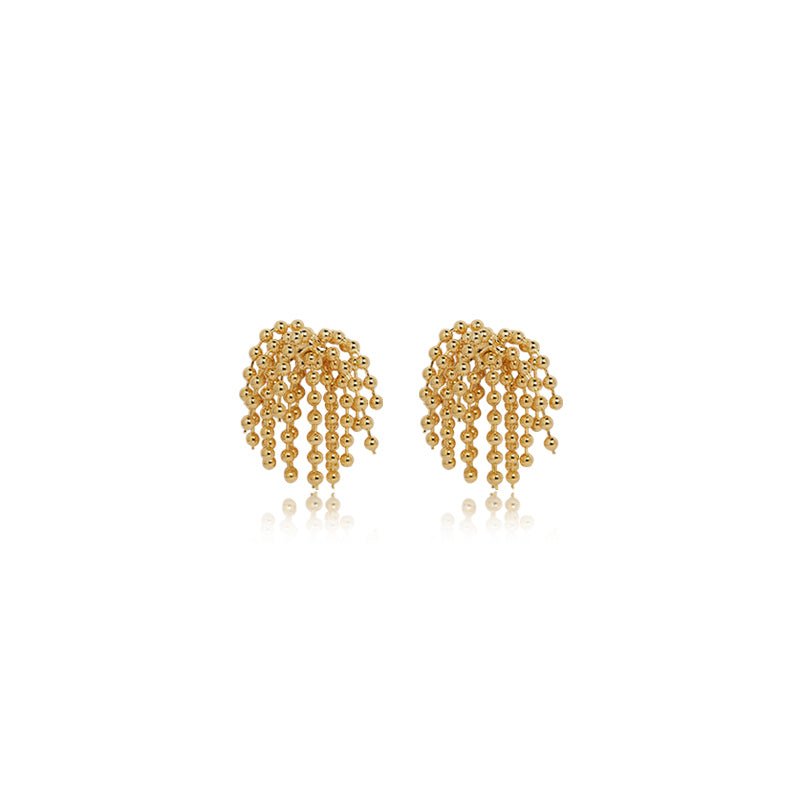
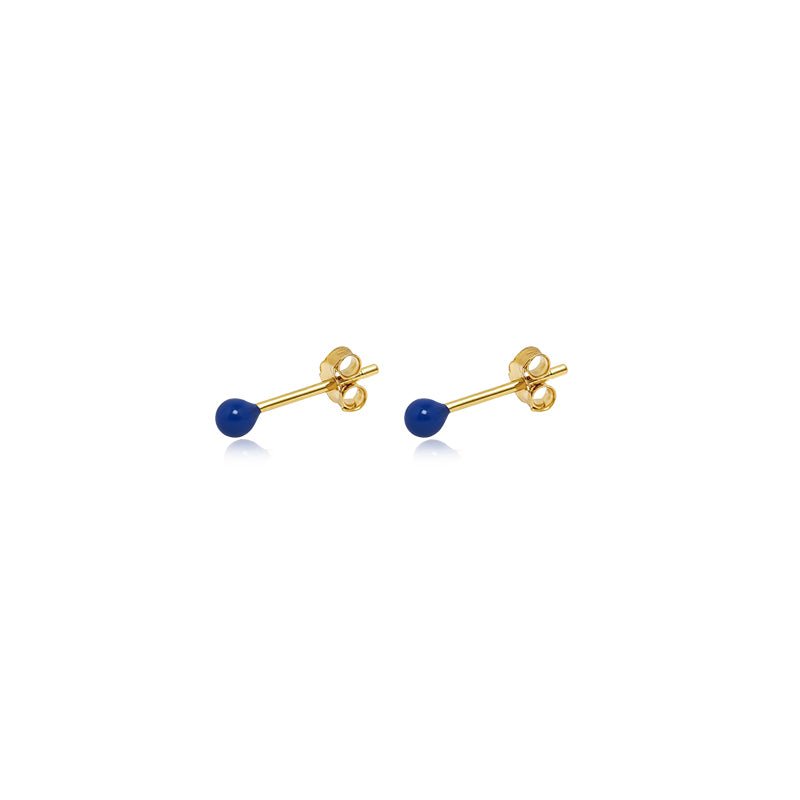
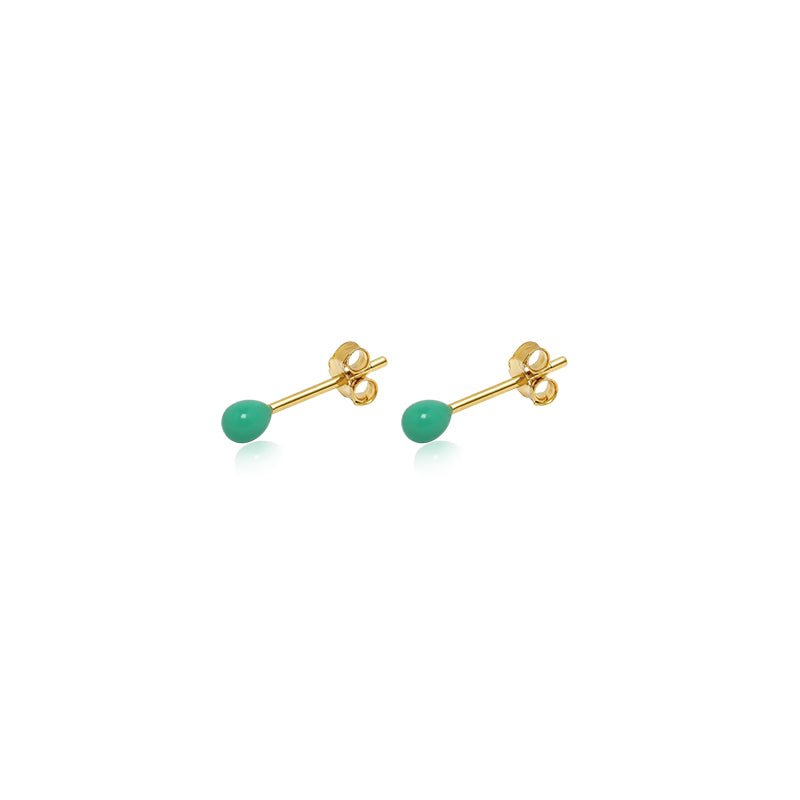
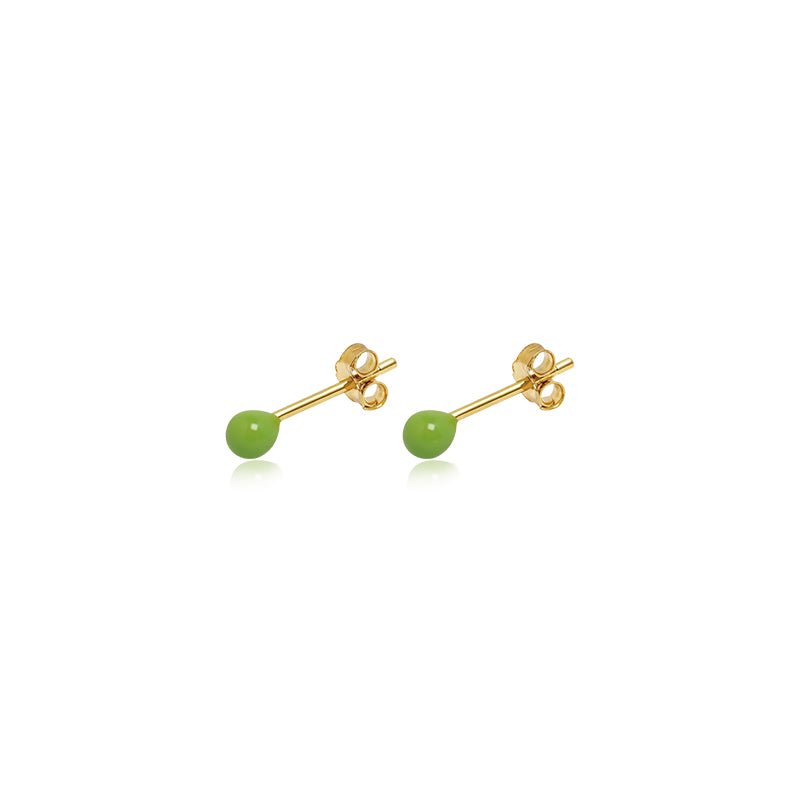
Check out our best selling jewelry products:








Leave a comment