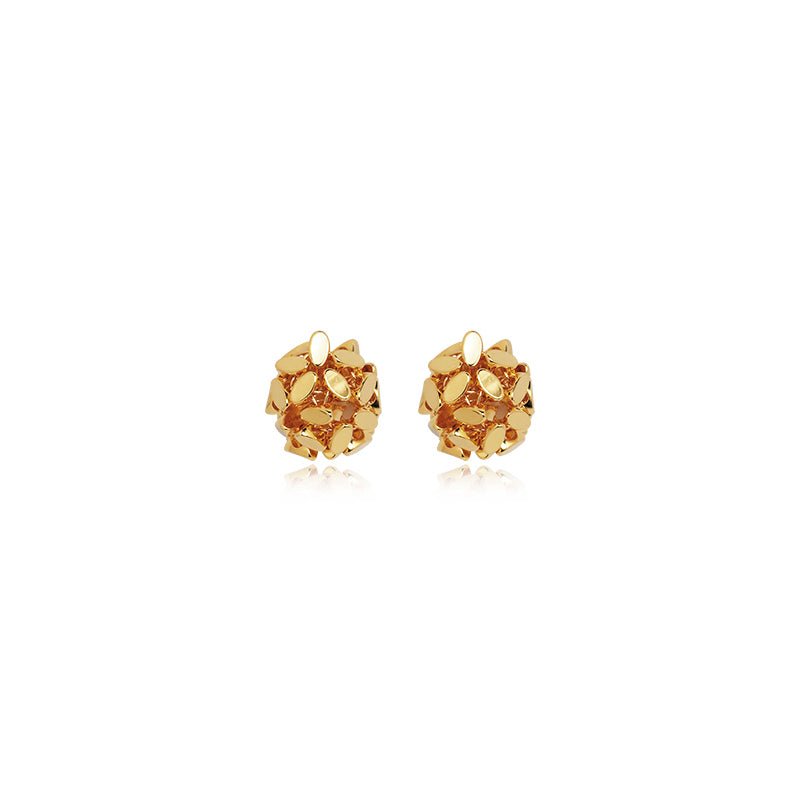
Inspect the jewelry first
The piece is checked before any plating starts. The plater looks at the base metal, old plating, tarnish, scratches, solder joints, stones, and areas that may need masking.
Gold plating is not just dipping jewelry into a gold-colored liquid. The piece needs to be checked, cleaned, polished, activated, plated, rinsed, dried, and inspected. Each step affects how smooth, even, and long-lasting the final gold finish looks.
The piece is checked before any plating starts. The plater looks at the base metal, old plating, tarnish, scratches, solder joints, stones, and areas that may need masking.
Polishing removes light oxidation, old residue, and small surface marks. This step helps the gold layer look smoother once it is deposited.
After polishing, jewelry can still hold oils, wax, polishing compound, and tiny debris. Ultrasonic cleaning or electrocleaning helps remove residue from small details and crevices.
The jewelry is rinsed after cleaning, often with deionized or distilled water. This removes detergent, alkaline cleaner, and loose particles before the piece goes into the next bath.
Activation prepares the surface chemically. A mild acid dip or activation bath can remove microscopic oxides and make the surface more ready to accept the next metal layer.
Some jewelry gets an undercoat before the gold. This may be nickel, palladium, or another suitable layer depending on the base metal and the finish needed.
The piece is placed into a gold plating bath and connected to an electric current. Gold ions move through the solution and deposit onto the jewelry surface. Time, current, temperature, and bath chemistry affect the final thickness and color.
After plating, the piece is rinsed again, dried carefully, and polished lightly. The final check looks at color, shine, coverage, edge areas, and overall consistency.
For small jewelry pieces, gold plating often costs around $20 to $75, but it can be more if the piece needs polishing, repair, stone protection, or thicker plating. I’d expect rings, chains, and detailed pieces to cost more than simple charms or earrings. Learn more here.
Gold plating means a thin layer of gold is added over another metal. The inside is usually a base metal, sterling silver, stainless steel, brass, or copper. The gold is only on the surface, so it can wear down over time. The FTC describes gold electroplate as gold applied to a base metal through an electrolytic process.
It depends on thickness, base metal, and how often you wear it. Thin plating may fade in a few months with regular wear. Better plating can last 1 to 3 years, sometimes longer if you keep it dry and avoid perfume, sweat, and friction. Rings and bracelets usually wear faster than necklaces.
Yes, you can, but I wouldn’t try it on valuable jewelry. Home gold plating kits usually need plating solution, a power source, and a plating wand or electrode. The surface also has to be very clean, or the gold may not bond well. You’ll also need good ventilation and careful handling.
In simple terms: don’t call something gold-plated unless the gold layer is real and described honestly. In the U.S., FTC jewelry guidance says gold electroplate should use gold or gold alloy of at least 10 karat and meet minimum thickness and durability standards. “Heavy gold electroplate” needs a thicker layer, about 2.5 microns of fine gold equivalent.